U.S. Central Command Says Iran's Strait of Hormuz Threat Has Been Degraded
Three weeks into the U.S.-Iran war, CENTCOM declared Iran's capacity to threaten the Strait of Hormuz "degraded" as Washington sent 2,200 more Marines to the region.
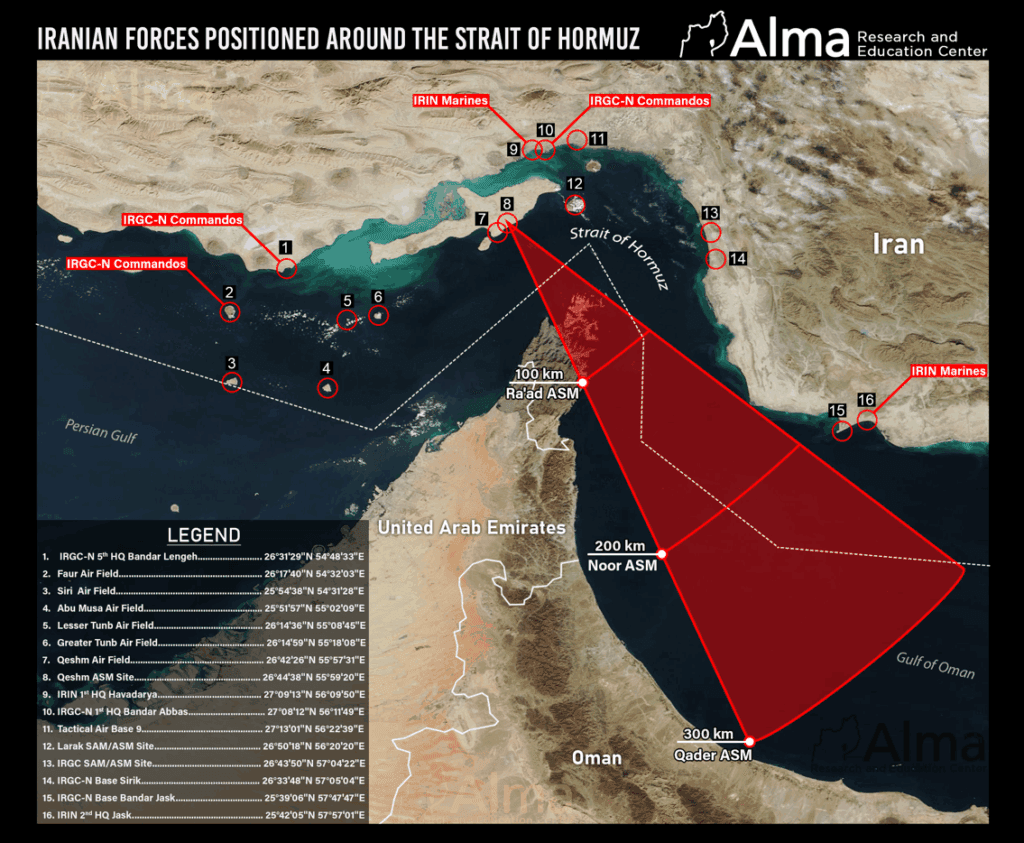
U.S. Central Command declared that Iran's ability to threaten the Strait of Hormuz has been "degraded," a significant operational assessment delivered as the conflict between the United States and Iran reached the three-week mark and Washington moved to deepen its military presence in the region.
About 2,200 additional U.S. Marines and three more warships are headed toward the region, two U.S. officials said, a buildup that signals the administration is preparing for a prolonged engagement even as it claims military momentum. The Strait of Hormuz, the narrow chokepoint through which roughly 20 percent of the world's traded oil passes, has been a central point of strategic tension since the conflict began.
The human cost of the fighting is mounting. A U.S. Central Command spokesperson said 232 American service members have been injured since the war started. Of those, 207 have returned to duty and 10 are seriously wounded.
The conflict also claimed one of the military's most advanced aircraft. An F-35 was forced to make an emergency landing after flying a combat mission over Iran, Central Command confirmed. U.S. military officials said the jet landed at an undisclosed American air base in the Middle East and that the pilot was in stable condition.
The scope of the war extended beyond Iran's borders. A Reuters photograph dated March 19 showed smoke rising from an oil refinery in Haifa, Israel, damaged in an Iranian attack, a vivid illustration of the conflict's regional reach.
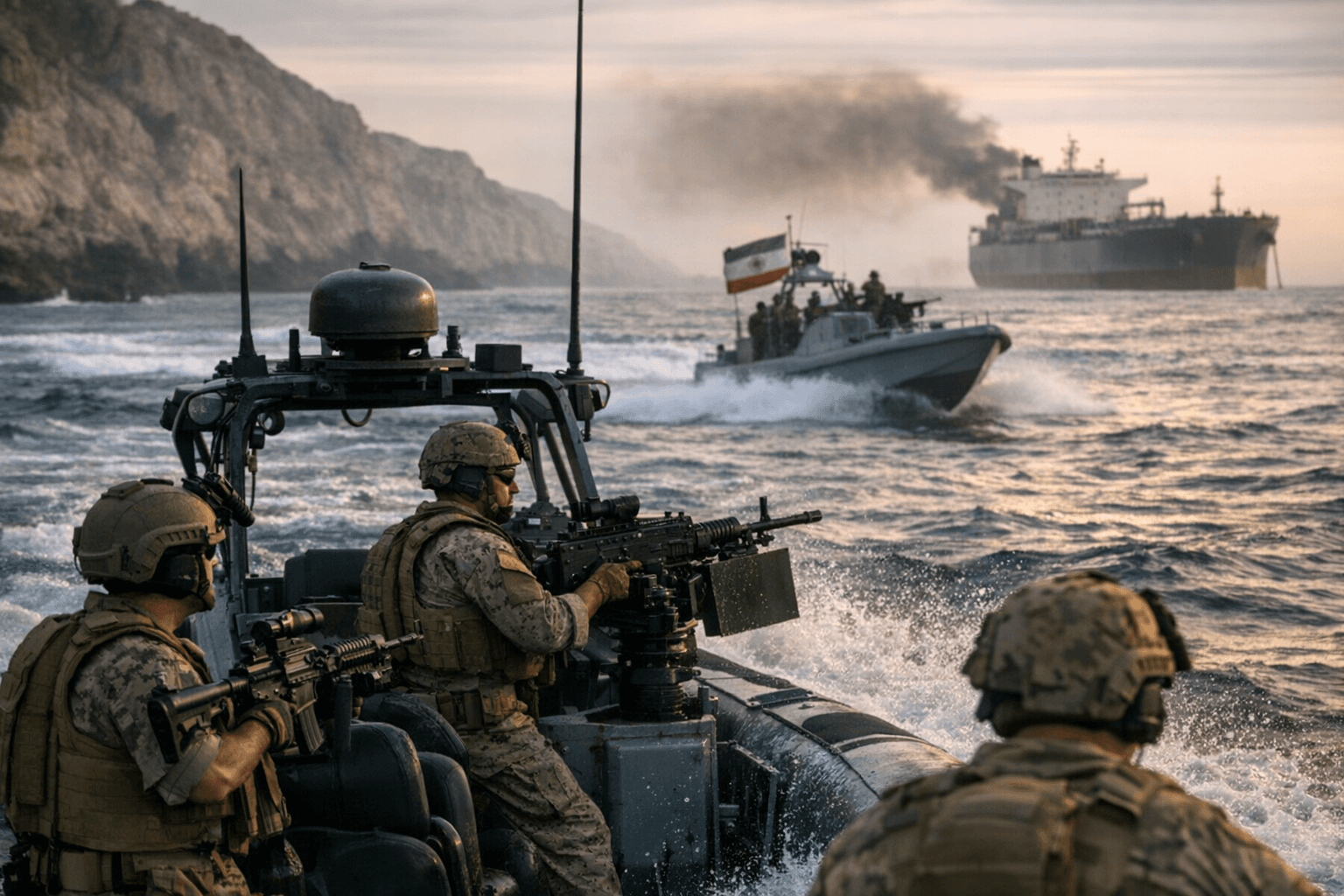
Now, according to a report citing four sources with knowledge of the issue, the administration is considering plans to blockade or occupy Kharg Island, Iran's primary oil export terminal located roughly 20 miles off the country's northern Gulf coast. The island has served as Iran's main conduit for oil exports for decades; if its loading facilities were destroyed, Iran's ability to export oil would collapse almost immediately.
A White House official neither confirmed nor denied the report, saying President Trump "has no plans to send troops anywhere, but he wisely does not broadcast his military strategy to the media, and he retains all options as Commander-in-Chief." The carefully worded non-denial left open the possibility that economic strangulation of Iran's oil sector remains an active option.
The war has also raised alarm about American citizens held in Iranian custody. During a panel discussion on "Face the Nation with Margaret Brennan," a speaker described detained Americans as "the easiest-to-grab punching bag right now in the hands of that rogue regime." Namazi, whose surname alone was provided in available accounts, offered a stark assessment of the risks facing hostages and wrongfully detained citizens: "I think this is a dangerous time. For a hostage or wrongfully detained citizen abroad, their biggest fear is to be forgotten, and this is a very dangerous time for them, with all that's going on in Washington's mind."
The combination of CENTCOM's degraded-threat assessment, fresh troop deployments, a downed advanced fighter jet, and deliberations over Kharg Island suggests a conflict that, despite tactical U.S. gains, remains far from resolved. A move against Kharg Island would represent a dramatic economic escalation with consequences for global oil markets that would extend well beyond the Persian Gulf.
This article was produced by Prism’s automated news system from verified source data, official records, and press releases, then run through automated quality and moderation checks before publishing. The system is built and supervised by the people who set the standards it runs under. Read our full AI policy.
Did this article answer your question?

