U.S. charges shipping giants, Chinese executives in container price cartel case
U.S. prosecutors said a cartel of seven Chinese executives and four container giants inflated box prices during the pandemic. The alleged scheme touched about $35 billion in trade.

Federal prosecutors charged seven Chinese executives and four of the world’s largest shipping container manufacturers with conspiring to restrict supply and push up prices on the standard dry containers that move most of the world’s goods. The Justice Department said the alleged scheme ran from as early as November 2019 to at least January 2024, a period when pandemic disruptions had already strained ports, factories and retailers.
The department said the conduct affected nearly all of the world’s standard unrefrigerated shipping containers and roughly doubled container prices between 2019 and 2021. It also said the manufacturers’ profits rose by about 100 times during the COVID-19 pandemic and global supply-chain crisis, an extraordinary gain in a market that sits at the center of global freight costs. Because container rates feed into the price of imported goods, factory inputs and inventory movement, the case reaches far beyond the shipping industry.
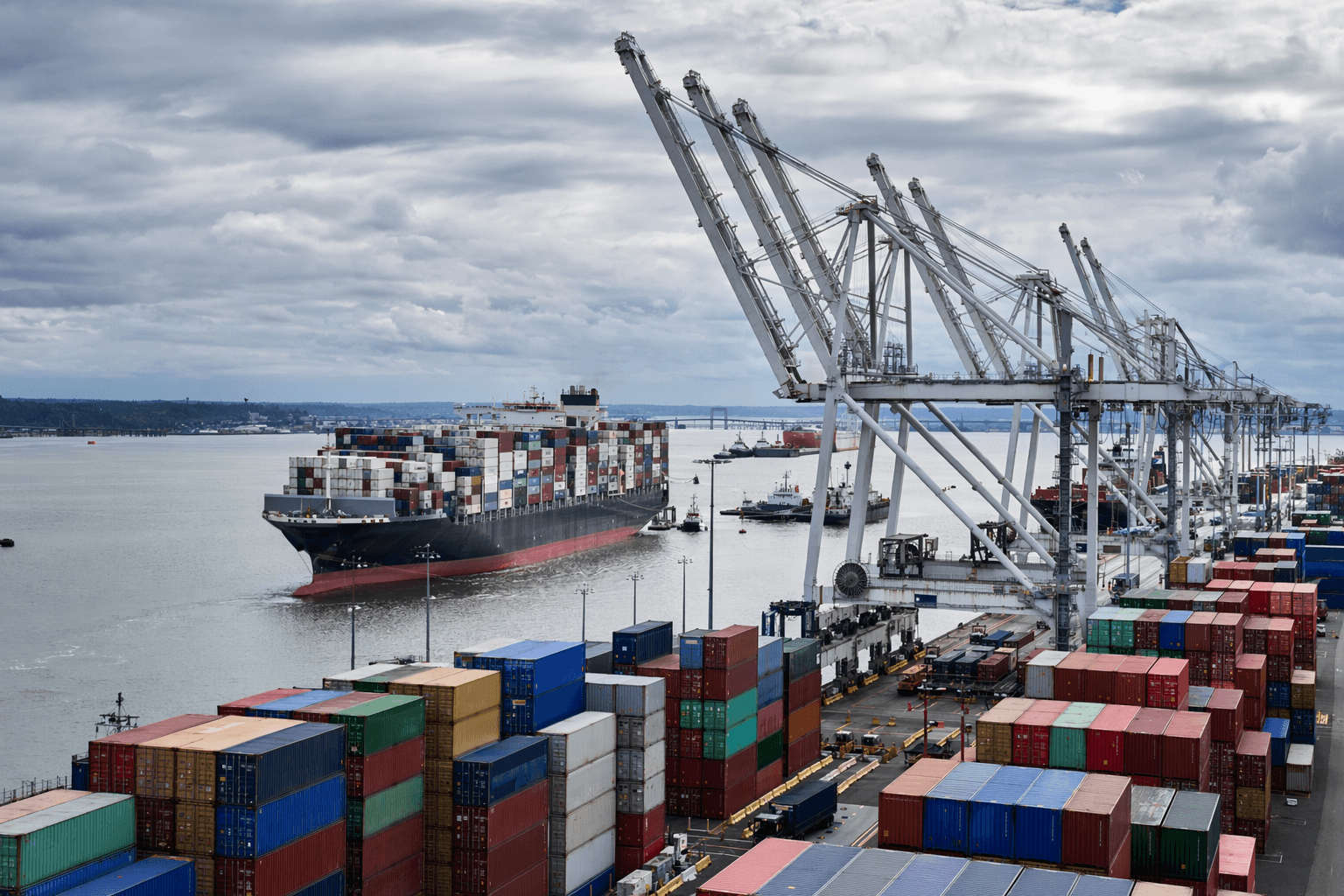
Acting Assistant Attorney General Omeed A. Assefi said the alleged conduct involved about $35 billion in global commerce and that the indictment charged one count of violating Section 1 of the Sherman Antitrust Act. He also said six Chinese companies together account for 95 percent of the most common standard container market, underscoring how concentrated the business is and why a few suppliers can exert outsized influence on prices. The Justice Department identified Singamas Container Holdings Ltd., China International Marine Containers (Group) Co., Ltd., known as CIMC, and Shanghai Universal Logistics Equipment Co., Ltd., which does business as Dong Fang International Containers, among the defendants.
One defendant, Vick Nam Hing Ma, also known as Vick Ma, was arrested in France on April 14 and is awaiting extradition to the United States. Six other executive defendants remain at large. The case has been filed in the Northern District of California, and the Justice Department said personnel from the FBI, the GSA Office of Inspector General and the U.S. Postal Service Office of Inspector General took part in the announcement.
The timing gives the case added political and economic weight. It came just after President Donald Trump’s official visit to China last week produced no major breakthrough on trade, keeping U.S.-China tensions and supply-chain dependence in sharp focus. For importers, manufacturers and retailers that still remember the inflation shock of the pandemic years, the indictment is a reminder that a market as obscure as shipping containers can ripple quickly into freight bills, store shelves and the prices American consumers pay.
This article was produced by Prism’s automated news system from verified source data, official records, and press releases, then run through automated quality and moderation checks before publishing. The system is built and supervised by the people who set the standards it runs under. Read our full AI policy.
Did this article answer your question?

