U.S. Congress OKs $6 billion boost for global HIV response
UN agencies welcomed congressional approval of roughly $5.88 billion to bolster global HIV programs and sustain lifesaving services worldwide.
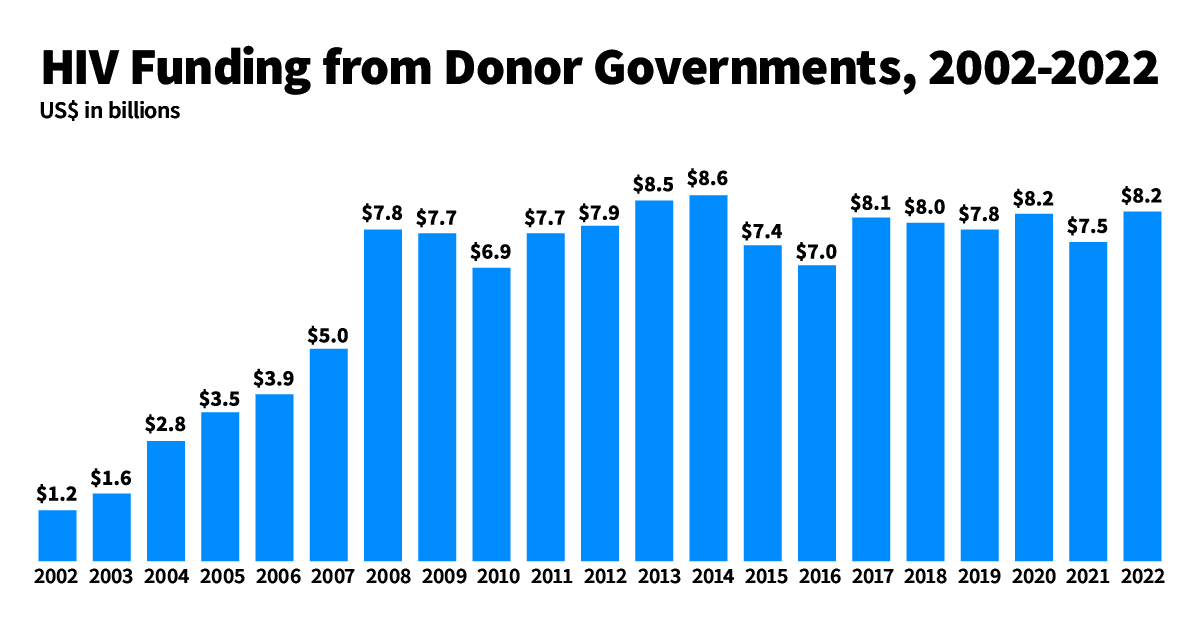
The United Nations Joint Programme on HIV/AIDS and other UN agencies welcomed a U.S. congressional approval that clears roughly $5.88 billion in spending to support global HIV programs, a package commonly reported as $6 billion. The measure, approved on Feb. 5, 2026, is intended to shore up international efforts to prevent new infections, expand treatment and support community-based services.
The legislation earmarks approximately $4.6 billion for core HIV work, with the remainder allocated to related global health priorities and program support. UN officials said the infusion arrives at a critical moment for the pandemic response, as countries struggle to maintain progress amid competing budget pressures and the lingering health system strains from recent public health crises.
The funding is expected to sustain antiretroviral therapy for people living with HIV, support prevention services, and reinforce supply chains and laboratory capacity in low- and middle-income countries. UN agencies stressed that steady financing is crucial to avoid treatment interruptions that can lead to drug resistance and worse clinical outcomes. Donor commitments of this scale also underpin procurement of medicines and diagnostics through pooled global mechanisms and bilateral partnerships.
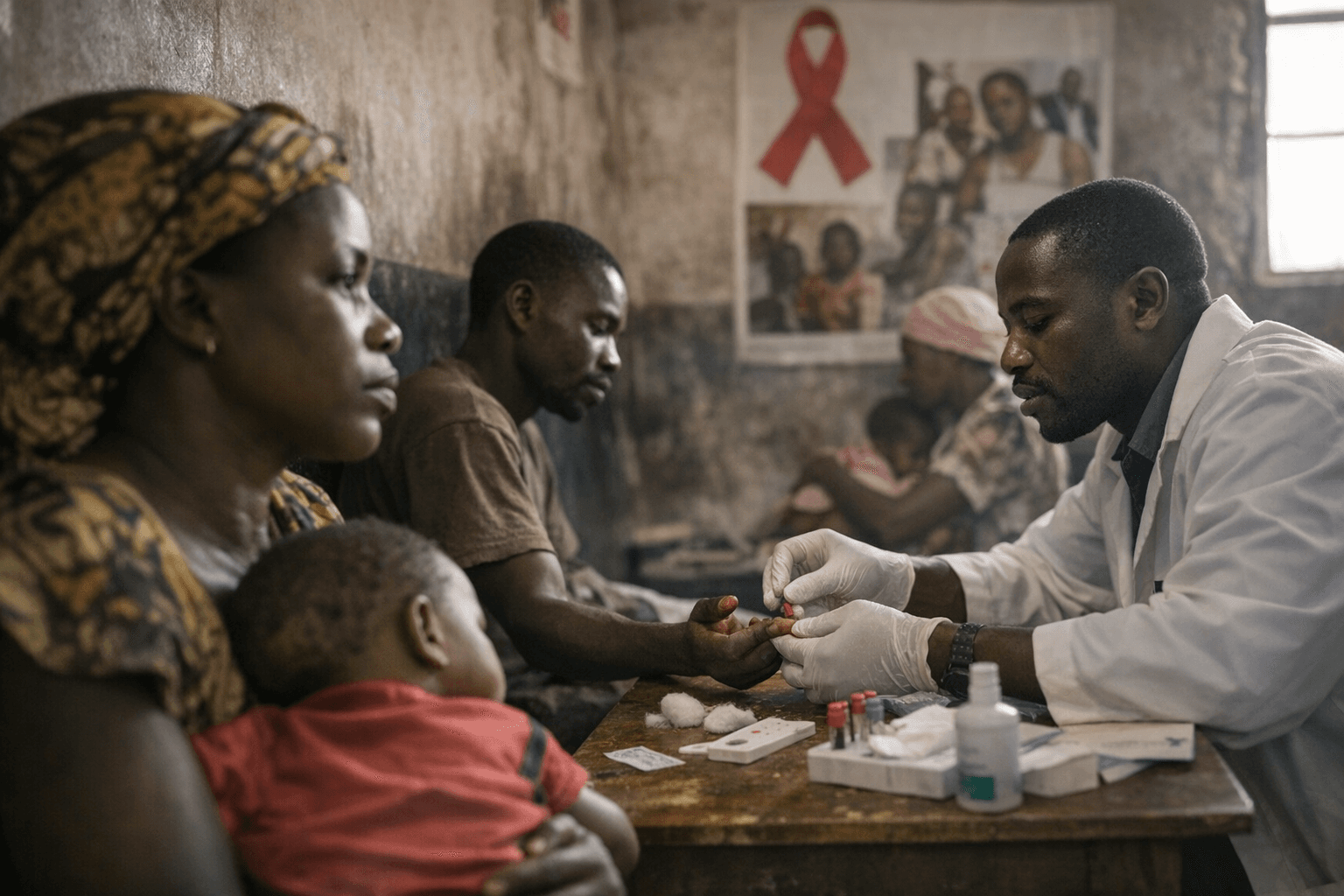
Beyond immediate service delivery, the package is likely to back community-led organizations that provide testing, peer support and outreach to key populations who remain underserved. International health experts and advocates have repeatedly argued that community-driven programs are essential to reach people who face stigma, criminalization or geographic isolation. Sustained U.S. funding, UN agencies noted, helps preserve these networks and the workforce that delivers care at the local level.
Implementation will fall to U.S. agencies and partner governments and organizations that channel the funds into established programs and partnerships. The effectiveness of the new appropriation will depend on timely disbursement, transparent monitoring, and coordination with multilateral initiatives and national HIV strategies. UN agencies called for accountability measures and data-driven allocation to ensure that the money reaches the most urgent gaps and populations at highest risk.
Analysts said the approval signals continued U.S. engagement in the HIV response after years of shifting geopolitical and fiscal priorities. For countries that rely heavily on external support, the congressional action offers a measure of predictability as they plan national budgets and service delivery for the coming year.
Long-term goals for HIV control include reducing new infections, expanding treatment coverage and integrating HIV services into resilient health systems. UN agencies framed the U.S. decision as a practical step toward those objectives, while underscoring that sustained international cooperation and domestic investment remain essential to translate funding into durable public health gains.
For millions of people living with HIV and for prevention efforts worldwide, the congressional package represents a renewed infusion of resources at a pivotal time. How effectively those resources are deployed will determine whether the global response regains momentum and avoids backsliding in hard-won gains against the epidemic.
This article was produced by Prism’s automated news system from verified source data, official records, and press releases, then run through automated quality and moderation checks before publishing. The system is built and supervised by the people who set the standards it runs under. Read our full AI policy.
Did this article answer your question?