U.S. debt tops economic output, deficits set to keep climbing
Federal debt has now outgrown the economy, and CBO sees deficits widening to $3.1 trillion by 2036 as interest costs keep rising.
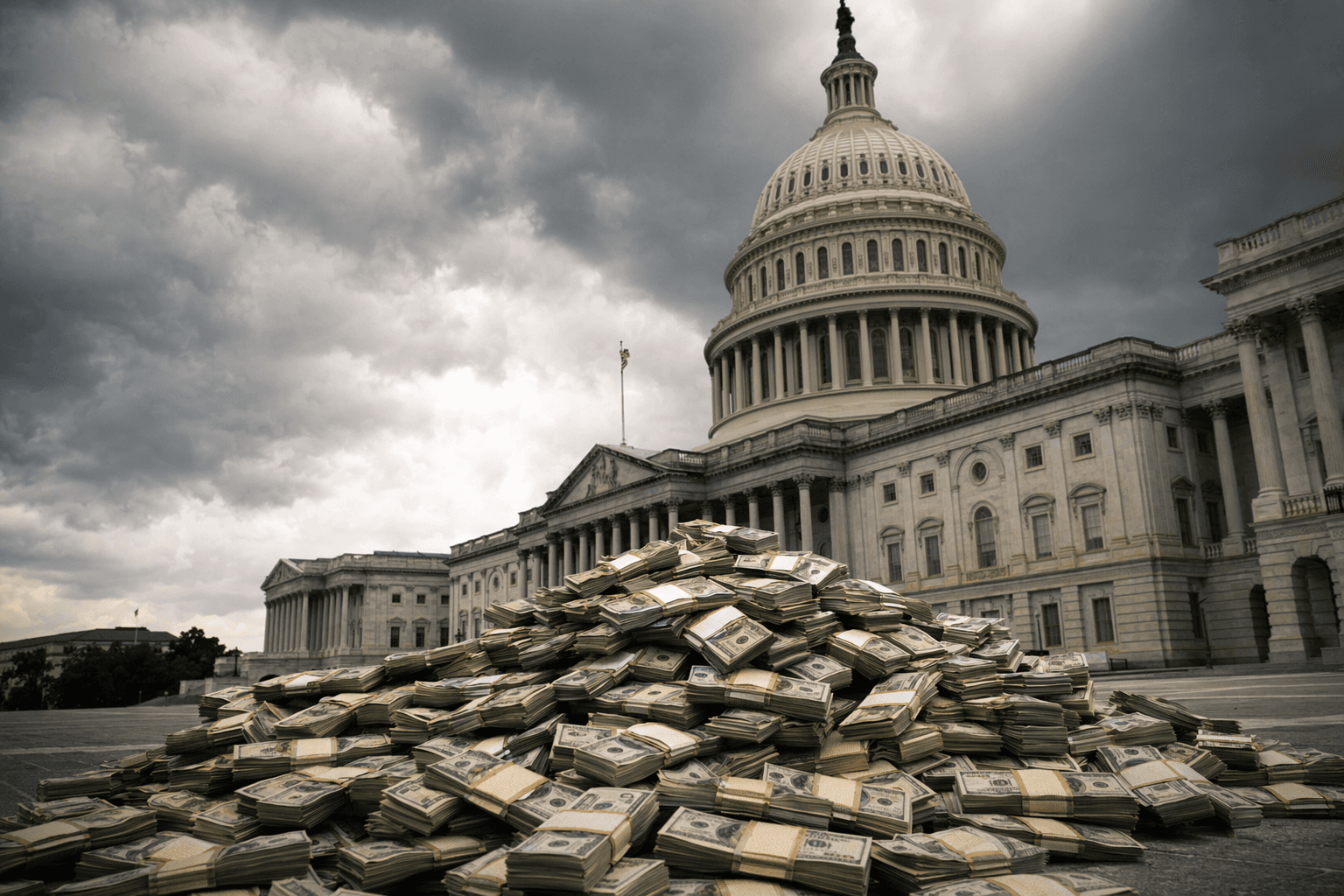
Federal debt has now outgrown the economy, turning a long-running warning into a hard fiscal milestone for Washington. Treasury’s Debt to the Penny data showed total public debt outstanding at $38.91 trillion on May 5, and debt held by the public at $31.26 trillion, meaning the government’s marketable borrowing had climbed above the size of annual economic output in late April.
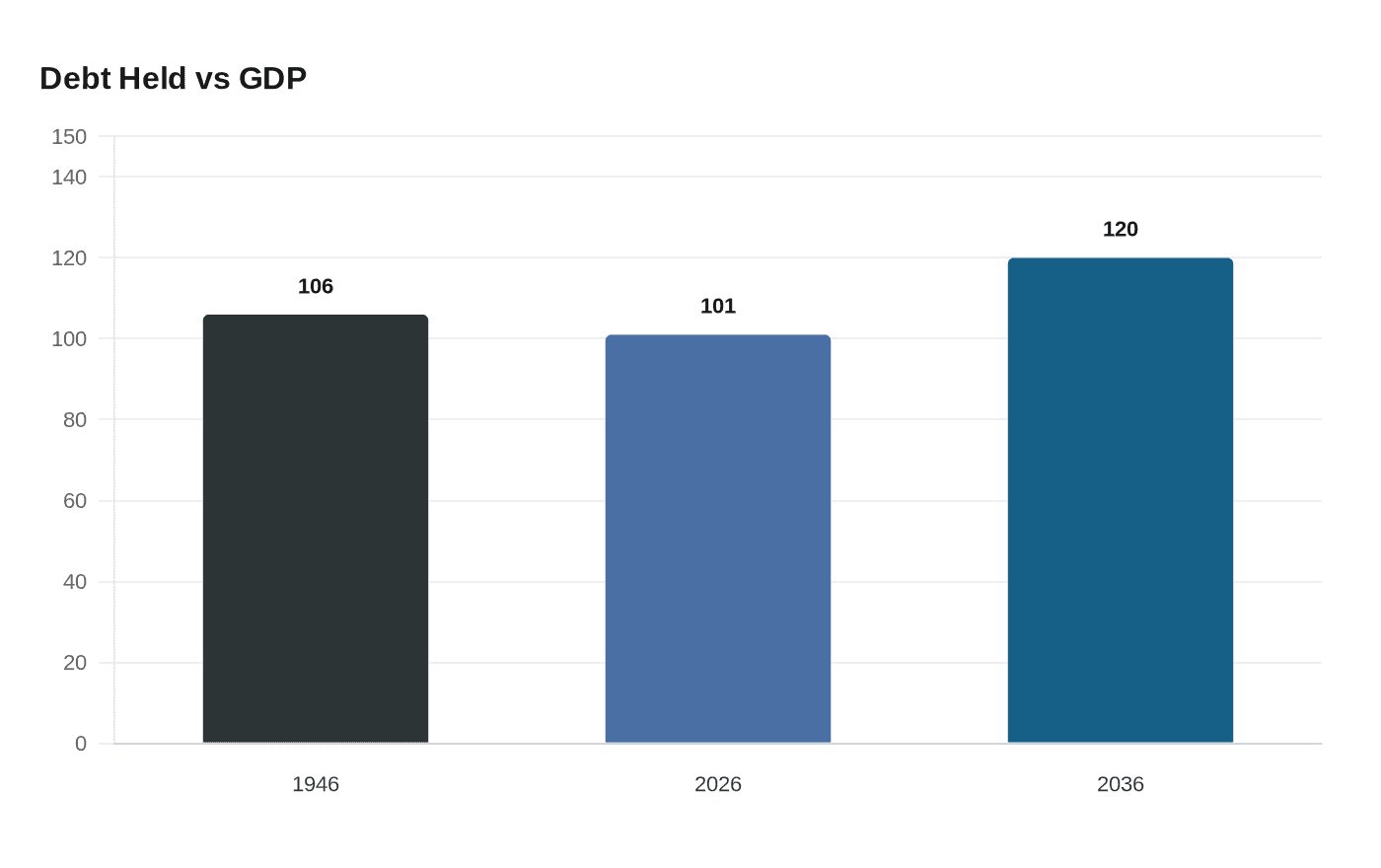
The Congressional Budget Office’s latest outlook points to a debt path that keeps getting steeper. It projected that debt held by the public would rise from 101 percent of gross domestic product in 2026 to 120 percent in 2036, topping the previous post-World War II high of 106 percent, reached in 1946. The deficit, which CBO said would total $1.9 trillion in fiscal 2026, is projected to reach $3.1 trillion by 2036. Over the past 50 years, deficits averaged 3.8 percent of GDP; CBO sees them at 5.8 percent of GDP in 2026 and 6.7 percent in 2036. Rising net interest costs remain a major driver, and CBO’s director has said debt in 2030 is projected to exceed the 1946 record.
That trajectory gives Donald Trump’s fiscal agenda sharper consequences. A tax-cut and spending bill tied to Trump would avert the near-term risk of default, but analysts have said it would worsen the country’s long-term debt problem by adding to borrowing now and leaving a larger interest burden later. The timing matters: higher debt today means more of tomorrow’s budget is already spoken for before Congress writes a single new law.
Jonathan Burks, executive vice president of economic and health policy at the Bipartisan Policy Center, said large deficits are unprecedented for a growing, peacetime economy. That is the political bind facing the next administration. Each additional dollar spent on interest is a dollar not available for taxes, defense or social programs, and the longer the debt load keeps rising, the narrower the room for maneuver becomes.
For policymakers in Washington, the milestone is not symbolic. It is a sign that the federal government is borrowing at a scale that could lift financing costs, force tougher budget choices and leave fewer options when the next crisis arrives.
This article was produced by Prism’s automated news system from verified source data, official records, and press releases, then run through automated quality and moderation checks before publishing. The system is built and supervised by the people who set the standards it runs under. Read our full AI policy.
Did this article answer your question?
%3Amax_bytes(150000)%3Astrip_icc()%2FCertificate-of-deposit-2301f2164ceb4e91b100cb92aa6f868a.jpg&w=1920&q=75)