U.S. delays chip tariffs, weighs duties to boost domestic production
Washington is holding off on new chip tariffs for now, but Greer said duties remain a live option as U.S. producers cover only about 10% of demand.

The Trump administration is not moving immediately to impose new semiconductor tariffs, but it is keeping the threat alive as part of a broader push to rebuild U.S. chipmaking. U.S. Trade Representative Jamieson Greer said at Micron Technology’s expansion event in the Washington, D.C. suburbs that any duties under the government’s national-security review would have to be timed and sized carefully, with the goal of supporting domestic production rather than jolting companies still trying to reshore capacity. He said the United States currently makes only about 10% of the chips it needs, a gap that helps explain why semiconductors remain at the center of industrial and trade policy.
Greer’s comments landed against the backdrop of a January 14 proclamation from President Donald J. Trump that invoked Section 232 on semiconductors, semiconductor manufacturing equipment and derivative products. The White House said the Commerce Department had concluded those imports threatened national security and that domestic capacity was insufficient to meet demand. That action created a tariff framework for certain semiconductor imports beginning January 15, and Greer’s remarks suggested the administration is calibrating its next move rather than abandoning the protectionist path.
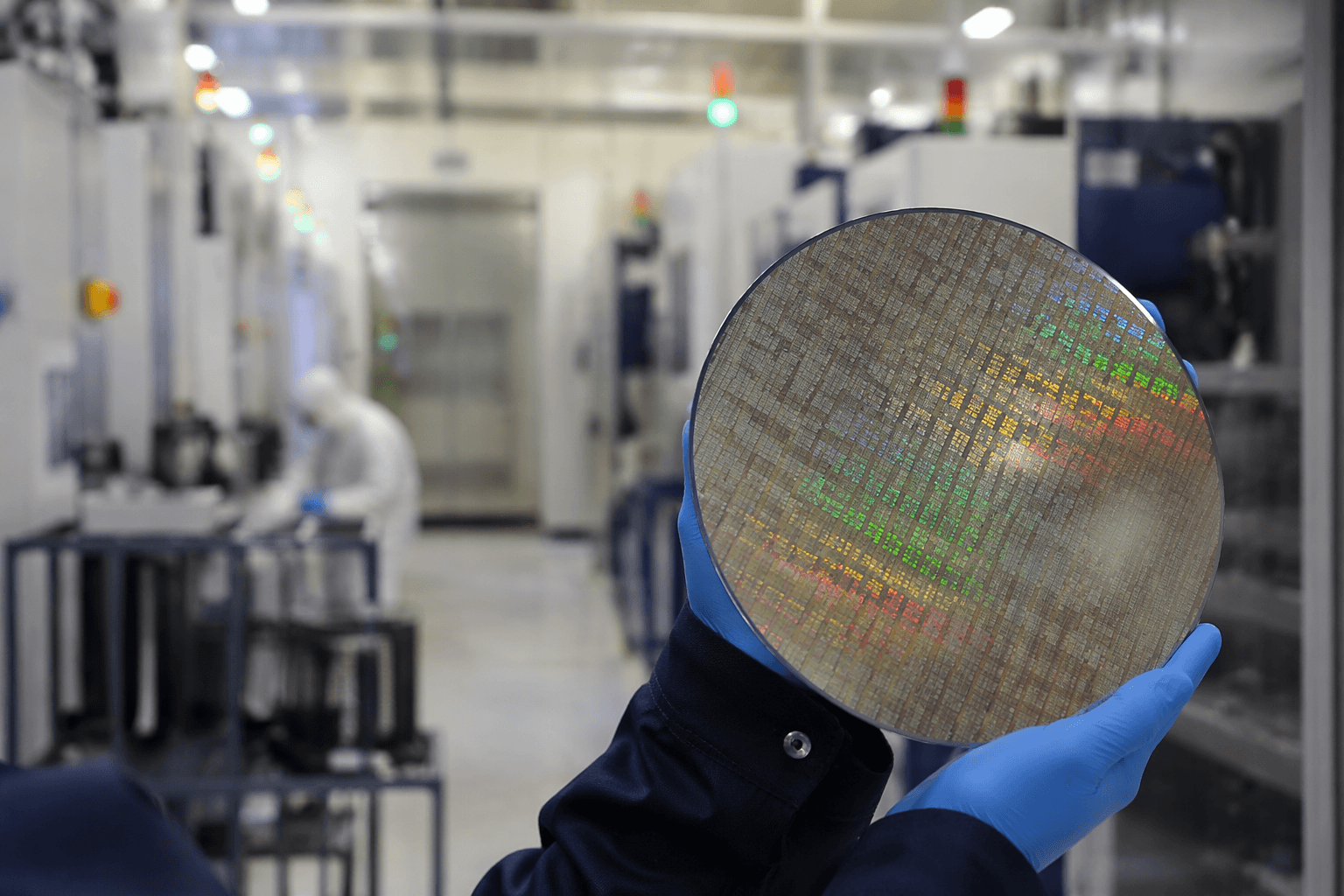
Micron used the same moment to showcase how it is trying to expand U.S. production. The company said it had begun manufacturing 1-alpha DRAM wafers at its Manassas, Virginia, fab, calling the node the most advanced memory ever produced in the United States. Micron said the new process will quadruple DDR4 wafer supply in Manassas and is part of a $200 billion U.S. investment plan that includes a $30 billion expansion commitment. The project is tied to more than 3,100 direct manufacturing and community jobs and is aimed at customers in automotive, defense and aerospace, industrial, networking and medical devices.
The policy stakes are larger than one plant or one tariff schedule. Semiconductors sit inside everything from personal computers and cars to industrial systems, wireless networks and artificial intelligence infrastructure, which is why even talk of duties can shape capital spending, supplier contracts and equipment orders months before any tariff takes effect. The administration wants more chips made at home, but it also has to avoid hitting downstream industries with higher costs or disrupting supply chains that remain deeply global.
That tension is now built into the policy itself. The White House has already declared chips essential to U.S. economic, industrial and military strength, citing defense systems that depend on high-performance semiconductors, including radar, communications, electronic warfare, cybersecurity, missiles and drones. Greer’s message was not that tariffs are off the table. It was that semiconductor protection remains a weapon the administration may use later, once it decides the timing will help, not hinder, the broader push to rebuild U.S. capacity.
This article was produced by Prism’s automated news system from verified source data, official records, and press releases, then run through automated quality and moderation checks before publishing. The system is built and supervised by the people who set the standards it runs under. Read our full AI policy.
Did this article answer your question?

