U.S. demands Iran send enriched uranium out in nuclear deal talks
U.S. negotiators are pressing Iran to ship out its near-weapons-grade uranium, a demand that would hinge on inspections, seals and chain-of-custody checks.
The core of the latest U.S.-Iran nuclear test is not whether Tehran keeps enriching uranium, but whether it gives up the material it already has. U.S. officials said any initial agreement would require a commitment on uranium, a sharper demand than the 2015 deal’s cap on enrichment levels and one that would force inspectors to verify the physical removal of Iran’s stockpile.
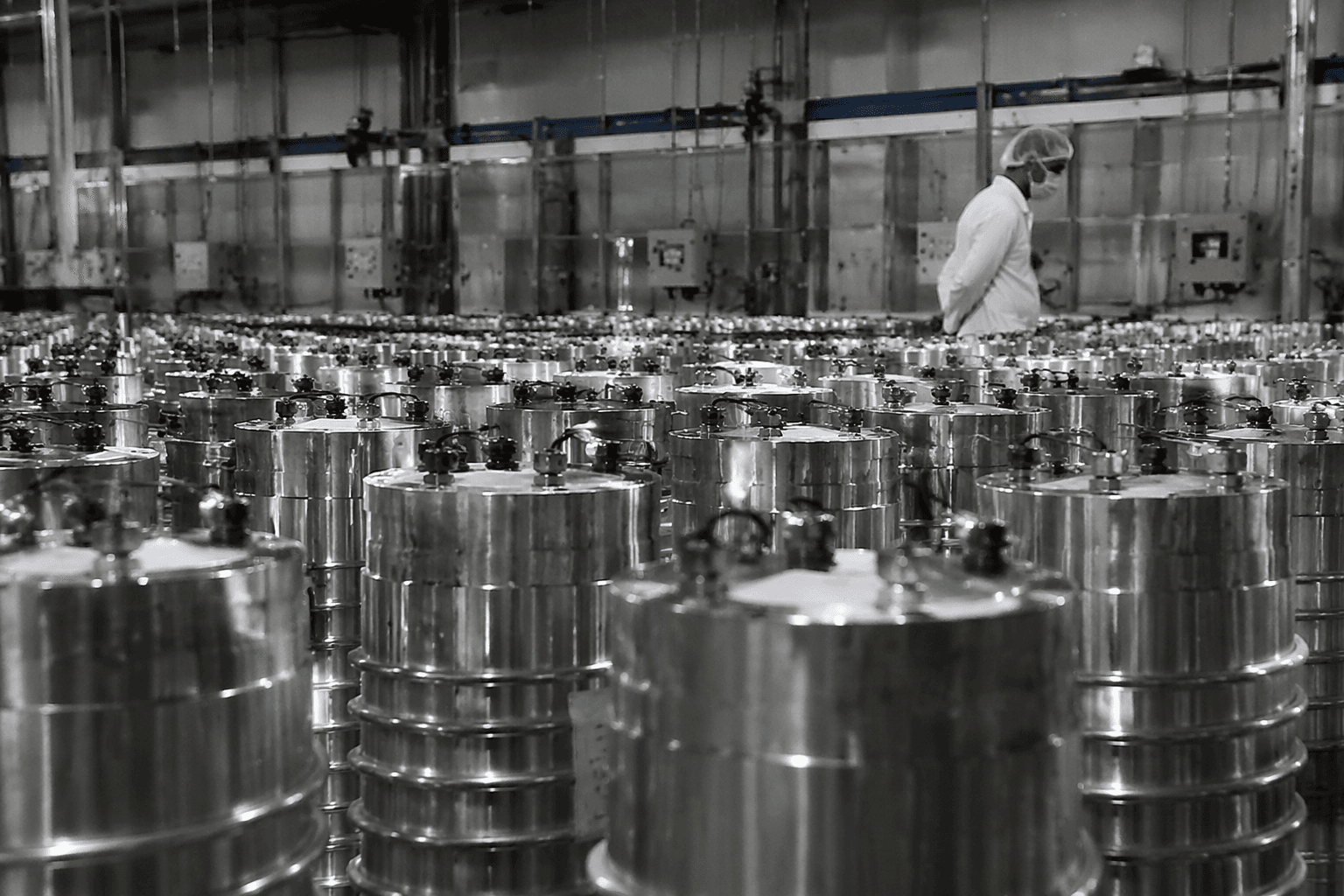
That is where the talks get difficult. Iran has been enriching uranium to 60%, far above the 3.67% ceiling in the 2015 agreement and much closer to weapons-grade levels. Reporting has put Iran’s highly enriched stockpile at about 900 pounds, with most of it believed to have been stored at an underground tunnel complex at the Isfahan facility. To prove that the material had truly left Iran, inspectors would need more than a political promise. They would need a full inventory, seals on storage sites, continuous monitoring of loading and transport, and confirmation that the uranium reached a destination outside Iran. The International Atomic Energy Agency has already urged Iran to allow inspections at Isfahan, underscoring how central that site is to any enforcement test.

The biggest loophole is that shipping out a stockpile does not automatically end a bomb-risk problem. Iran could still preserve centrifuge capacity, keep technical know-how, or insist that material has been removed while retaining hidden quantities elsewhere. That is why the dispute over uranium is inseparable from the argument over infrastructure. Benjamin Netanyahu said in February that any U.S. deal had to dismantle Iran’s nuclear infrastructure, not just stop enrichment, and Israeli officials understood Donald Trump to have assured them that Iran’s stockpile would be sent out of the country.
Trump has signaled confidence that a deal is within reach. On May 21, he said the United States would eventually recover Iran’s stockpile of highly enriched uranium. Two days later, he said a deal with Iran was "largely negotiated" and that the Strait of Hormuz would reopen as part of the agreement. But Iranian sources said Ayatollah Mojtaba Khamenei had ordered that near-weapons-grade uranium should not be sent abroad, a sign that Tehran sees the stockpile as leverage, not surplus.
That makes the current proposal a tougher reset than earlier diplomacy, but not a clean break from it. The 2015 accord limited enrichment to 3.67% and relied on monitoring inside Iran; the new demand would require Iran to surrender material entirely. Whether that becomes a lasting constraint or another temporary pause will depend on whether inspectors can verify every pound, every container and every exit point.
This article was produced by Prism’s automated news system from verified source data, official records, and press releases, then run through automated quality and moderation checks before publishing. The system is built and supervised by the people who set the standards it runs under. Read our full AI policy.
Did this article answer your question?