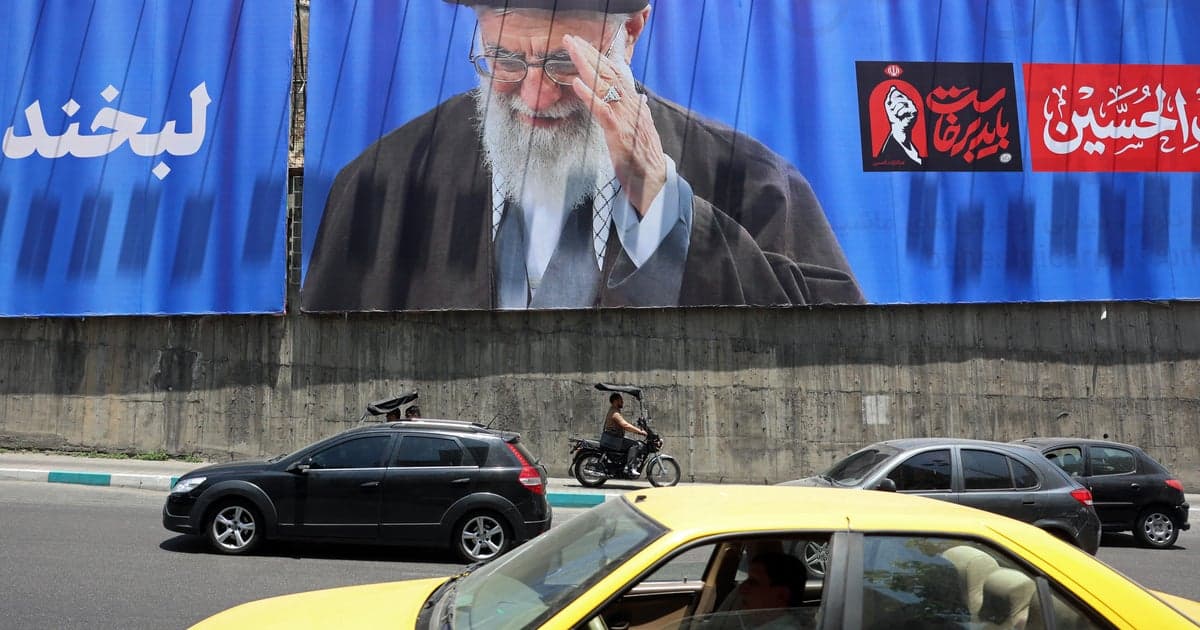
U.S. Deploys 2,000 Troops to Middle East, Signaling Serious Iran Pressure
The Pentagon ordered roughly 2,000 82nd Airborne paratroopers to the Middle East this week, as the USS Tripoli and 2,200 Marines close in on the Persian Gulf — giving Trump new ground options against Iran.
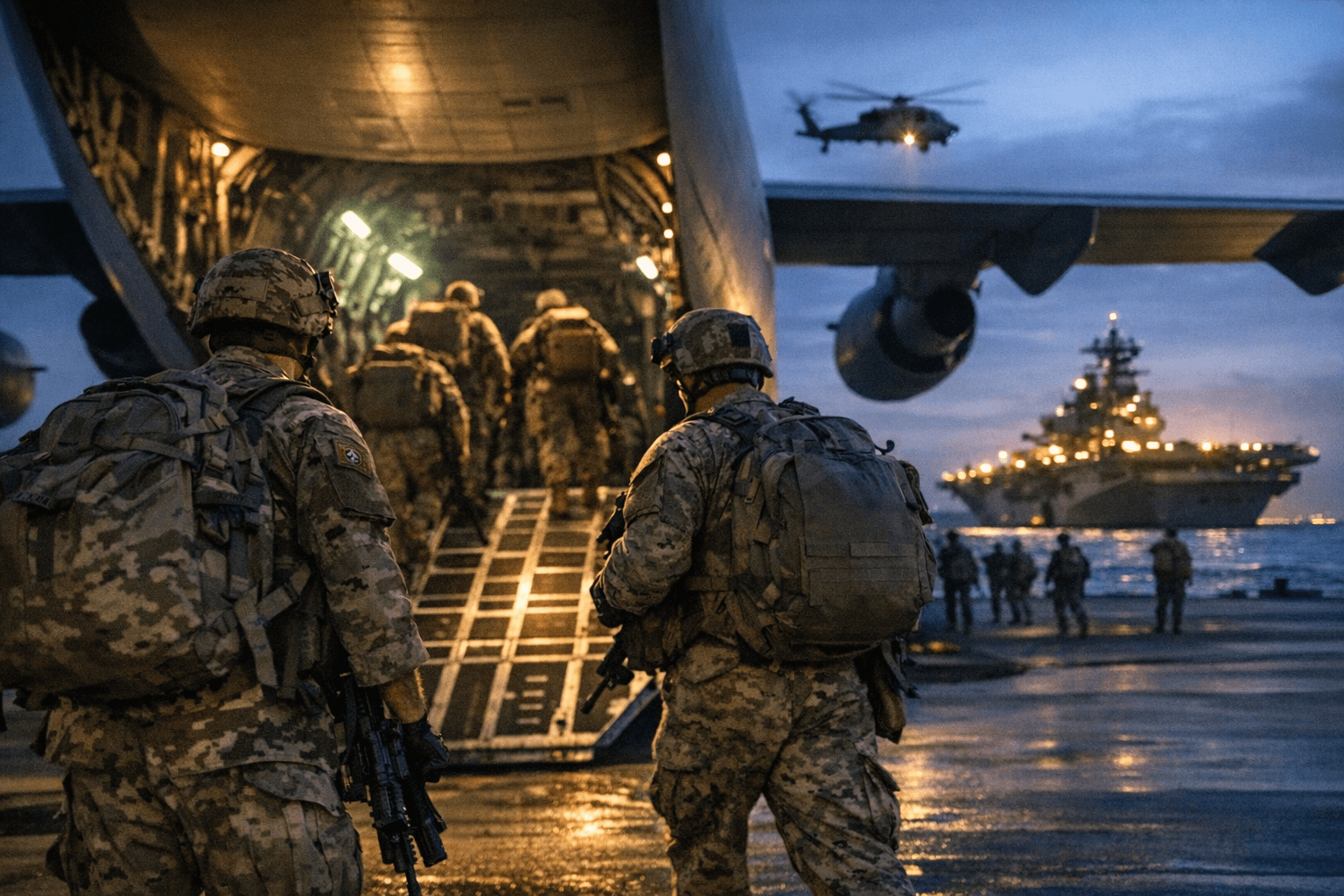
The Pentagon ordered approximately 2,000 soldiers from the U.S. Army's 82nd Airborne Division to begin moving to the Middle East this week, a deployment that lands alongside an already-inbound Marine strike force and sharpens President Donald Trump's military options against Iran nearly four weeks into active hostilities.
Some 2,200 Marines from the 31st Expeditionary Unit, traveling aboard the USS Tripoli, are due to arrive in the region on Friday, along with an amphibious landing dock, the USS New Orleans. The warship departed Okinawa on March 11 and is expected to arrive in the Middle East by the end of March. The three warships and a force of 2,200 Marines will join the Abraham Lincoln Carrier Strike Group and components of the Gerald R. Ford Strike Group already operating in the region.
Retired four-star general Joseph Votel, former U.S. Central Command commander and senior fellow at the Middle East Institute, described the 31st MEU aboard the USS Tripoli as "a monster capability unit" equipped for special operations across land, sea, and air. "It will give President Trump some new options," Votel said, pointing specifically to the question of how the unit "can aid potentially in the reopening of the Strait of Hormuz."
The Strait is a narrow waterway through which a fifth of the world's oil passes, and it has been effectively closed by Iran since Feb. 28, causing a massive disruption to the global oil market. Based in Sasebo, Japan, the Tripoli, almost 850 feet long and displacing 45,000 tons, is essentially a small aircraft carrier and carries F-35 stealth fighters and MV-22 Osprey transports as well as landing craft to move troops ashore.
One strategy Trump is reportedly considering to reopen the Strait is the capture of Kharg Island, a strategic oil hub 15 miles offshore of Iran that processes 90% of Iran's crude oil exports, according to four sources familiar with the matter. Aside from standard tasks such units are trained for, like humanitarian assistance and port seizure operations, the 31st MEU is also trained for limited-scale raids and the seizure of maritime platforms.
Iran has been laying traps and moving additional military personnel and air defenses to Kharg Island in recent weeks in preparation for a possible U.S. operation to take control of the island. The Trump administration has been weighing using U.S. troops to seize the tiny island in the northeastern Persian Gulf as leverage over the Iranians to coerce them to reopen the Strait of Hormuz.
The deployment, combined with two Marine Expeditionary Units already moving toward the Persian Gulf, could bring 6,000 to 8,000 U.S. ground troops into close proximity to Iran. U.S. Central Command confirmed there are now more than 50,000 U.S. troops in the Middle East, a deployment that includes two aircraft carriers.
Military experts said that the number of additional troops being deployed to the region appears consistent with plans for discrete and time-limited operations, rather than a sustained ground campaign. Trump said Monday that the U.S. and Iran had reached 15 points of agreement in conversations to end the conflict, and that Iran would "very much" like to make a deal. Iran previously denied there was any dialogue happening with the U.S., but on Tuesday, an Iranian source said there was "outreach" between the two countries.
Iran's government on Wednesday rejected President Trump's plan for ending the war and vowed to continue fighting until a list of Iran's own conditions are met. At least 13 U.S. military members have been killed in the conflict. The USS Tripoli's arrival in the coming days will mark the clearest signal yet that ground options, whether used or withheld, have become central to Washington's pressure calculus.
This article was produced by Prism’s automated news system from verified source data, official records, and press releases, then run through automated quality and moderation checks before publishing. The system is built and supervised by the people who set the standards it runs under. Read our full AI policy.
Did this article answer your question?