U.S. deploys Ukrainian drone-defense system at Saudi air base
U.S. forces have started using a Ukrainian drone-defense system in Saudi Arabia after recent attacks on Prince Sultan Air Base. The move shows how fast battlefield software and sensors are reshaping Pentagon procurement.
The U.S. military has brought a Ukrainian counter-drone system into recent use at Prince Sultan Air Base, a sign that Washington is now importing lessons from Ukraine to defend one of its most important hubs in the Middle East. The platform, called Sky Map and owned by the Ukrainian company Sky Fortress, has been used in recent weeks to help detect incoming drone threats and direct interceptor-drone responses as U.S. forces face a growing mix of missiles and cheap, expendable unmanned aircraft.
Ukrainian military officials arrived at the Saudi base to train American personnel on the system, underscoring how quickly wartime innovation has crossed from Eastern Europe into U.S. force protection. Sky Map is already widely used in Ukraine to spot drones, including Iranian-designed Shahed models, and to coordinate counterattacks. Sky Fortress was launched in 2022 by Ukrainian engineers tied to the military, and those engineers reportedly spread more than 10,000 acoustic sensors across Ukraine to help track Russian drone attacks.
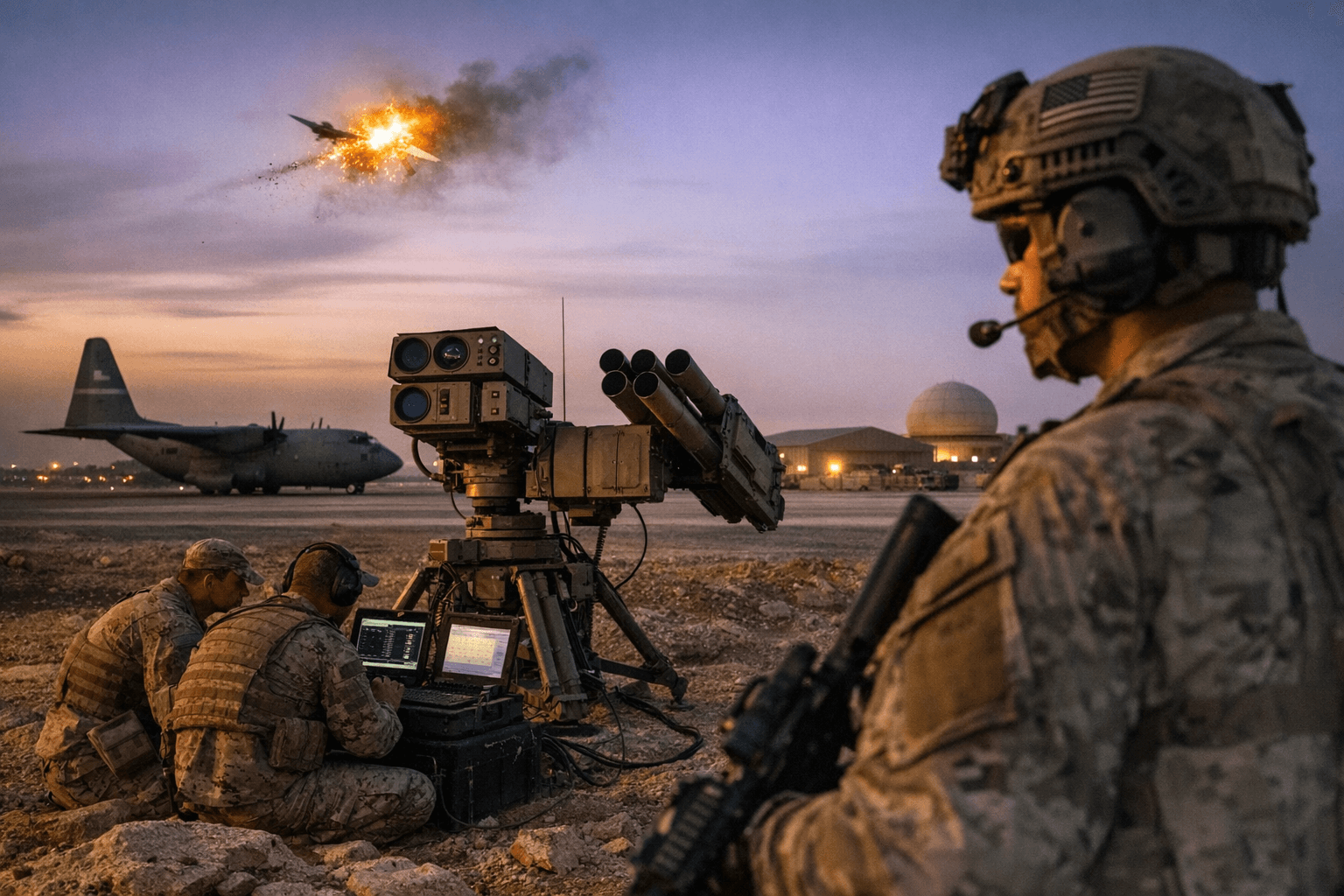
The deployment comes after Prince Sultan Air Base was struck on March 27 in an Iranian missile-and-drone attack that wounded 12 U.S. troops, including two seriously, and damaged aircraft. The base is a central node for U.S. aerial refueling and surveillance across the region, which makes it a high-value target as the conflict with Iran has widened. U.S. officials have said more than 300 service members have been wounded and 13 killed since the war began on February 28.
The Pentagon is also widening its procurement push. Its counter-drone unit committed $350 million to bolster defenses against drones in support of Operation Epic Fury, and a later update said Joint Interagency Task Force 401, the Army-led entity building out the military’s counter-drone arsenal, has since committed more than $600 million for counter-UAS capabilities tied to Operation Epic Fury, the FIFA World Cup and homeland defense. The task force is fielding sensors, cameras and interceptors as it tries to build layered defenses against a threat that is cheaper, faster and harder to stop.
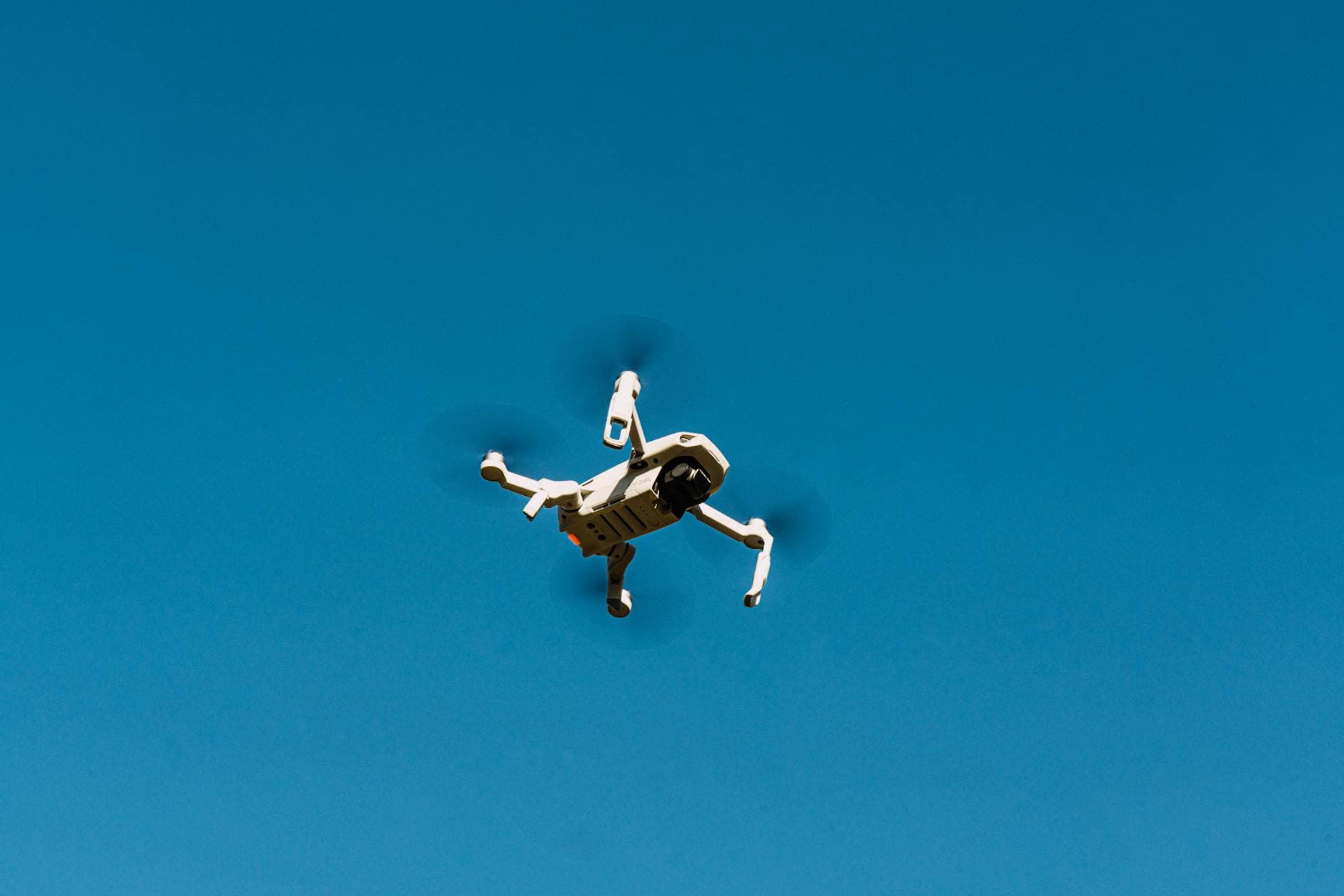
The shift carries political as well as military significance. President Donald Trump had earlier rejected an offer from Volodymyr Zelenskiy to help counter Iranian drone attacks, saying the U.S. did not need that assistance. The fact that Ukrainian technology is now operating at a major Saudi air base suggests practical battlefield needs have overtaken old assumptions about who teaches whom. Prince Sultan has also tested Merops interceptor drones developed by Project Eagle, a company backed by former Google chief executive Eric Schmidt, showing that the Pentagon is now testing multiple systems at once as it races to protect aircraft, personnel and infrastructure from an evolving drone war.
This article was produced by Prism’s automated news system from verified source data, official records, and press releases, then run through automated quality and moderation checks before publishing. The system is built and supervised by the people who set the standards it runs under. Read our full AI policy.
Did this article answer your question?