U.S. deports Iranian activist to Central African Republic, sparking alarm
An Iranian activist was deported from Louisiana to the Central African Republic, a Level 4 no-travel country she has no ties to. Rights groups call it a dangerous test of U.S. power.

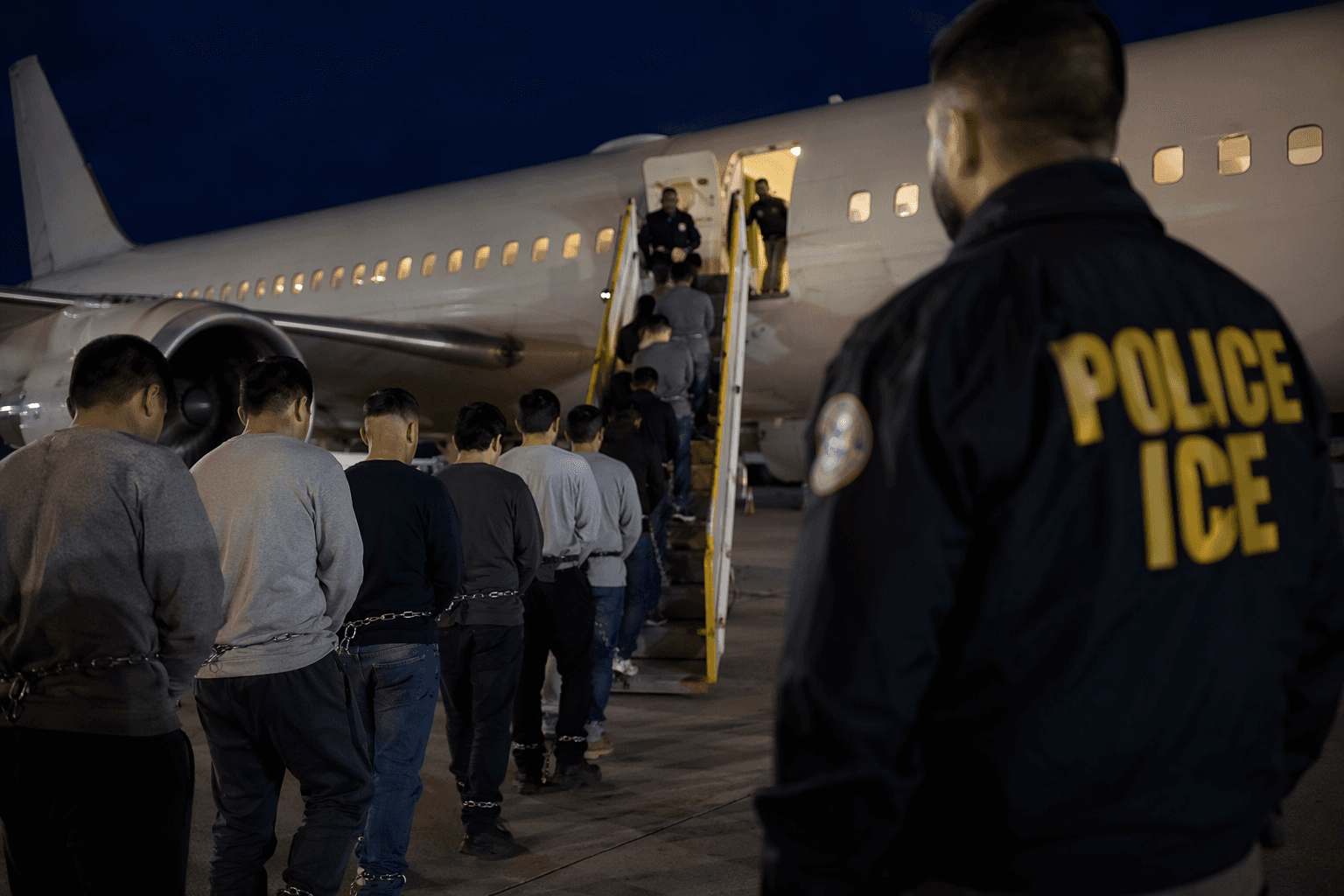
An Iranian pro-democracy activist was deported from Louisiana to the Central African Republic, a country the State Department says Americans should not visit and where her lawyer said she had no ties at all. Emily Trostle called the transfer “super dangerous” after the woman was placed on a flight expected to continue to Bangui via Accra, even though she was the only person ultimately on the plane.
The case has quickly become a test of how far the United States is willing to go with third-country deportations, a practice that sends people to places other than their home nations when direct return is difficult or impossible. The Central African Republic was one of several African destinations the administration has used, alongside Democratic Republic of Congo, Ghana, Sierra Leone and Equatorial Guinea, as Washington increasingly leans on agreements with governments that will accept deportees it cannot readily remove elsewhere.
The legal path that put the Iranian woman in this position also shows how fragile those protections can be. Her lawyers said asylum claims were rejected under the Circumvention of Lawful Pathways rule, a policy that required many asylum seekers to apply first in countries they passed through. A federal court in California vacated that rule on May 7, 2026, and legal-aid groups say the ruling applies nationwide and restores legal options for some affected migrants.
Advocates warned that the stakes are especially high for Iranians, who may face persecution if sent back and often have no support network in a third country. The Iranian American Legal Defense Fund said three Iranian women were at risk of deportation, including one who had converted to Christianity. The fund said the central problem is not only removal from the United States, but what happens after that: no legal status, no obvious path to safety and little ability to resist being pushed onward.
That concern is amplified by the destination itself. The State Department’s travel advisory for the Central African Republic, dated January 15, 2026, is Level 4, Do Not Travel, citing unrest, crime, kidnapping, landmines, health risks and terrorism. It says U.S. government employees need special authorization to travel outside Bangui, must use armored vehicles in Bangui, face a curfew and cannot bring family members, while the government’s ability to provide emergency services there is extremely limited.
The Central African Republic arrangement followed a May 18 meeting in Bangui between Central African officials and a U.S. delegation led by Christian Jové Ehrhardt, deputy assistant secretary in the State Department’s Bureau of Population, Refugees and Migration. The United States also awarded $85 million this year to the International Organization for Migration for operations in the country.
The State Department and the Central African Republic presidency did not immediately comment. The Department of Homeland Security said last week that all deportees would receive due process, but this case has already sharpened the broader dispute over outsourcing deportation and the obligations the United States owes to refugees and dissidents.
This article was produced by Prism’s automated news system from verified source data, official records, and press releases, then run through automated quality and moderation checks before publishing. The system is built and supervised by the people who set the standards it runs under. Read our full AI policy.
Know something we missed? Have a correction or additional information?
Submit a Tip