U.S. destroyers escort merchant ships through Strait of Hormuz under fire
U.S. destroyers pushed through Iranian fire to escort two merchant ships, turning a “defensive” mission into a test of how quickly the Strait of Hormuz can tip into war.
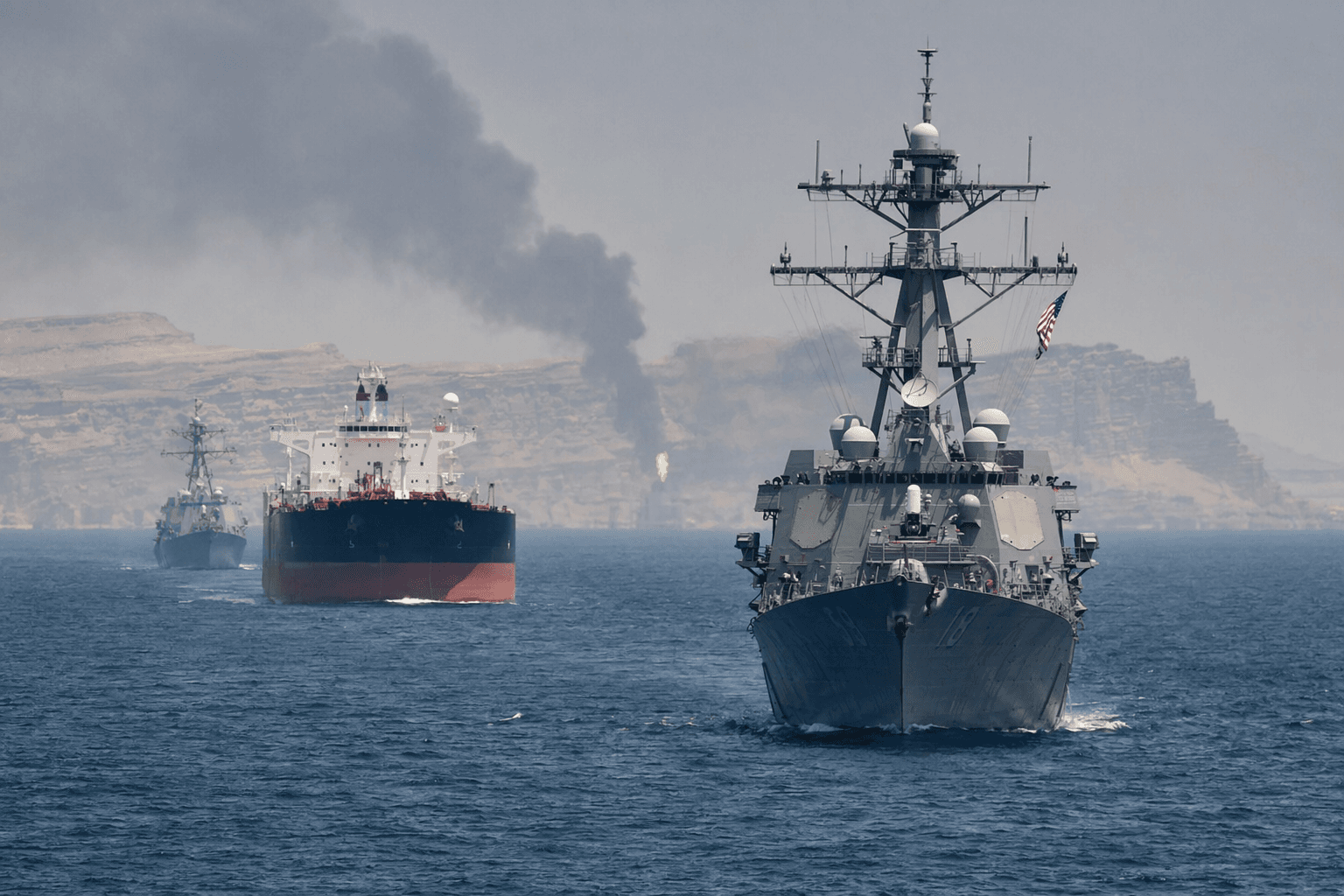
Two U.S. Navy destroyers pushed two commercial vessels through the Strait of Hormuz while fending off Iranian missiles, attack drones and small boats, a tense display of force that left no ships hit and no casualties reported. The operation was part of a new U.S. Central Command mission called “Project Freedom,” launched by President Donald Trump to reopen a waterway Iran had effectively shut amid the wider war.
The American effort was not a simple escort. Adm. Brad Cooper said it involved 15,000 U.S. service members and a layered defensive umbrella of destroyers, helicopters, aircraft, electronic warfare and undersea assets. U.S. Central Command said the force destroyed six Iranian small boats during the operation; Trump later said seven were sunk. Iranian state media denied that any boats were destroyed. Two U.S.-flagged commercial vessels made the transit successfully.
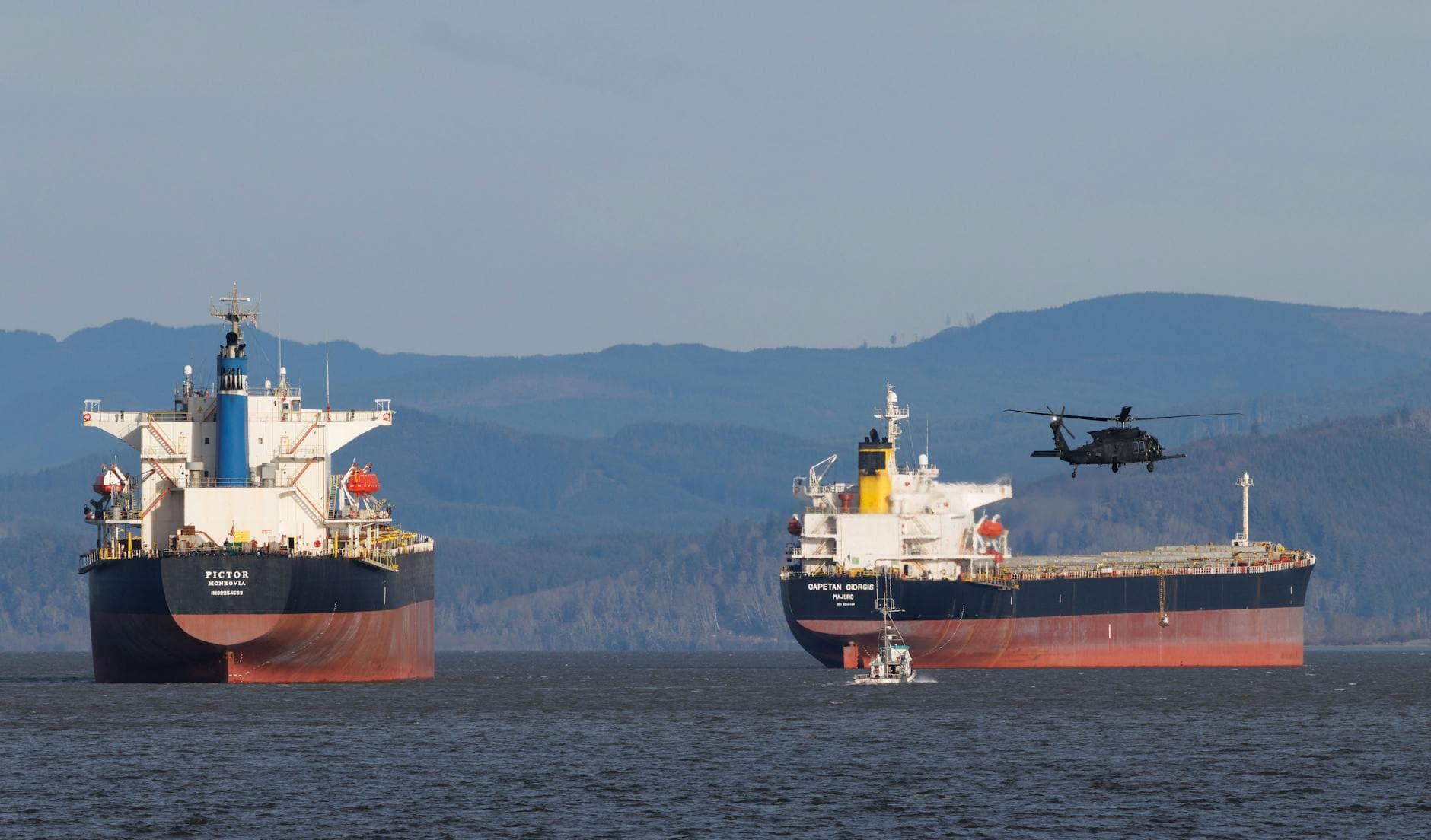
The stakes reach far beyond a single convoy. The Strait of Hormuz normally carries around 20% of the world’s oil and liquefied natural gas supplies, making every exchange of fire there a potential shock to global energy markets. Oil prices jumped sharply as traders absorbed the risk that the confrontation could spill into a broader attempt to choke off one of the world’s most important shipping lanes.
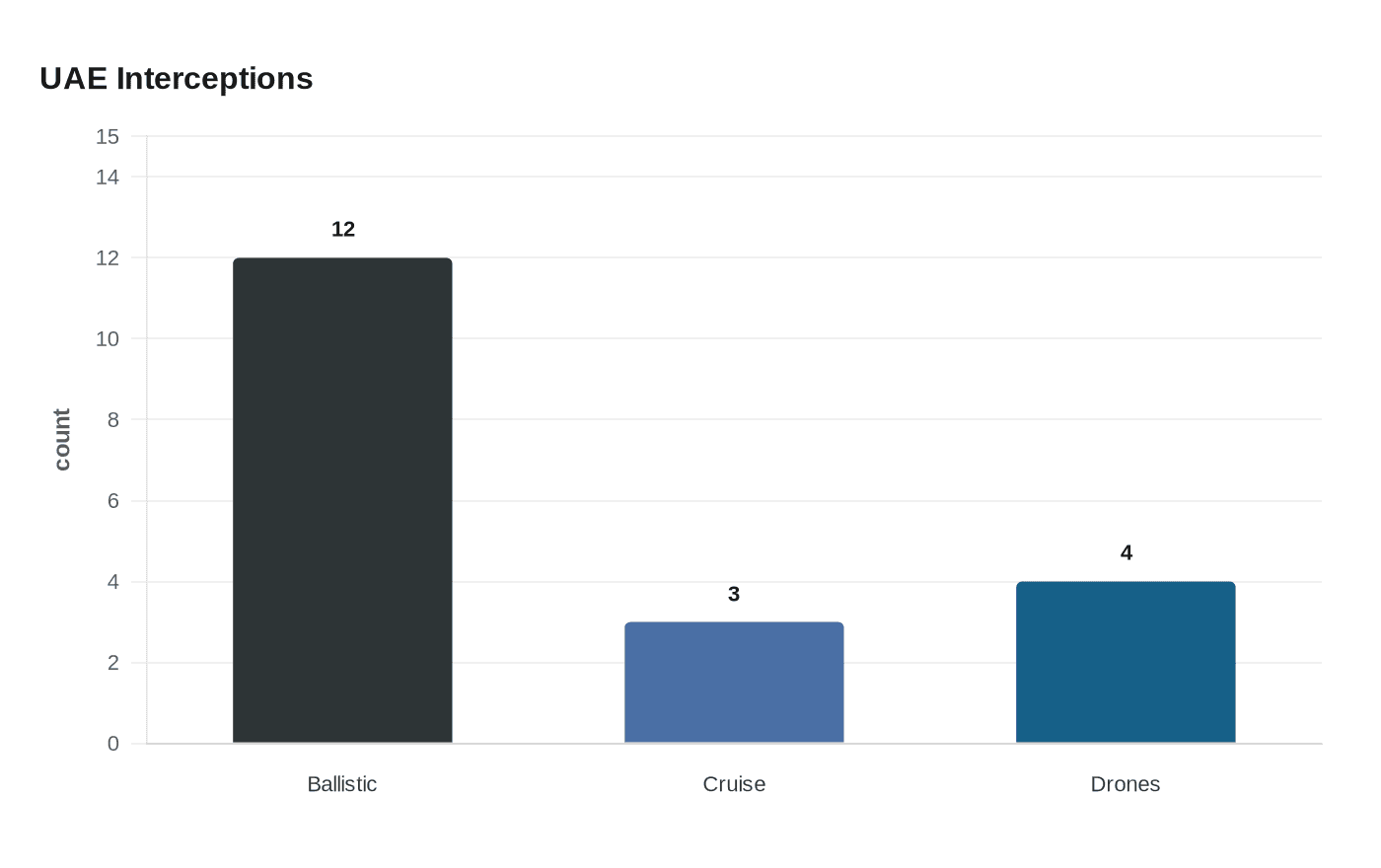
The pressure was not confined to the strait. The United Arab Emirates said its air defenses intercepted 12 ballistic missiles, three cruise missiles and four drones, with three moderate injuries reported and the foreign ministry saying the injured were Indian nationals. A South Korean-operated ship also reported an explosion and fire in the waterway; South Korea said the vessel was Panama-flagged and carried 24 crew members, including six South Koreans, with no casualties reported.
The confrontation unfolded against a fragile U.S.-Iran ceasefire that began on April 8 and was extended by Trump last month. U.S. officials declined to say whether it was still in force. Iranian Foreign Minister Abbas Araghchi said the events showed there was no military solution and warned the U.S. and the UAE against being dragged into a “quagmire.” Trump countered that Iran would be “blown off the face of the Earth” if it targeted U.S. ships protecting commercial vessels.
That warning captures the line between deterrence and direct war. Escorting merchant traffic under fire can still be framed as defense, but the mission would cross into a new phase if a U.S.-protected ship were struck, if American personnel were killed, or if Washington ordered direct attacks on Iranian forces. In the Strait of Hormuz, those triggers can arrive in seconds.
This article was produced by Prism’s automated news system from verified source data, official records, and press releases, then run through automated quality and moderation checks before publishing. The system is built and supervised by the people who set the standards it runs under. Read our full AI policy.
Did this article answer your question?


