U.S. divers may search new areas in Lynette Hooker case
Forensic data from Brian Hooker’s devices pushed investigators into new parts of the Sea of Abaco, and U.S. divers now need Bahamian permission to search there.
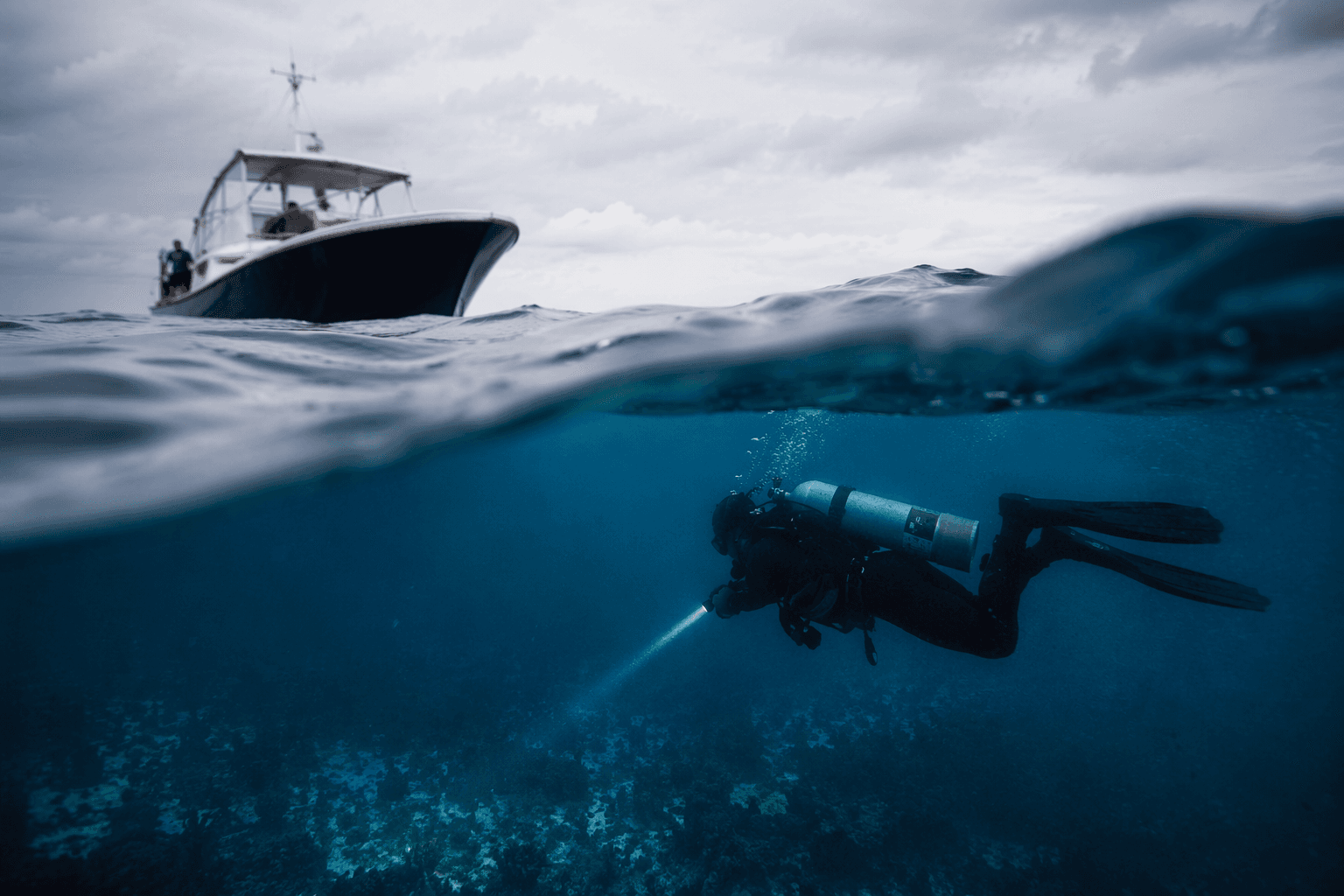
Newly obtained forensic evidence from Brian Hooker’s electronic devices has shifted the search for Lynette Hooker into new areas of the Sea of Abaco, and investigators are now preparing to ask the Bahamas for permission to send in U.S. divers. The cross-border request matters because the latest data, including GPS information, appears to contradict parts of Brian Hooker’s account and suggests earlier searches may have focused on the wrong part of the waterway.
Lynette Hooker, 55, of Michigan, disappeared on April 4 after Brian Hooker said she fell overboard from an 8-foot hard-bottom dinghy during a nighttime trip in the Bahamas. He told authorities the couple left Hope Town for Elbow Cay around 7:30 p.m. local time and were near Aunt Pat’s Bay when she vanished. He also said the boat’s keys were lost when she went into the water, leaving him unable to restart the engine.
The search now centers on areas around the Sea of Abaco, Elbow Cay, Hope Town and Aunt Pat’s Bay, with investigators looking at locations that had not previously been searched. The U.S. Coast Guard Investigative Service, the Coast Guard’s criminal investigative arm, is driving the case on the American side, while Bahamian authorities control access to the waters where divers would operate. That jurisdictional hurdle could determine how quickly the next phase of the search moves forward.
Brian Hooker was arrested by Bahamian police on April 8 and later released five days later without charges. He has denied wrongdoing and has not been charged with a crime. Bahamian authorities have said he remains a suspect, keeping the investigation focused on his statements, the couple’s final movements and the forensic evidence pulled from his devices.
The FBI is processing evidence at Quantico, Virginia, while Lynette Hooker’s daughter, Karli Aylesworth, has provided DNA to the Coast Guard to help identify remains if they are recovered. The Coast Guard has also asked the public for help identifying a mystery sailboat that may have been moored near the Hookers’ vessel the night she disappeared, a sign that investigators are still trying to reconstruct a narrow window of time on the water.
The case has become as much about geography and legal authority as about search technology. If the Bahamas grants access, U.S. divers could enter new Bahamian search zones and inspect ground that may have been missed in the early days of the investigation, when Brian Hooker’s account guided the first search pattern.
This article was produced by Prism’s automated news system from verified source data, official records, and press releases, then run through automated quality and moderation checks before publishing. The system is built and supervised by the people who set the standards it runs under. Read our full AI policy.
Did this article answer your question?


