U.S. doctor exposed to Ebola in Uganda released from Czech hospital
A U.S. doctor exposed to Ebola in Uganda left Prague's Bulovka hospital after 20 days in isolation. Officials said he stayed symptom-free through the incubation period.
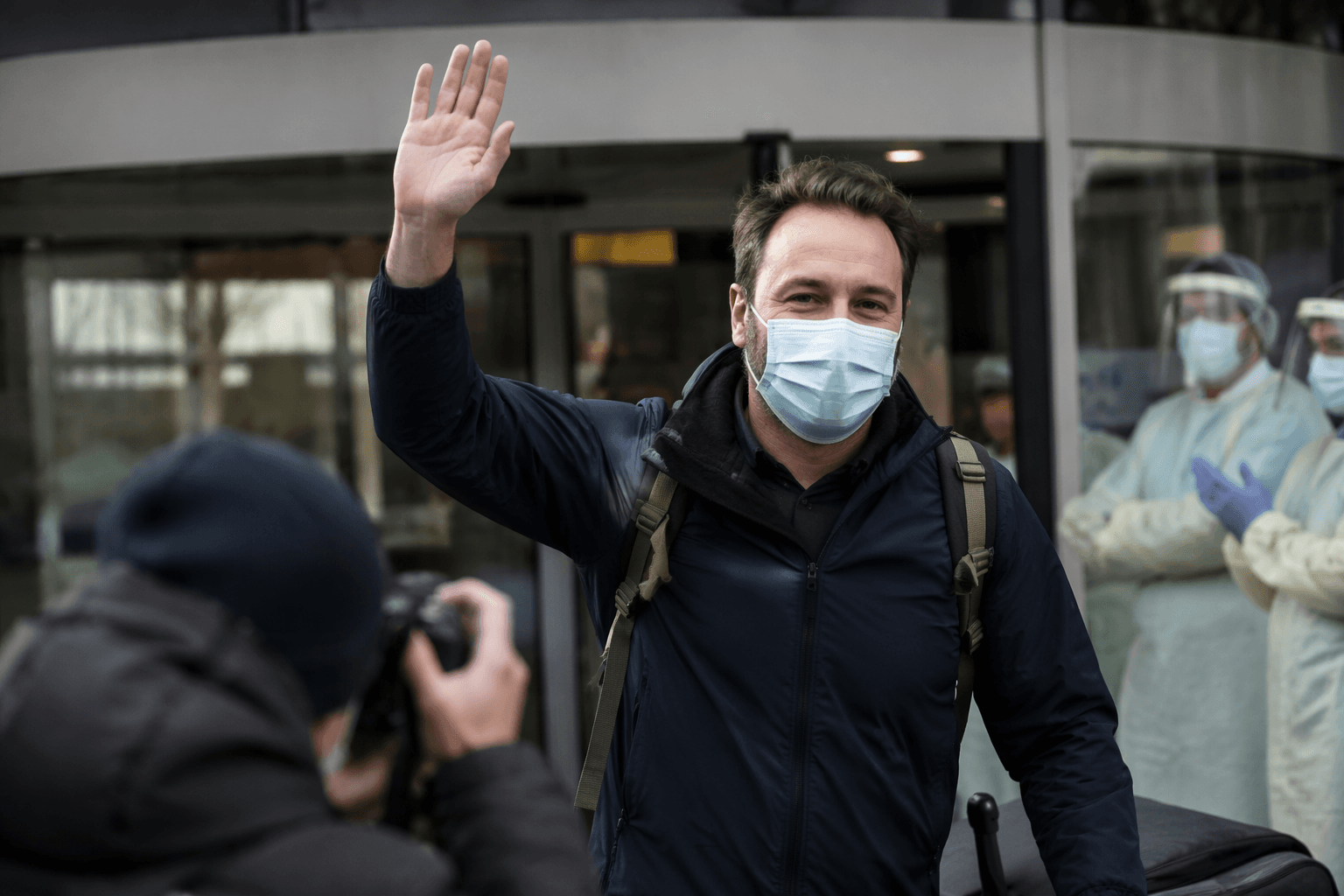
A U.S. doctor who was isolated in Prague after contact with an Ebola patient in Uganda has been released from Bulovka University Hospital and is heading home. The doctor, identified in media as Patrick LaRochelle, had been under observation since May 21 after being transferred to the Czech Republic as a precaution.
Bulovka hospital said he showed no symptoms and was cleared after the virus’s incubation period ended, the key milestone in a monitoring case like this. That distinction matters: the release does not mark recovery from illness, but the end of a watch period in which health officials look for the first signs of infection after exposure.
The case unfolded against a wider Ebola emergency in central and east Africa. On May 17, the World Health Organization said the outbreak caused by Bundibugyo virus in the Democratic Republic of the Congo and Uganda constituted a public health emergency of international concern. The Bundibugyo strain has no vaccine or specific treatment, and by June 6 the outbreak had grown to 515 confirmed cases and 91 deaths in the DRC and 19 confirmed cases and 3 deaths in Uganda.
Public-health agencies have treated the episode as part of a broader containment operation rather than a one-off medical transfer. The U.S. government requested the move to Prague, and Czech authorities used the country’s infectious-disease expertise to manage the isolation. The Centers for Disease Control and Prevention says this is the 17th recorded Ebola outbreak in the DRC since the virus was first identified in 1976, and notes that Bundibugyo virus was first identified in Uganda in 2007, when it caused 149 suspected cases and 37 deaths.
The Prague release also shows how international monitoring protocols work when exposure crosses borders. High-risk contacts were moved to Germany and the Czech Republic and remained asymptomatic, reinforcing the role of surveillance, contact tracing, clinical preparedness, supplies and community engagement in the response. In a region where insecurity and population movement complicate containment, officials are trying to separate caution from confirmed infection as quickly and transparently as possible.
This article was produced by Prism’s automated news system from verified source data, official records, and press releases, then run through automated quality and moderation checks before publishing. The system is built and supervised by the people who set the standards it runs under. Read our full AI policy.
Did this article answer your question?