U.S. drops sanctions on UN Gaza critic Francesca Albanese
Washington lifted sanctions on Francesca Albanese after a court said the move likely violated her free-speech rights. The reversal ended a freeze that had blocked her U.S. travel and banking access.

The United States removed Francesca Albanese from its sanctions list on May 20, 2026, backing away from a penalty that had made the UN Gaza rapporteur unable to enter the country or use the U.S. banking system. The move came after a federal judge in Washington temporarily blocked the sanctions and found the Trump administration likely ran afoul of the First Amendment by punishing her after criticism of Israel’s war in Gaza.
The sanctions were imposed in July 2025 by the U.S. State Department under President Donald Trump’s Executive Order 14203, which targeted people the administration said were directly engaged in International Criminal Court efforts to investigate, arrest, detain or prosecute U.S. or Israeli nationals without their consent. Albanese, an Italian international lawyer who has served since May 2022 as the UN special rapporteur on the situation of human rights in the Palestinian territory occupied since 1967, had become one of the most visible critics of Israel’s conduct in Gaza and an outspoken target of Washington’s anger.
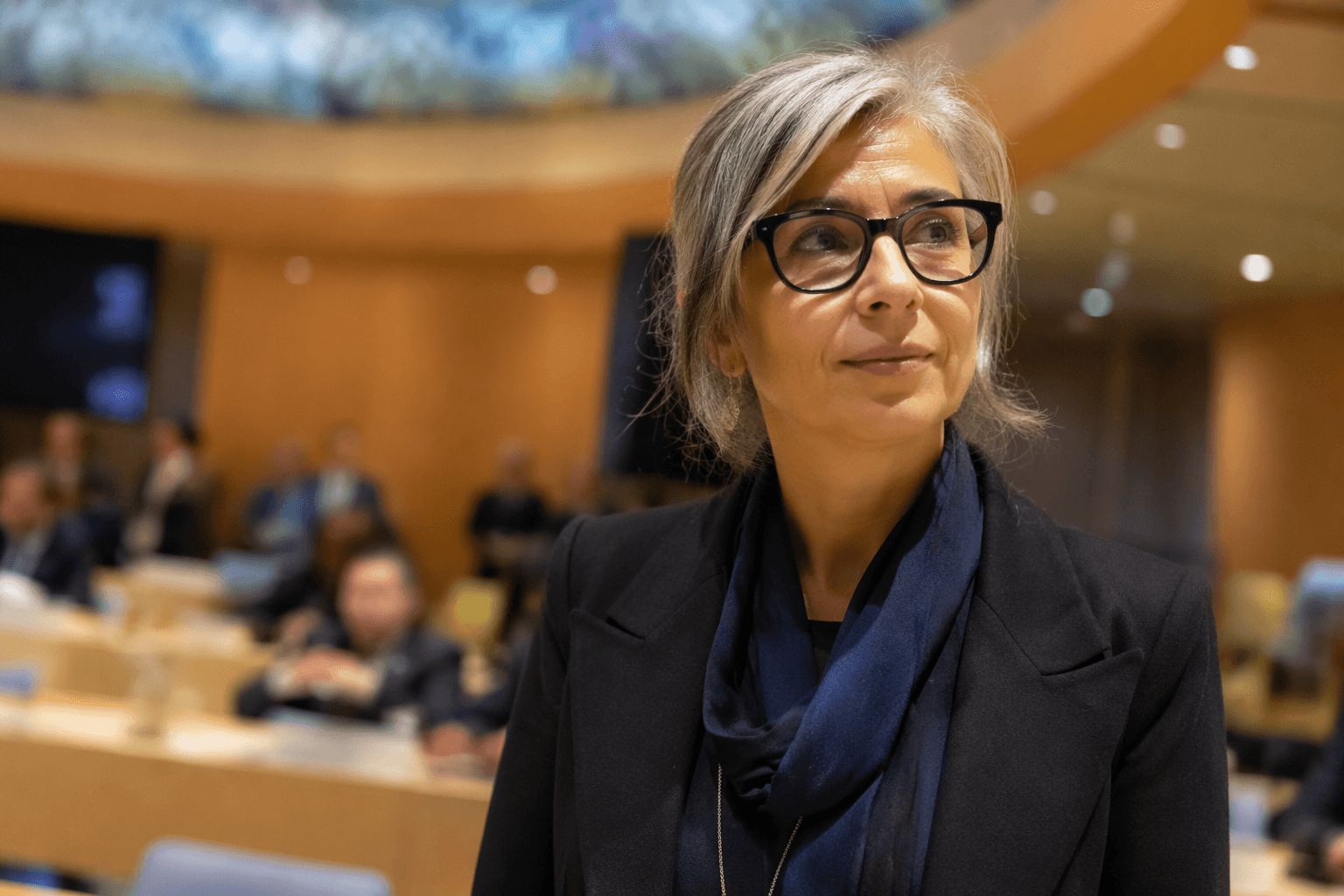
Her July 2025 report to the UN said 48 corporate actors were implicated in Israel’s war economy in Gaza, and reporting on that document named Microsoft, Alphabet and Amazon among the companies cited. She also recommended ICC prosecutions involving Israeli and American nationals and accused major U.S. companies of complicity in what she described as Israel’s ongoing genocidal campaign in Gaza, comments that sharpened the clash with Washington and helped turn her case into a test of how far the U.S. could go in sanctioning a UN official over speech tied to the war.
The legal fight widened in February when Albanese’s husband and daughter sued the administration, giving the dispute a broader civil liberties dimension beyond one diplomat’s status. The Office of Foreign Assets Control later said on its sanctions list service that Albanese’s designation was not being implemented or enforced while the court order remained in effect, underscoring how the legal block had already limited the practical reach of the penalty.
The reversal also carries diplomatic weight. The UN Human Rights Council and OHCHR had publicly called for the sanctions to be reversed, warning they could weaken the international human rights system. By dropping the designation after the court ruling, Washington signaled both the limits of its pressure campaign and the risks of using sanctions to police criticism of Israel, especially when that criticism comes from a senior UN official with a global platform.
This article was produced by Prism’s automated news system from verified source data, official records, and press releases, then run through automated quality and moderation checks before publishing. The system is built and supervised by the people who set the standards it runs under. Read our full AI policy.
Did this article answer your question?