U.S. Entanglement in Iran Hands Strategic Gains to China, Russia
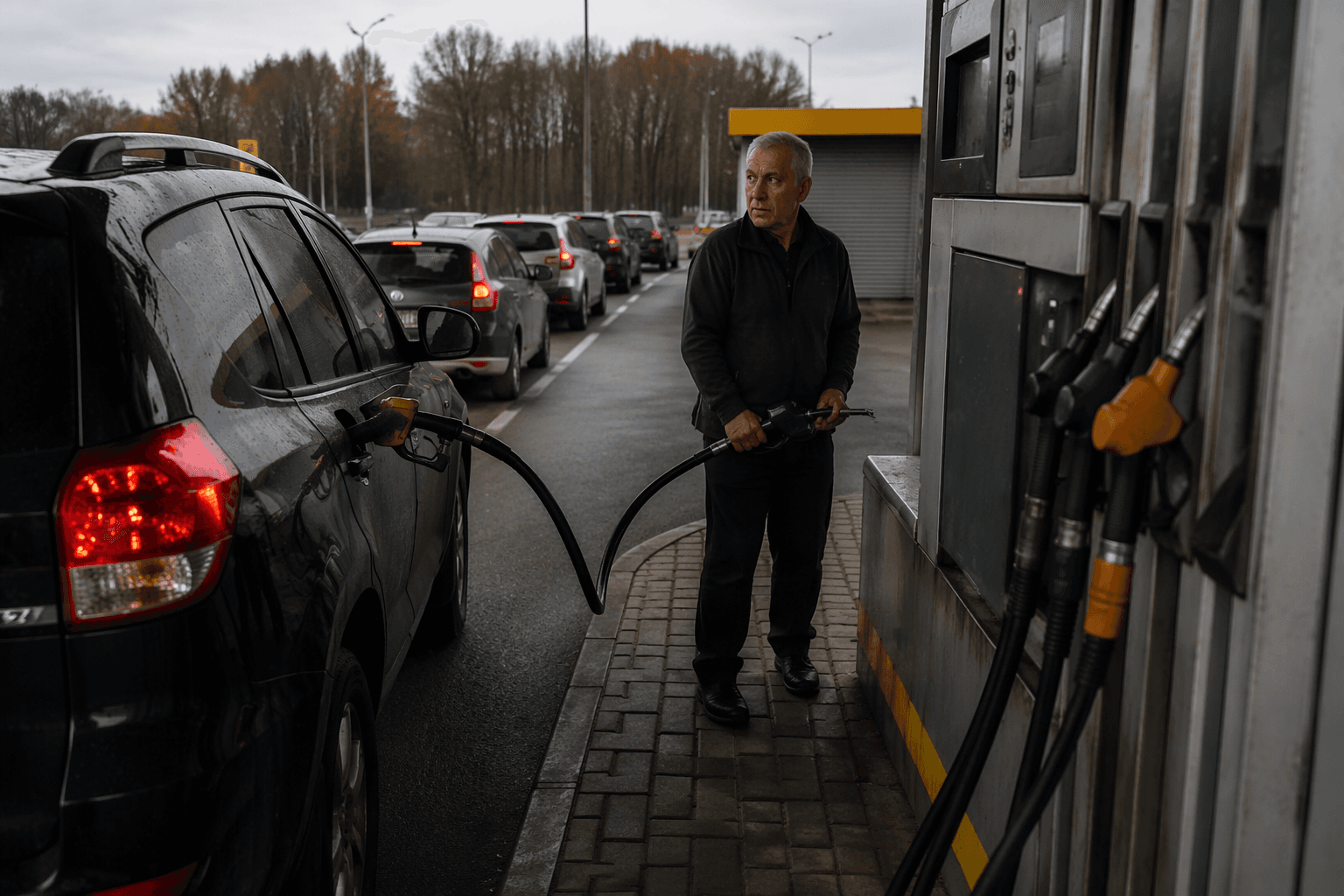
Russia budgeted on $60 oil; the Iran war sent Brent crude to $120 a barrel, handing Moscow a windfall that funds its Ukraine operations while Washington is pinned down.
The strikes that began February 28 were designed to cripple Iran's military and nuclear infrastructure. Five weeks later, the clearest winners may not be the countries that launched them.
Russia entered 2026 facing a precarious financial year, its federal budget calibrated on oil at roughly $60 a barrel. The war in the Gulf changed that calculus immediately: Brent crude surged toward $120 a barrel, nearly double Moscow's baseline, generating a windfall that analysts say has effectively rescued the Kremlin's military budget and extended its capacity to sustain operations in Ukraine.
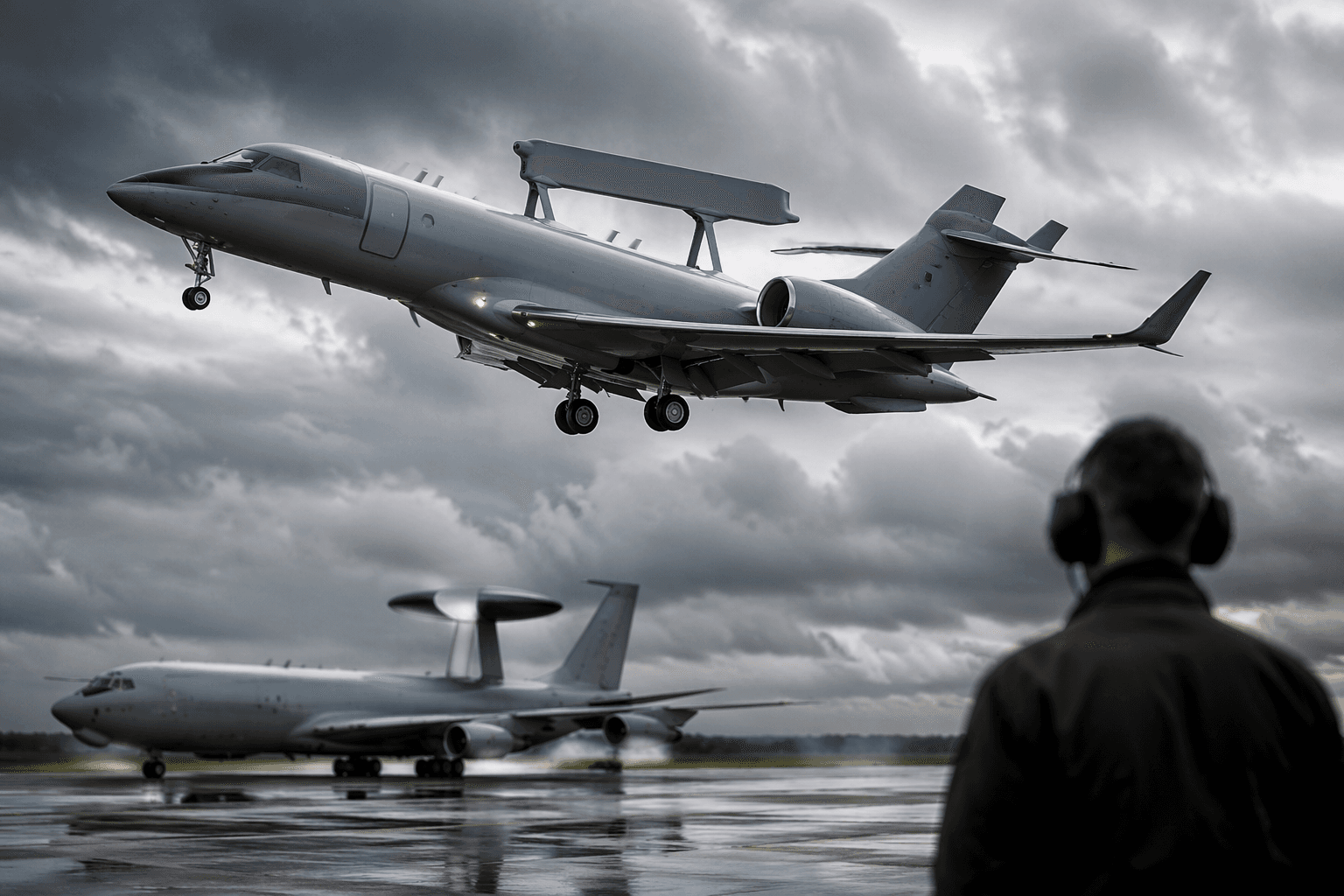
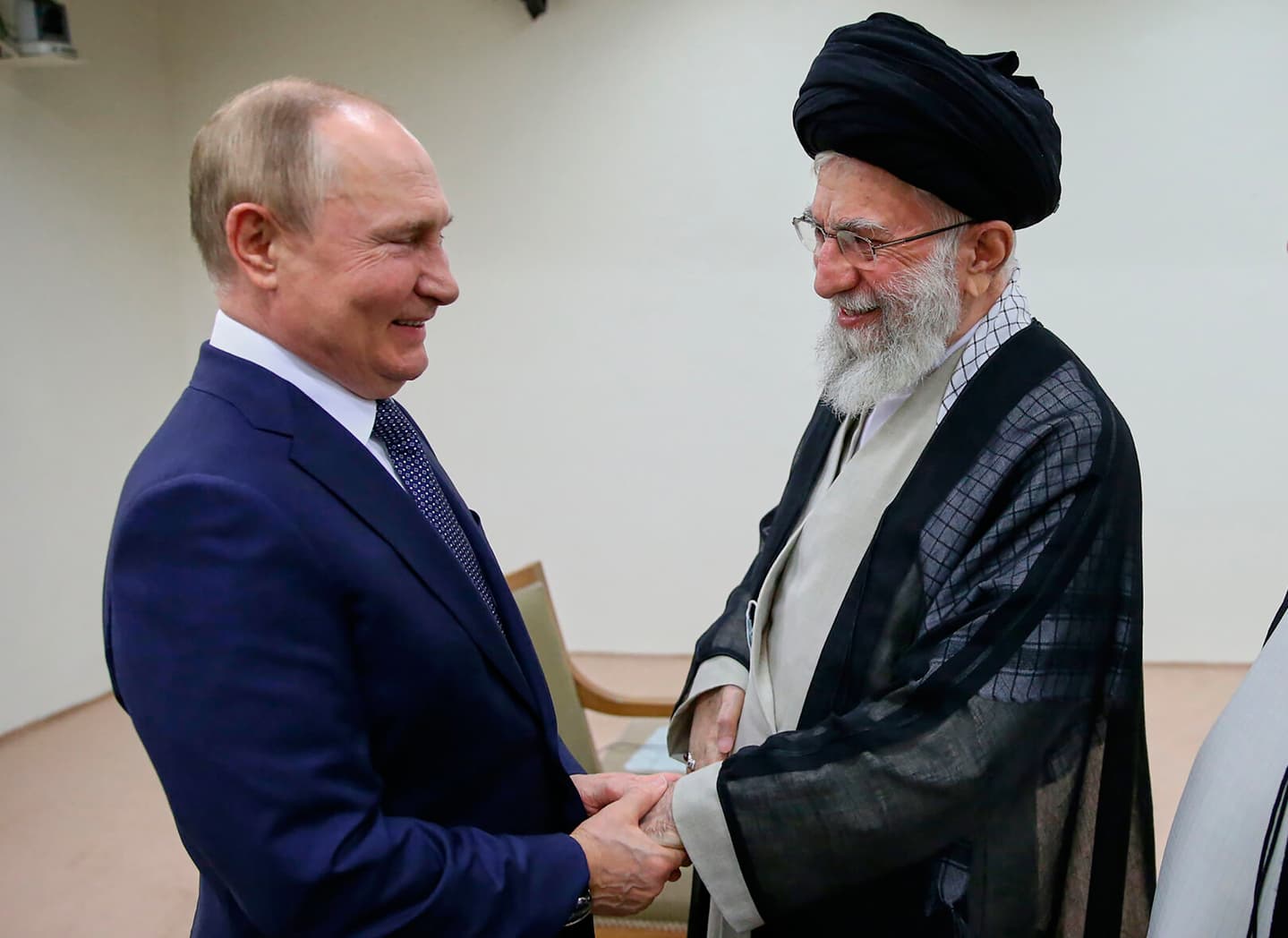
The gains extend beyond the energy ledger. Vladimir Putin quickly positioned Moscow as a would-be mediator, placing calls to leaders in the United Arab Emirates, Bahrain, and Qatar while maintaining what the Kremlin described as "constant contact" with Iranian officials. Foreign Minister Sergey Lavrov condemned the U.S. and Israeli strikes as a "reckless step" and "deliberate, premeditated, and unprovoked act of armed aggression," framing that played well across the Global South. U.S. officials have also confirmed that Russia has been supplying Iran with satellite imagery and intelligence on the positions of American warships and aircraft in the region.
China's posture is more calculated. Beijing stockpiled between 1.2 and 1.4 billion barrels of oil by the end of 2025, according to commodity intelligence firm Kpler, enough to cover up to three months of imports. With roughly 45 percent of its oil imports transiting the Strait of Hormuz, China's energy exposure to a prolonged Gulf conflict is genuine, but those reserves have given Beijing room to observe while the United States commits deeper. Foreign Minister Wang Yi called on Israel to halt attacks and stated that U.S.-Iran negotiations had "made significant progress" before the strikes began, positioning Beijing as a rational actor against Washington's military posture.
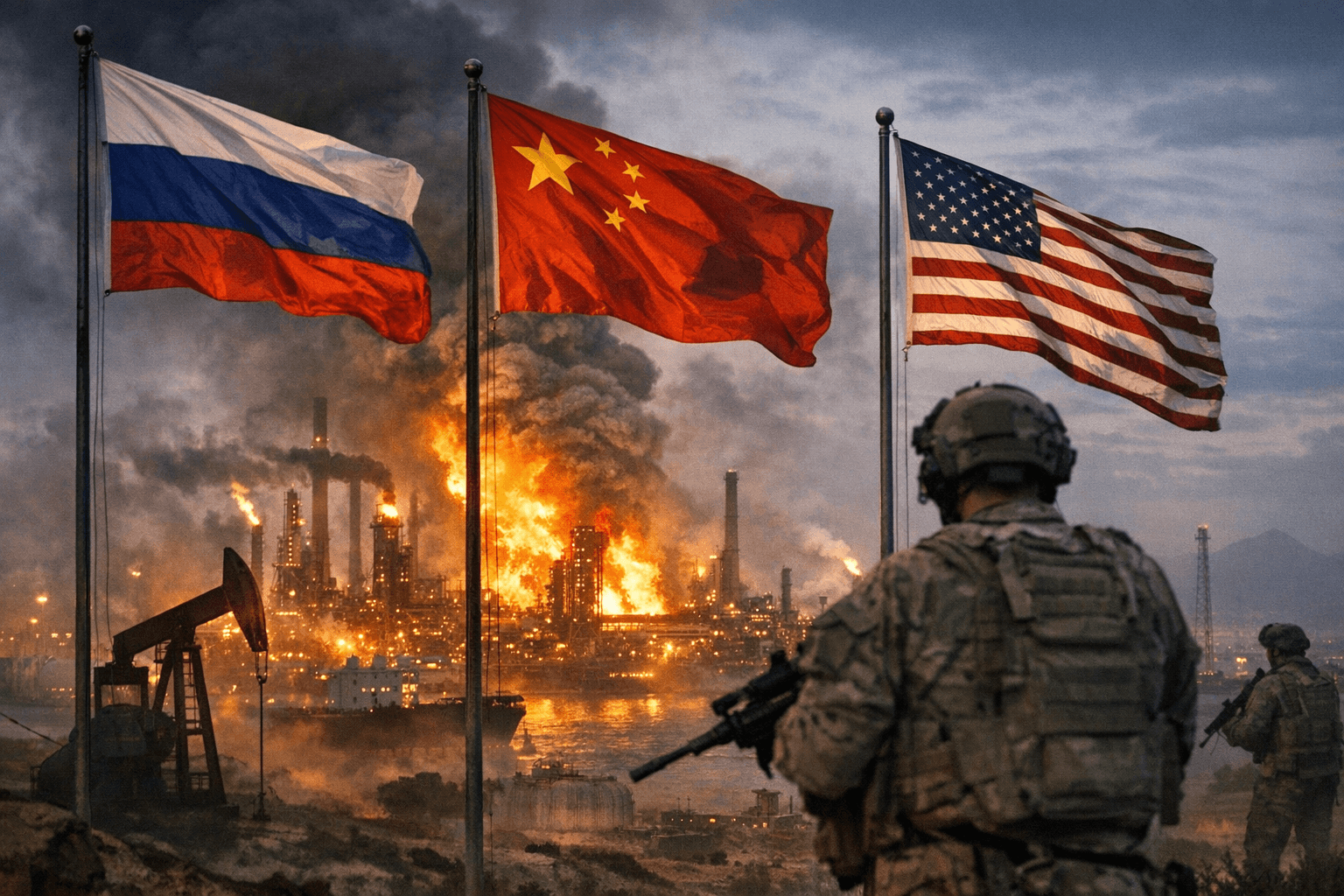
The structural realignment runs deeper than any single crisis. China and Iran formalized a 25-year comprehensive strategic partnership in 2021, Russia and Iran signed a 20-year partnership treaty in 2025, and all three countries signed a trilateral strategic pact in January 2026, seven weeks before the first strikes fell on Iranian soil. The conflict has since accelerated momentum within that framework. Beijing's 2026-2030 development blueprint, submitted to the National People's Congress in March, signals renewed urgency around overland energy infrastructure including the Power of Siberia 2 pipeline with Russia, a deliberate hedge against Middle Eastern volatility.
The Korea JoongAng Daily captured the central concern in an opinion column published Sunday: "The United States' war against Iran is increasingly turning into a quagmire, with China and Russia emerging as unexpected beneficiaries." The warning is that tactical battlefield gains may translate into strategic losses if Washington fails to guard diplomatic and economic frontiers simultaneously. Critics of that view note that a record number of countries voted against Iran in the UN, and that Russia and China did not use their veto power to support Tehran, a sign that Iran's international position was already eroding before the first strike.
Still, the arithmetic of distraction favors the rivals. As U.S. carriers, aircraft, and political capital concentrate in the Gulf, Beijing and Moscow are filling vacuums elsewhere: in trade corridors, multilateral forums, and the energy relationships that shape durable influence. The question for Washington is whether prosecuting this war can be separated from losing the competition that will outlast it.
This article was produced by Prism’s automated news system from verified source data, official records, and press releases, then run through automated quality and moderation checks before publishing. The system is built and supervised by the people who set the standards it runs under. Read our full AI policy.
Did this article answer your question?