U.S. Envoy Steve Witkoff and Jared Kushner Meet Putin in Moscow
The White House sent special envoy Steve Witkoff to Moscow where he and Jared Kushner are scheduled to meet President Vladimir Putin today to discuss a U.S. peace proposal for Ukraine. The talks mark a sensitive test of transatlantic coordination after earlier U.S. drafts alarmed Kyiv and European capitals over perceived concessions to Moscow.
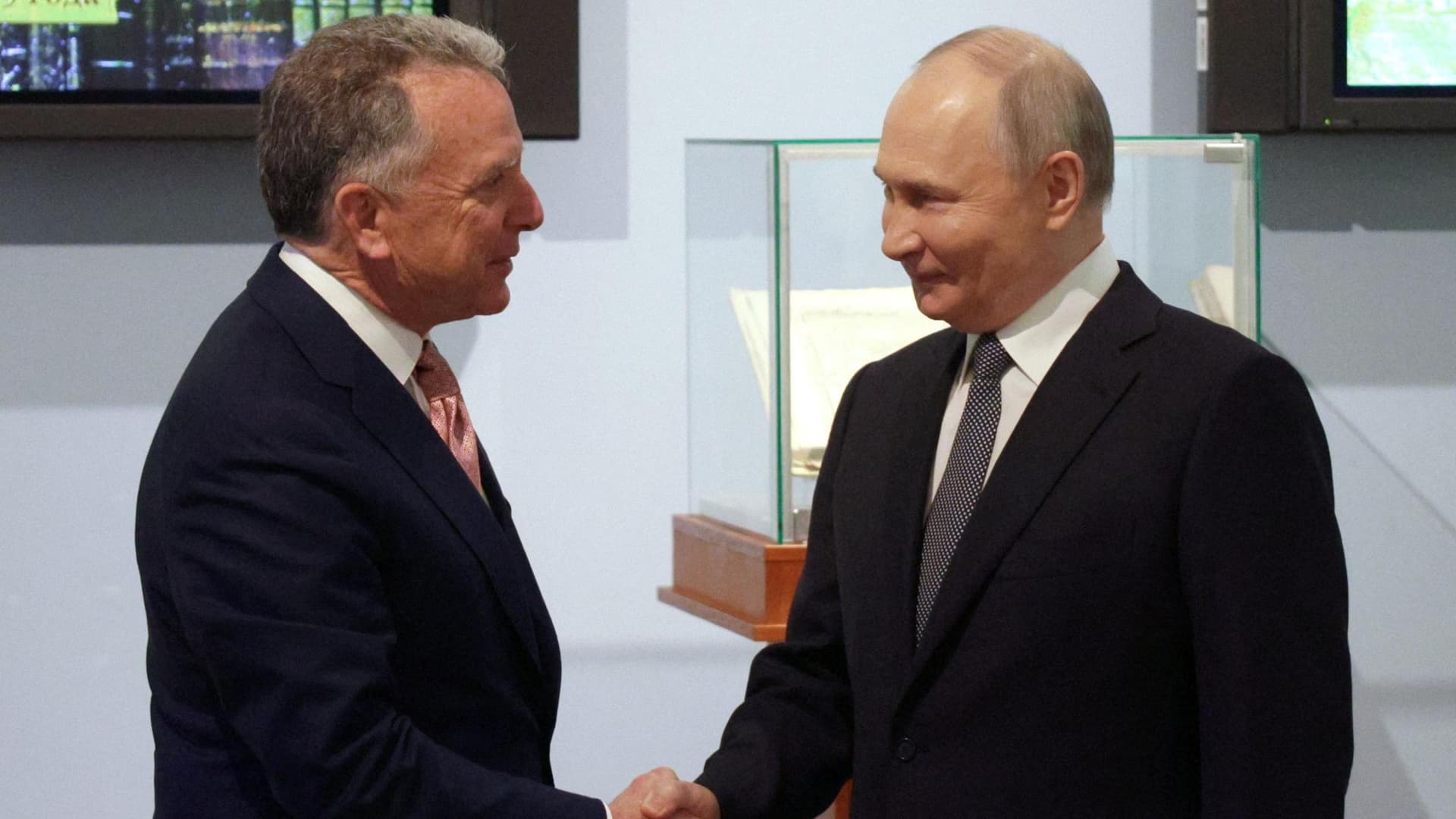
Steve Witkoff arrived in Moscow today alongside Jared Kushner, the elder White House team tasked with presenting a U.S. framework for ending the nearly four year war in Ukraine. The Kremlin said the delegation will meet President Vladimir Putin in the second half of the day, with Russian state outlets reporting that discussions are expected to begin after 5 p.m. Moscow time.
The mission represents a high stakes diplomatic push by the United States to find a pathway toward a ceasefire and a political settlement. U.S. officials have framed the engagement as part of a broader effort to refine proposals that negotiators have circulated in recent months. The trip follows meetings in Geneva and other capitals where U.S. envoys and Ukrainian representatives sought to update and tighten a security framework that might secure Kyiv while addressing Moscow’s stated concerns.
European and Ukrainian officials have publicly expressed unease about earlier U.S. draft texts that were seen as accommodating substantial Russian demands. Kyiv has maintained a cautious posture, insisting that any ultimate agreement must protect Ukrainian sovereignty and involve European partners in shaping the terms and guarantees. That insistence underscores a wider diplomatic dilemma for Washington, which must balance a desire to broker progress with the need to preserve cohesion within NATO and the European Union.
The presence of Jared Kushner, who played a prominent role in prior Middle East diplomacy, adds an unusual political dimension to the visit. His participation has drawn attention in Europe and among Ukrainian officials who are sensitive to perceptions that the United States might negotiate core security issues bilaterally with Moscow without fully integrating allied concerns. The current meetings therefore carry implications beyond the immediate content of any proposed text, touching on transatlantic trust and the architecture of security guarantees in Europe.

Analysts caution that any agreement perceived as rewarding territorial gains from military aggression would raise questions under international law and could set a precedent with repercussions beyond the region. International legal scholars and diplomats in Kyiv and Brussels have emphasized the need for explicit safeguards, mechanisms for verification, and meaningful roles for European institutions if a lasting settlement is to take root.
The outreach has already prompted high level responses across Europe, with capitals pressing for clarity on the U.S. position and reassurances that allied consultations will continue. For Kyiv, the priority remains retention of sovereignty and restoration of territorial integrity under international law. For Moscow, the talks represent an opportunity to secure formal recognition of gains or guarantees that address perceived threats from NATO expansion.
Today’s meeting in the Kremlin will therefore be watched closely not only for any immediate breakthroughs, but for signals about how Washington intends to reconcile its diplomatic initiative with allied demands and the legal principles that undergird the post war European order.
This article was produced by Prism’s automated news system from verified source data, official records, and press releases, then run through automated quality and moderation checks before publishing. The system is built and supervised by the people who set the standards it runs under. Read our full AI policy.
Did this article answer your question?