U.S. expected to reclassify marijuana, easing research and cannabis financing
Washington was poised to move marijuana into Schedule III, a shift that could ease research and cannabis taxes without ending federal control.

Federal marijuana policy was on the verge of its biggest shift in decades, with the Trump administration expected to move marijuana from Schedule I to Schedule III of the Controlled Substances Act. The change would not legalize cannabis nationwide, but it would mark a major federal retreat from the strictest drug category, the one that has long blocked research and complicated the legal market.
Schedule III would still keep marijuana under federal control, but it would place it alongside substances such as ketamine, testosterone and some common painkillers rather than in the same category as drugs deemed to have no accepted medical use. A Justice Department proposal published in 2024 said the move would be consistent with the Department of Health and Human Services’ view that marijuana has a currently accepted medical use and a lower abuse and dependence profile.
The practical effects could be significant. Researchers have faced barriers under Schedule I that make studies harder to start and more cumbersome to conduct. Rescheduling would reduce those obstacles and could open the door to more medical research on cannabis, its compounds and potential uses. For the industry, the change could also ease access to financing and improve operations for publicly traded cannabis companies that have spent years navigating a patchwork of state laws and federal restrictions.
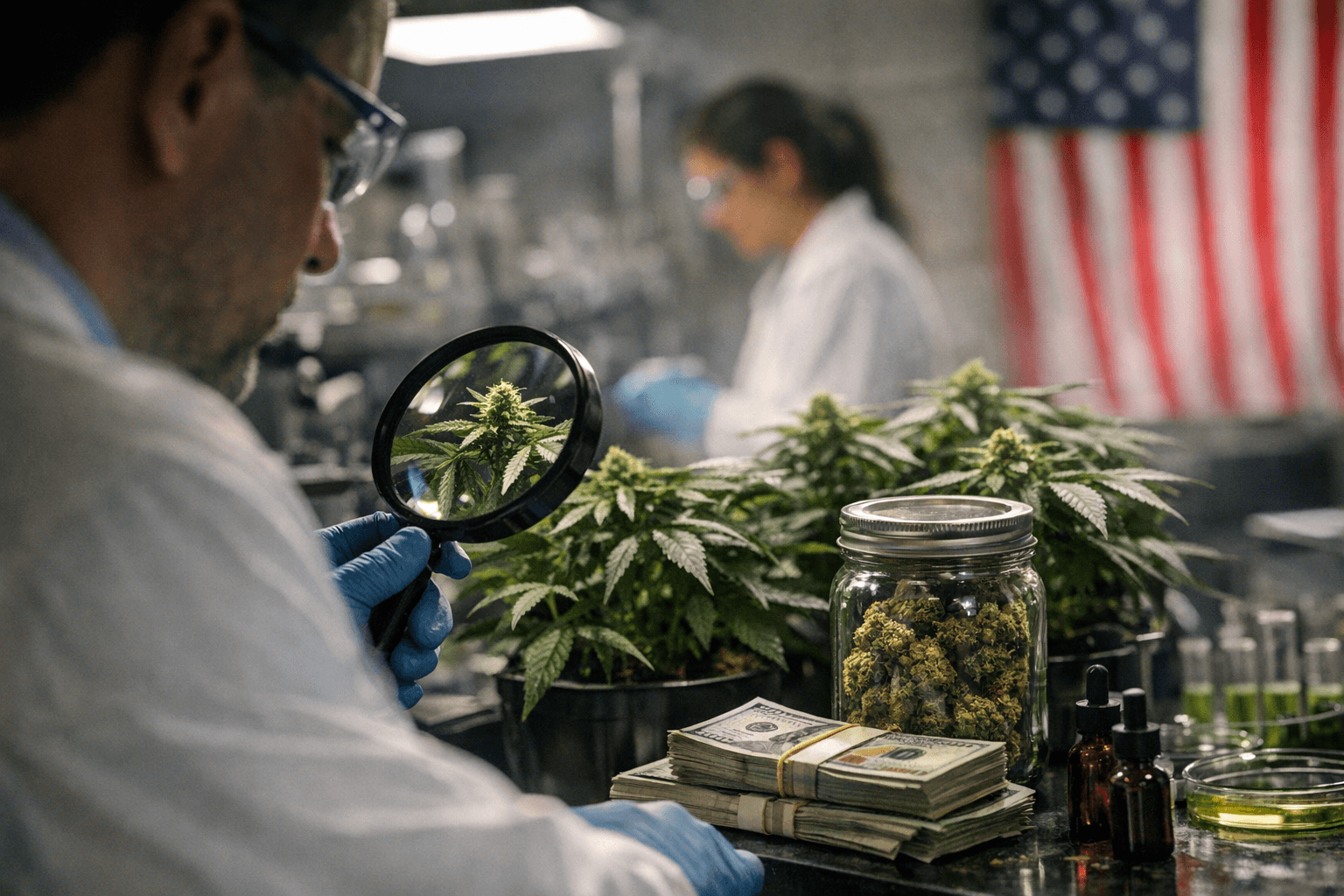
Tax treatment would also change. The Congressional Research Service has said Internal Revenue Code Section 280E currently denies marijuana businesses federal deductions and credits because marijuana is treated as a Schedule I substance. Moving to Schedule III would not erase all legal consequences, but it could materially reduce one of the harshest tax burdens facing cannabis operators.
The broader stakes are large. The Centers for Disease Control and Prevention says cannabis was the most commonly used federally illegal drug in the United States, with an estimated 61.9 million users in 2022. State law already reflects that reality: the National Conference of State Legislatures says 24 states have legalized recreational marijuana and 38 allow medical marijuana.
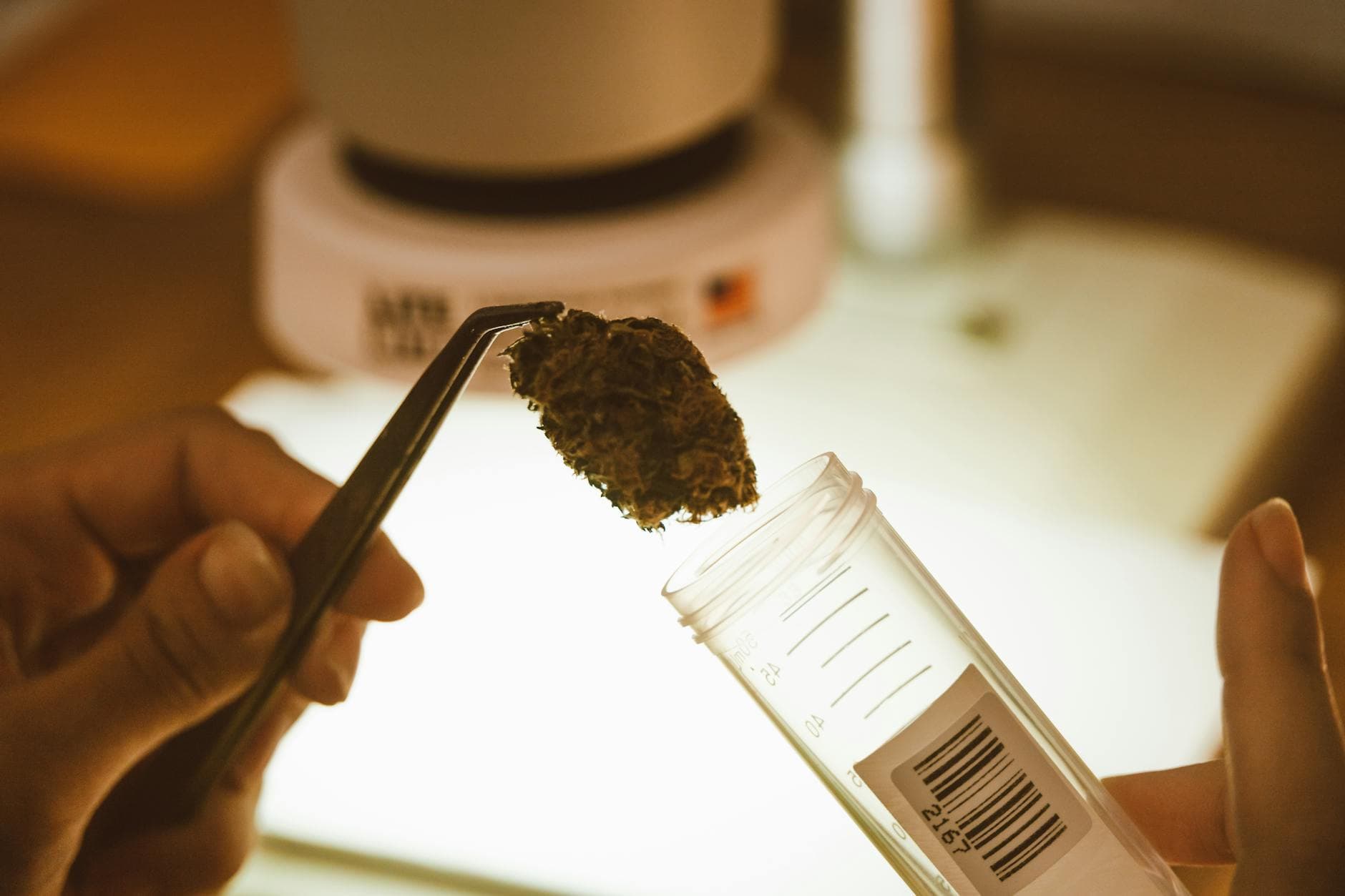
The move has also been building for months. In May 2024, the Drug Enforcement Administration issued a notice of proposed rulemaking to transfer marijuana from Schedule I to Schedule III, and the Congressional Research Service has noted that the rule would still have to move through the full rulemaking process before taking effect. The Department of Justice’s Office of Legal Counsel has said the DEA could meet international treaty obligations by placing marijuana in Schedule III while adding further restrictions.
For cannabis companies including Trulieve Cannabis Corp., Canopy Growth Corporation and Tilray Brands, the shift would matter as much for balance sheets as for policy. It would not end federal oversight, but it would signal a substantial change in Washington’s approach to an industry already operating across much of the country.
Know something we missed? Have a correction or additional information?
Submit a Tip