U.S. faces severe labor shortage as population growth slows
Labor force participation is projected to fall to 60.4% by 2032 as the U.S. adds only 5.2 million jobs through 2034, tightening care, construction and health care.
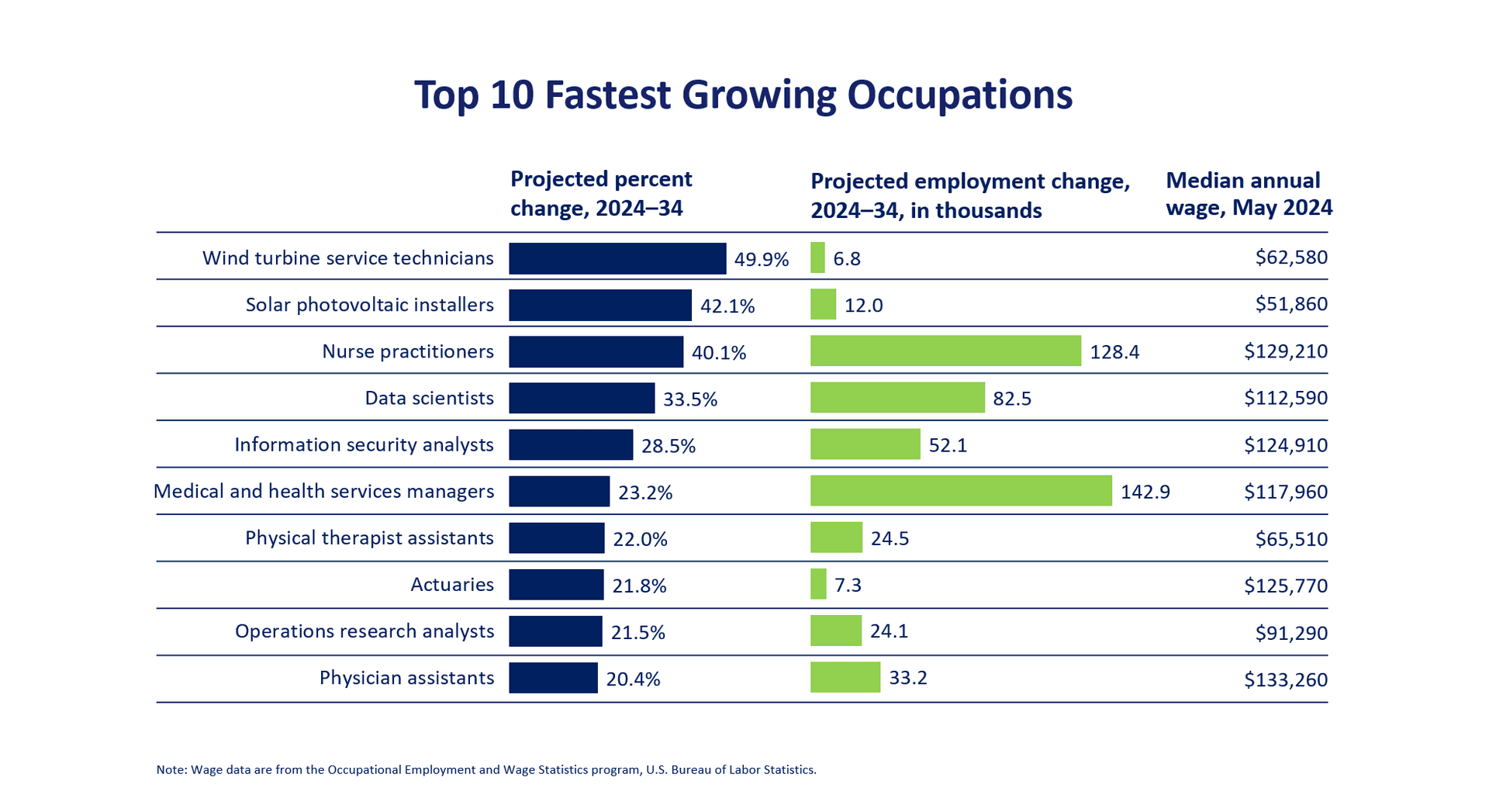
The U.S. Bureau of Labor Statistics projects labor force participation will fall to 60.4% by 2032, even as the economy adds 5.2 million jobs from 2024 to 2034 and total employment rises to 175.2 million. That same forecast says employment growth will average 0.3% a year and slow to 3.1% over the decade, well below the 13.0% expansion recorded from 2014 to 2024.
The warning is not just about a smaller labor pool. The White House’s 2024 Economic Report said declining birthrates and death rates are slowing U.S. population growth, a shift that makes the work force math harder over time. A 2019 Brookings Institution paper reached a similar conclusion, arguing that slower population growth and lower labor force participation will constrain labor supply in coming decades. The Population Reference Bureau has said the demography of births, deaths and migration tells the story better than simple claims about worker attitudes or pay.
The pressure is already visible in caregiving. U.S. aging is accelerating demand, with older adults expected to grow from 56 million in 2020 to 74 million by 2030, and to make up one in five Americans by then, according to USAging. PHI has estimated that nearly 2.3 million home care workers already provide help to older adults and people with disabilities, while the sector will need to fill 4.2 million home care worker openings from 2016 to 2026. The Health Resources and Services Administration’s National Center for Health Workforce Analysis said in its November 2024 workforce brief that high-quality care depends on a well-trained, adequately supplied and well-distributed health care workforce.

Construction faces a parallel squeeze. The Bureau of Labor Statistics projected the industry would add 380,100 jobs over the next decade, a 5.6% increase, even as builders continue to report skilled labor gaps. That matters for housing supply, public works and repairs, all of which depend on a workforce that is already hard to replace.
The policy debate now turns on which levers can work at national scale. Immigration is the fastest way to offset a shrinking U.S.-born labor force. Delayed retirement can help, but only if older workers are healthy enough and wages make staying on worthwhile. Automation may take pressure off some jobs, but it cannot replace hands-on work in nursing homes, home care, or construction sites. Training and apprenticeship programs can widen the pipeline, yet they move too slowly to solve the next decade on their own. A Bloomberg Television interview on Feb. 13, 2025 framed the shortage as a risk that could stall economic growth, and the next BLS projections suggest that risk is no longer remote.
This article was produced by Prism’s automated news system from verified source data, official records, and press releases, then run through automated quality and moderation checks before publishing. The system is built and supervised by the people who set the standards it runs under. Read our full AI policy.
Did this article answer your question?