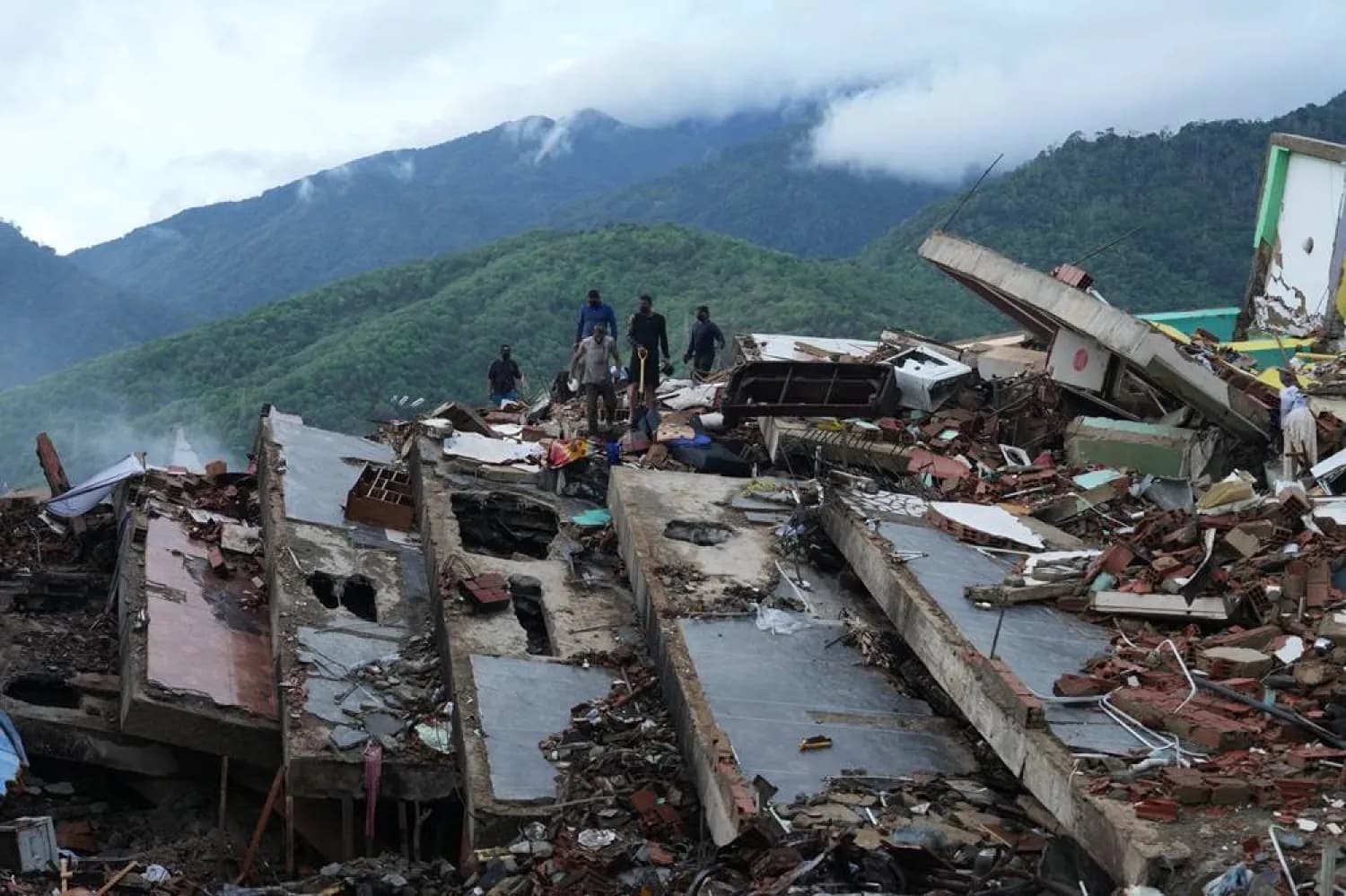
U.S. Forces Kill Two in Eastern Pacific Drug Vessel Strike
U.S. military forces struck a boat in international waters of the eastern Pacific on December 29, killing two men, the Southern Command announced. The operation is the latest in a campaign the administration calls Operation Southern Spear, raising urgent questions about legal authority, civilian risk, and regional implications.

U.S. Southern Command said Joint Task Force Southern Spear carried out a strike on a vessel in international waters of the eastern Pacific on December 29, killing two men and causing no U.S. casualties. The command posted a statement on X saying the action was taken "at the direction of @SecWar Pete Hegseth" and described it as a "lethal kinetic strike" against a boat it said was operated by "Designated Terrorist Organizations." A video posted alongside the announcement showed a moving vessel struck by an explosion and a second frame of a stationary hull on fire.
The December 29 attack is the latest in a campaign the administration has publicly identified as Operation Southern Spear or a series of operations by Joint Task Force Southern Spear. Officials have said this is at least the 30th known strike on suspected drug smuggling boats since early September and that the cumulative death toll stands at least 107 people. U.S. officials emphasized no service members were harmed in the most recent action.
Administration spokespeople have characterized those targeted as unlawful combatants and in some statements labeled deceased individuals "male narco-terrorists." The White House has asserted a legal basis for conducting lethal strikes without judicial review that rests on a classified Justice Department determination, a justification the administration has cited to defend the campaign's scope and tempo.
The operations have provoked sharp criticism from lawmakers, human rights groups, and rights advocates who say the program lacks transparency and adequate safeguards to protect civilians. Central to that debate are allegations surrounding several strikes earlier this fall, including a contested episode in early September when a follow up attack reportedly hit survivors in the water. That "double tap" allegation has intensified calls for independent inquiry and for clearer rules of engagement at sea.
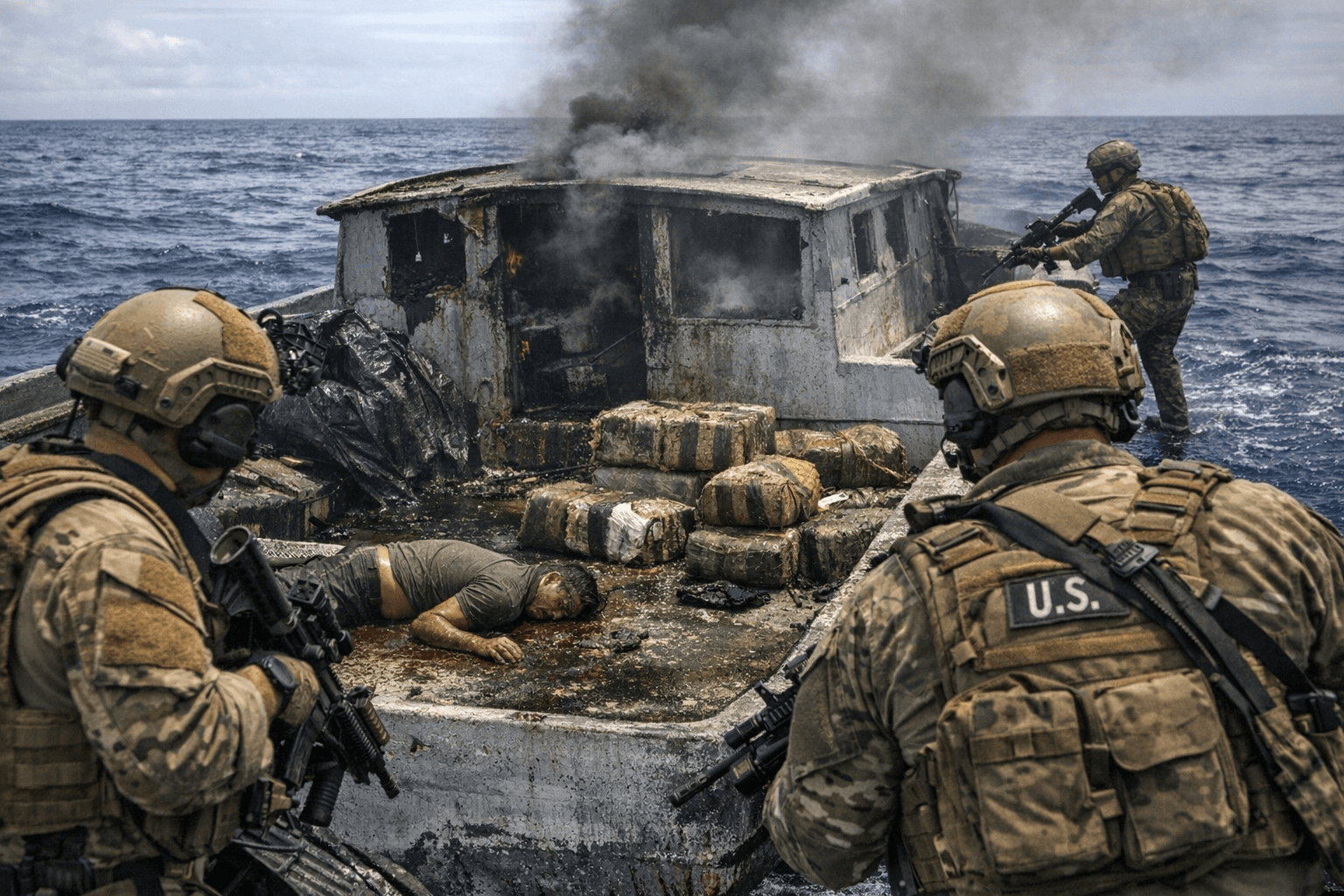
Some news organizations have reported allegations that Secretary Hegseth gave a verbal order to special operations units to "leave no survivors." The Pentagon has pushed back on that account. Sean Parnell, a Pentagon public affairs spokesperson, said, "This entire narrative is completely false." Families in the Caribbean have come forward with claims that relatives who worked as fishermen or otherwise traveled frequently by boat are missing and may have been killed in earlier incidents, and some families have publicly denied that their relatives were involved in trafficking.
The strikes occur in a sensitive maritime zone adjacent to the coasts of Latin American states that face their own challenges with organized crime and migration. International maritime law allows states to act in international waters under certain conditions, but lethal force at sea raises complex questions about jurisdiction, evidence standards, and post strike investigation. Legal scholars and diplomats say the use of force against nonstate actors operating on the high seas tests longstanding norms and could produce diplomatic friction with countries that see their citizens swept up by U.S. operations.
U.S. officials argue the campaign seeks to disrupt narcotics flows that fuel violence across the hemisphere. Critics counter that the absence of public legal documents, limited independent oversight, and the reported civilian casualties demand stronger congressional and judicial scrutiny. As the tally of strikes and deaths has grown, those tensions are likely to shape legislative, judicial, and international responses in the weeks ahead.
This article was produced by Prism’s automated news system from verified source data, official records, and press releases, then run through automated quality and moderation checks before publishing. The system is built and supervised by the people who set the standards it runs under. Read our full AI policy.
Did this article answer your question?