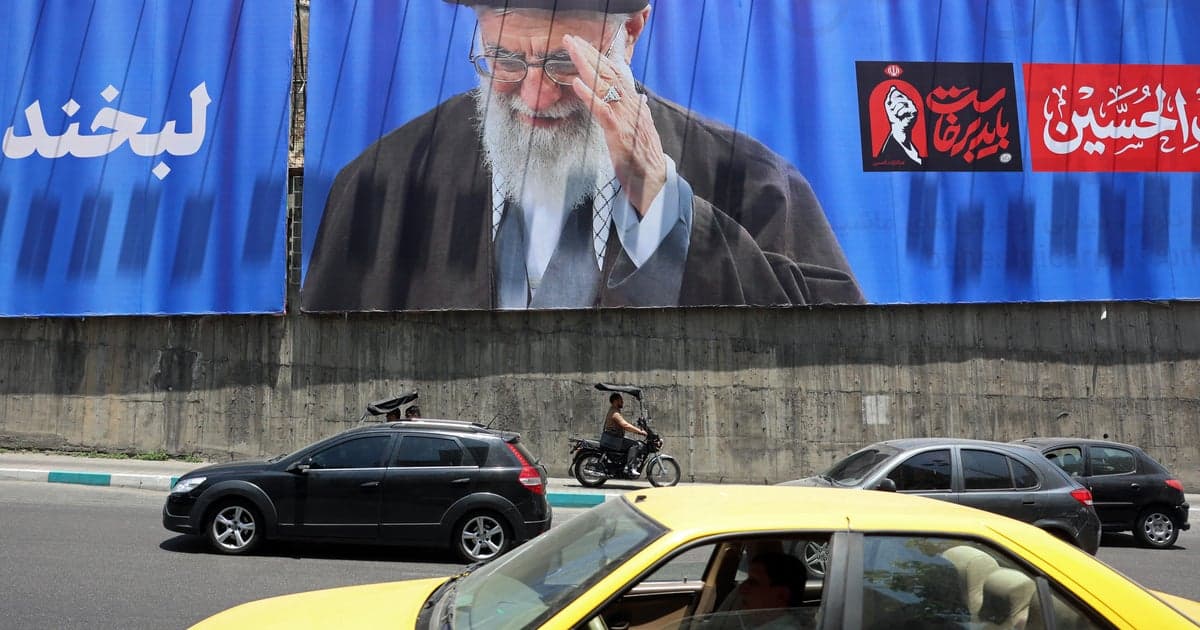
U.S. Forces Rescue Air Force Officer After Plane Shot Down Over Iran
A CIA deception campaign and dozens of aircraft freed a U.S. Air Force colonel stranded for over a day in Iranian mountain terrain after his F-15E was shot down.
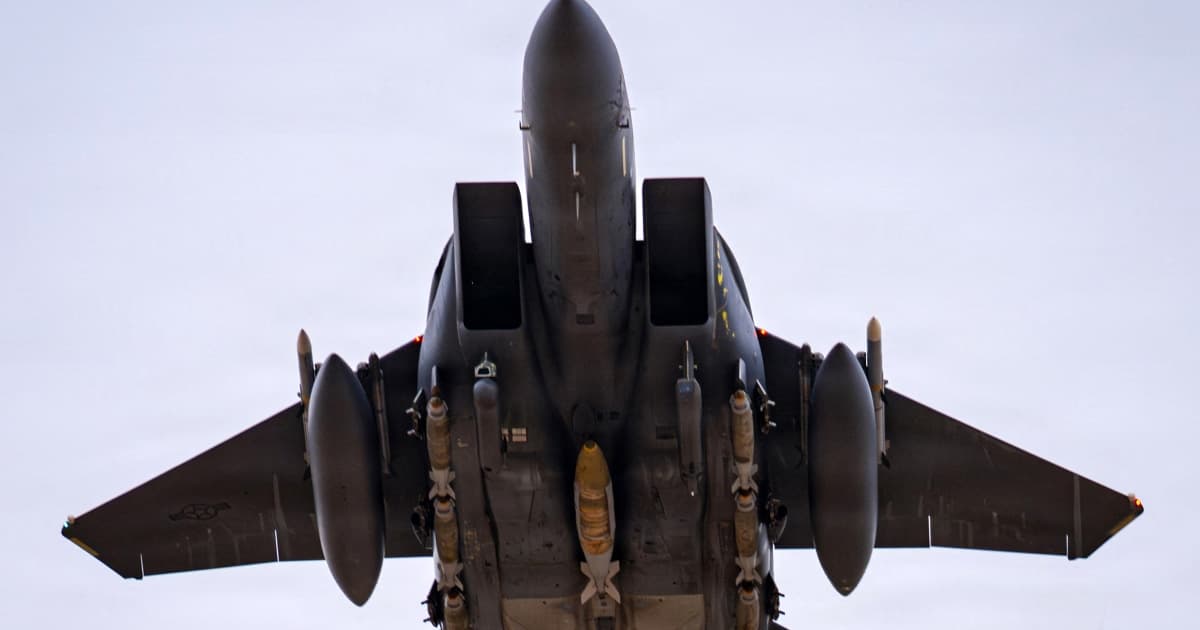
A U.S. Air Force weapons systems officer, identified by President Trump as a colonel, was rescued from inside Iranian territory early Sunday after surviving more than a day alone in the treacherous mountains of Iran with only a handgun to defend himself, evading Iranian forces that had been dispatched to capture him.
Trump announced the rescue on Truth Social with a post that opened "WE GOT HIM!" He described the mission as "one of the most daring Search and Rescue Operations in U.S. History" and confirmed the colonel "sustained injuries, but he will be just fine." No Americans were killed in the rescue operation, Trump said.
The colonel was the weapons systems officer aboard an F-15E Strike Eagle from the 48th Fighter Wing that Iran's Islamic Revolutionary Guard Corps shot down on Friday, April 3. The aircraft's pilot had been recovered within hours of the crash. The WSO's rescue, executed by U.S. Central Command with CIA support, came only after a dramatically more complex two-day operation that drew in hundreds of special operations forces and dozens of aircraft.
The CIA's role was central. Before the officer's location was known, the agency launched a deliberate deception campaign, spreading word inside Iran that U.S. forces had already found him and were moving him on the ground toward exfiltration. While Iranian forces scrambled in confusion, the CIA used what a senior administration official described as "unique, exquisite capabilities" to track the colonel to a mountain crevice near Dehdasht, in the Kohgiluyeh region. The agency relayed his precise location to the Pentagon and the White House, and Trump ordered an immediate rescue mission from the Situation Room.
IRGC forces had also deployed to the region specifically to block a rescue. U.S. Air Force jets struck Iranian ground forces to clear a path. During the earlier rescue of the pilot, Iran had hit a U.S. Black Hawk helicopter, wounding crew members aboard, though the aircraft remained airborne. Two transport planes that had landed at a remote base inside Iran could not take off during the WSO rescue and were destroyed on the ground to prevent capture; commandos evacuated on three additional aircraft rushed in as replacements.
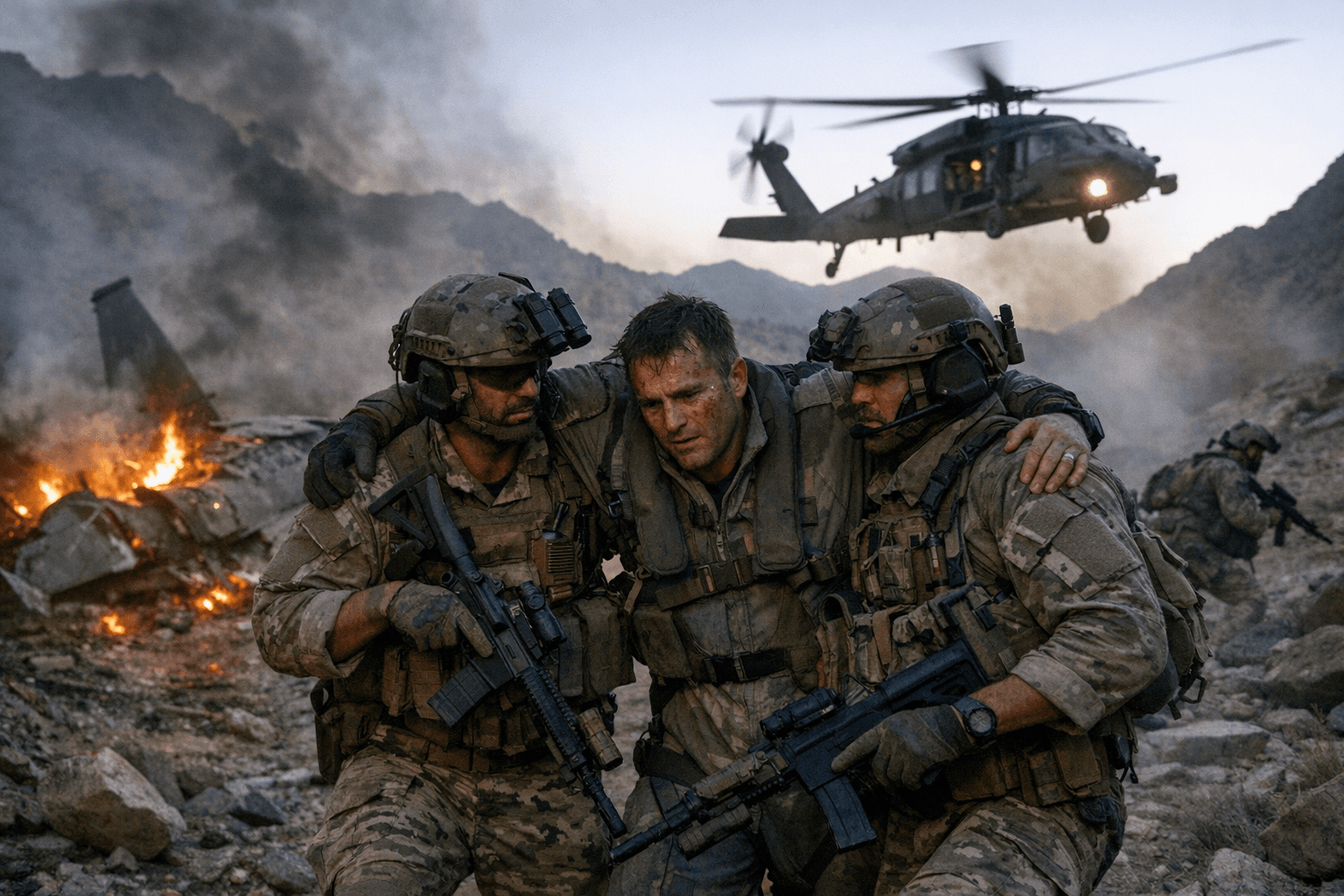
The shootdown marked the first time a manned U.S. aircraft was confirmed shot down in combat in more than 20 years, according to retired Air Force Brig. Gen. Houston Cantwell, a former F-16 pilot. It directly contradicted a posture the Trump administration had aggressively promoted. Defense Secretary Pete Hegseth had declared U.S. air dominance over Iran near-absolute, and Trump himself said in a prime-time address that Iran had "no anti-aircraft equipment" and that "their radar is 100% annihilated." The IRGC's successful engagement of an F-15E punctured those claims before the rescue mission restored a measure of operational momentum.
Three F-15s had previously been downed on March 1 in a friendly-fire incident when Kuwaiti air defenses engaged them in error, U.S. Central Command confirmed at the time. The combined loss of four aircraft since the conflict began on February 28 poses mounting pressure on U.S. officials to reconcile public messaging about dominance with a theater that has clearly retained the capacity to threaten American aircraft.
With the colonel now safe, Trump simultaneously escalated pressure on Tehran, warning that Iran has 48 hours to reopen the Strait of Hormuz, a corridor through which a substantial share of global oil supply flows. Whether Iran responds to the rescue operation with retaliatory strikes, or to that ultimatum with compliance, will determine whether Sunday's mission closes a chapter or opens a more dangerous one.
This article was produced by Prism’s automated news system from verified source data, official records, and press releases, then run through automated quality and moderation checks before publishing. The system is built and supervised by the people who set the standards it runs under. Read our full AI policy.
Did this article answer your question?