U.S. gang terror designation raises investor worries in Brazil
Washington’s move against Brazil’s top two gangs jolted markets, with officials warning it could chill foreign capital, banking and trade far beyond policing.

A U.S. terror designation aimed at Brazil’s two biggest criminal gangs quickly became a business problem, not just a security one. Finance minister Dario Durigan warned that labeling Comando Vermelho and Primeiro Comando da Capital could create a new investment risk for Brazil, as banks, exporters and foreign funds begin to weigh how anti-terror rules might affect payments, compliance checks and reputational exposure.
The State Department said it designated the gangs as Specially Designated Global Terrorists on May 28 and intended to add them as Foreign Terrorist Organizations effective June 5. It said the groups command thousands of members and have carried out brutal attacks against Brazilian police officers, public officials and civilians. For Brasília, the immediate issue is not only policing cooperation with Washington but how the label could change the way global markets treat Brazil-linked transactions.
That concern is rooted in the scale of the country’s financial ties to the outside world. Brazil is the largest destination for foreign direct investment in Latin America and the fifth-largest destination globally for FDI flows, with $66 billion in inflows in 2023. Brazil’s foreign direct investment stock reached $1.141 trillion in 2024, equal to 46.6% of GDP. Those figures help explain why even a designation aimed at gangs can rattle executives who rely on stable access to capital, correspondent banking and predictable cross-border rules.
Brazil’s government called the move counterproductive and a threat to national sovereignty. The decision also carried a domestic political edge, after appeals from opposition figures in Brasília and lobbying in Washington by the sons of former president Jair Bolsonaro. That overlap of crime policy and partisan conflict has heightened the sense that the issue could widen into a broader dispute between the two governments.
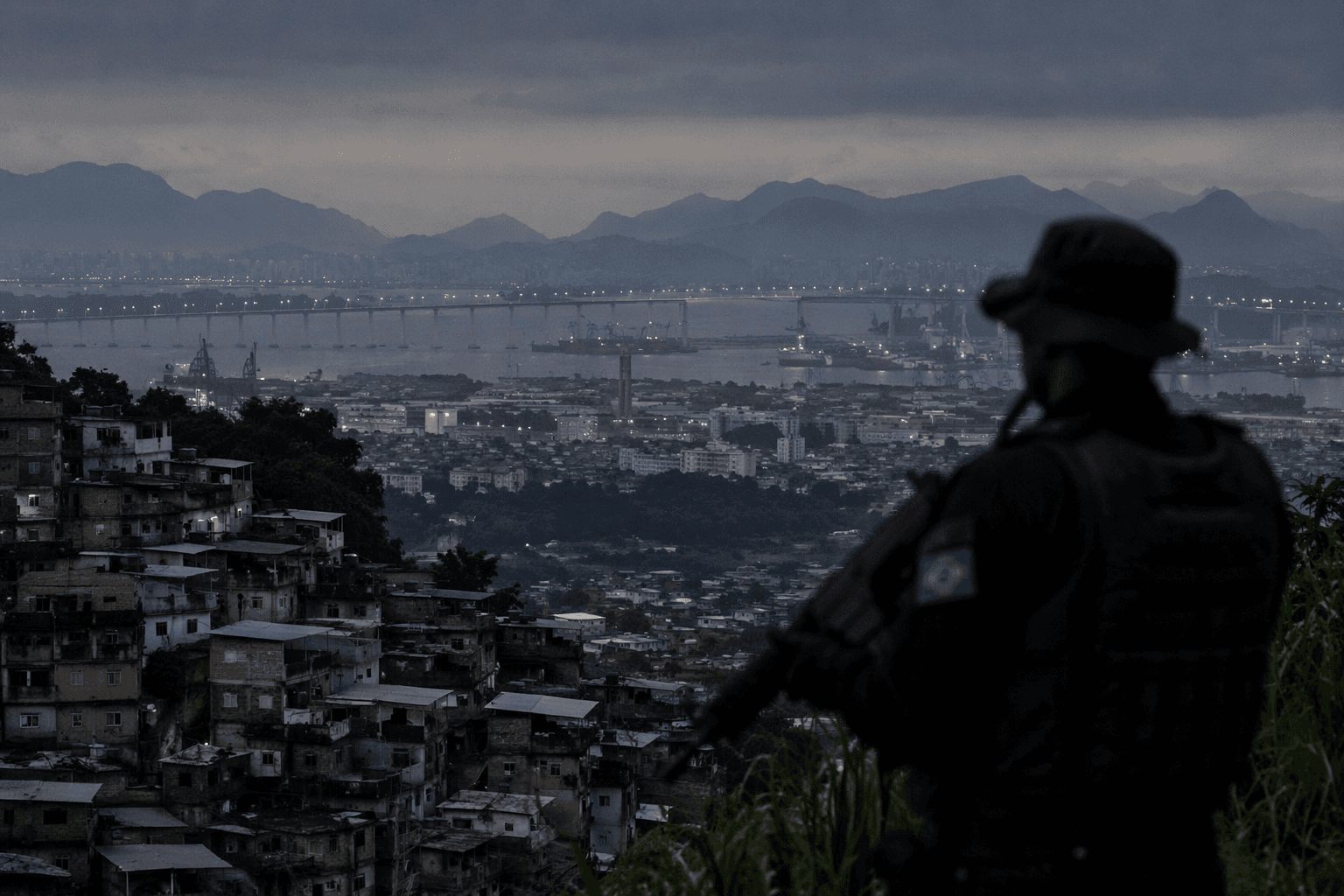
For banks and companies, the practical risk is higher compliance friction. Terrorism-related labels can lead financial institutions to scrutinize transactions more aggressively, especially in sectors already under investigation for criminal money flows. Brazilian authorities have recently targeted organized-crime networks moving funds through fuel, payments and fintech channels, including a multibillion-dollar fraud and laundering probe. In a country that counts around 80 criminal gangs and armed militias competing for territory and trafficking routes, that makes the line between criminal enforcement and financial risk even thinner.
The groups now at the center of the dispute have deep roots in Brazil’s prison system. Primeiro Comando da Capital was founded in São Paulo in 1993 after the Carandiru massacre, while Comando Vermelho emerged from a prison alliance during the military dictatorship in the 1970s. Their long reach into street crime, prisons and illicit finance has made them a law-enforcement priority for years. Now, with Washington’s label in place, they have become a test of how quickly a security decision can spill into investment, banking and trade across Latin America’s largest economy.
This article was produced by Prism’s automated news system from verified source data, official records, and press releases, then run through automated quality and moderation checks before publishing. The system is built and supervised by the people who set the standards it runs under. Read our full AI policy.
Did this article answer your question?

