U.S. homebuilder confidence falls as mortgage rates stay high
Builders are cutting prices and leaning on incentives as the housing market index fell to 35, while 30-year mortgage rates held at 6.52% and affordability stayed strained.
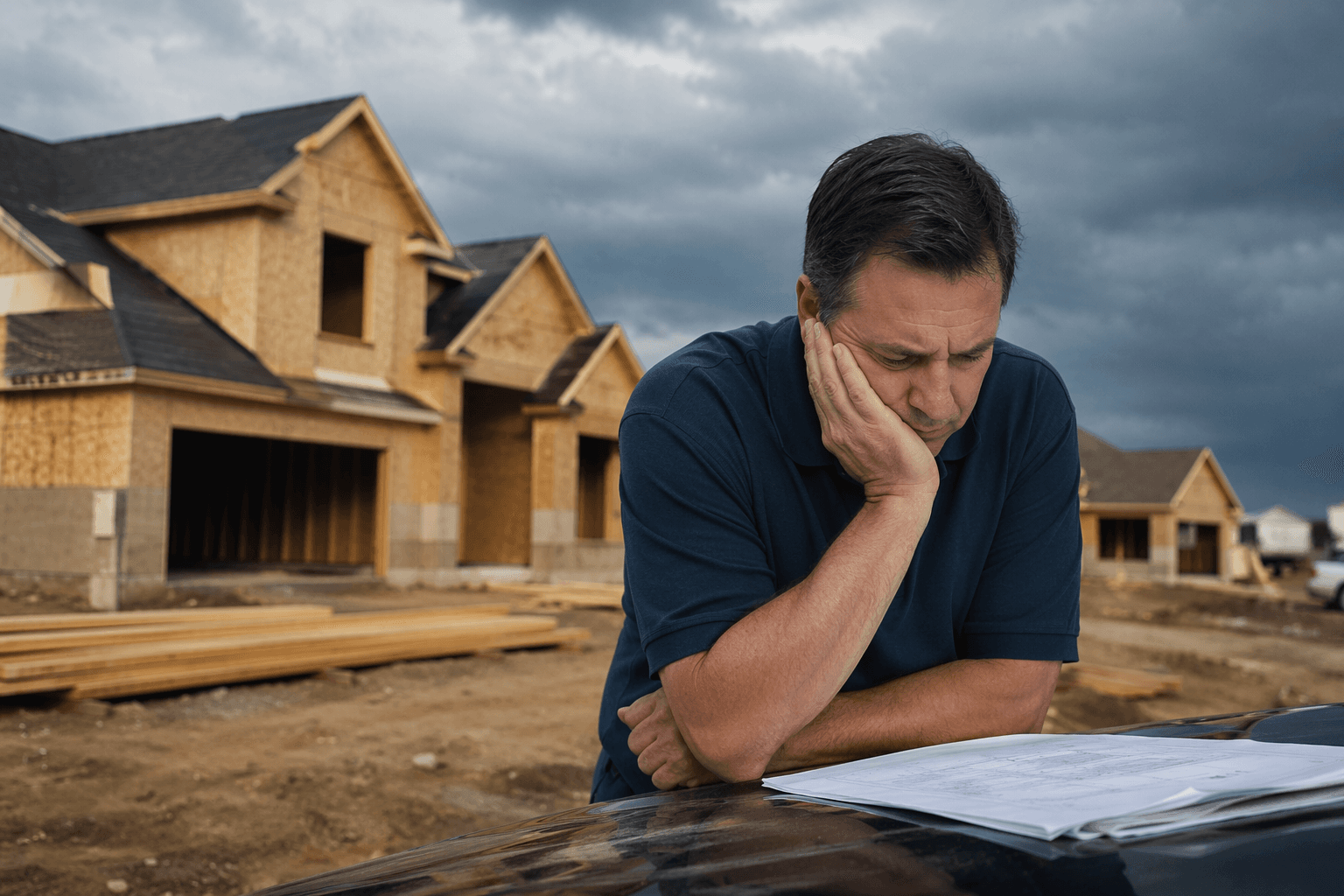
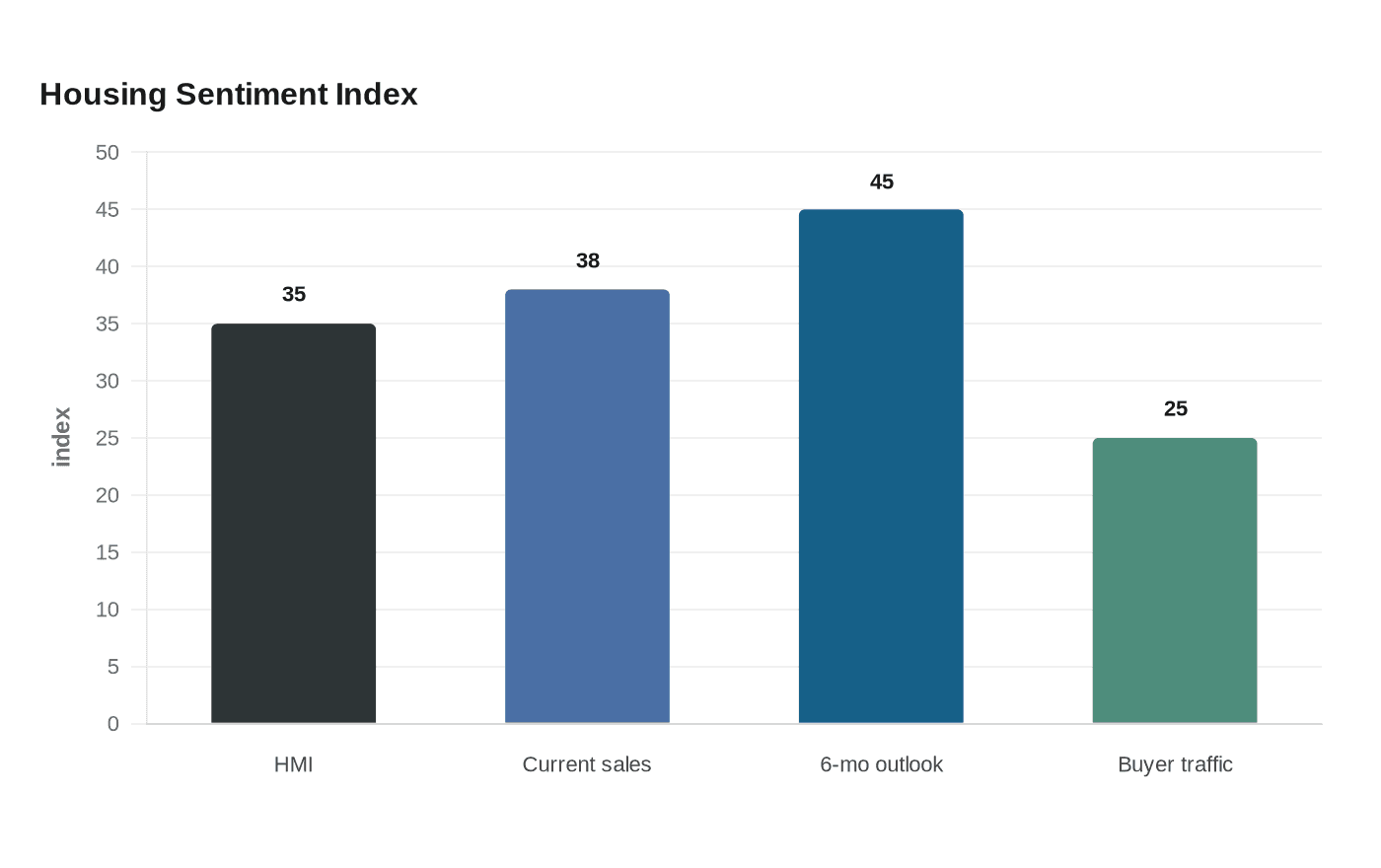
Homebuilder confidence slipped again in June as mortgage rates stayed elevated, construction costs remained high and buyers kept pulling back under the weight of affordability pressures. The National Association of Home Builders/Wells Fargo Housing Market Index fell two points to 35, its 14th straight month below 40 and the longest such stretch since the 2011-2012 foreclosure crisis.
The June reading showed a mixed picture inside the industry, but not a healthy one. Current sales conditions fell two points to 38, sales expectations for the next six months held at 45 and traffic of prospective buyers remained unchanged at 25. Builders responded by getting more aggressive on price: 35% cut prices in June, up from 32% in May, while the average reduction stayed at 6%. Another 62% used sales incentives, up from 61% in May, marking the 15th consecutive month that at least 60% of builders leaned on concessions to move homes.
The financing backdrop remained a major drag. Freddie Mac said the average rate on a 30-year fixed mortgage was 6.52% for the week ending June 11, up from 6.48% a week earlier, though still below 6.84% a year ago. NAHB has said high interest rates were the most significant challenge builders faced in 2025, and 65% of builders expect rates to remain a problem in 2026. That matters because higher borrowing costs hit both sides of the market: buyers face larger monthly payments, and developers face a weaker case for starting new projects.
Costs outside mortgage rates are adding to the squeeze. NAHB said single-family building declined across all regions in the first quarter of 2026 because of high material costs and elevated interest rates. Its housing outlook also points to rising material and labor prices, along with policy uncertainty, as persistent headwinds. In a separate study, the trade group said federal, state and local regulations add $131,734 to the cost of a new single-family home, equal to 26.4% of the average sales price of $499,500 as of January 2026.
The result is a market where builders are trying to preserve demand with discounts and incentives even as the economics of new construction remain tight. Weak sentiment often shows up later in fewer housing starts, slower construction hiring and a thinner pipeline of new supply. Until mortgage costs ease and builder input costs stop rising so quickly, the industry is likely to keep defending sales one price cut at a time.
This article was produced by Prism’s automated news system from verified source data, official records, and press releases, then run through automated quality and moderation checks before publishing. The system is built and supervised by the people who set the standards it runs under. Read our full AI policy.
Know something we missed? Have a correction or additional information?
Submit a Tip