U.S. imposes travel restrictions over Ebola outbreak in East Africa
Federal health officials imposed 30-day Ebola travel curbs on visitors from Uganda, Congo and South Sudan as the White House faced fresh scrutiny over a $1.776 billion DOJ claims fund.
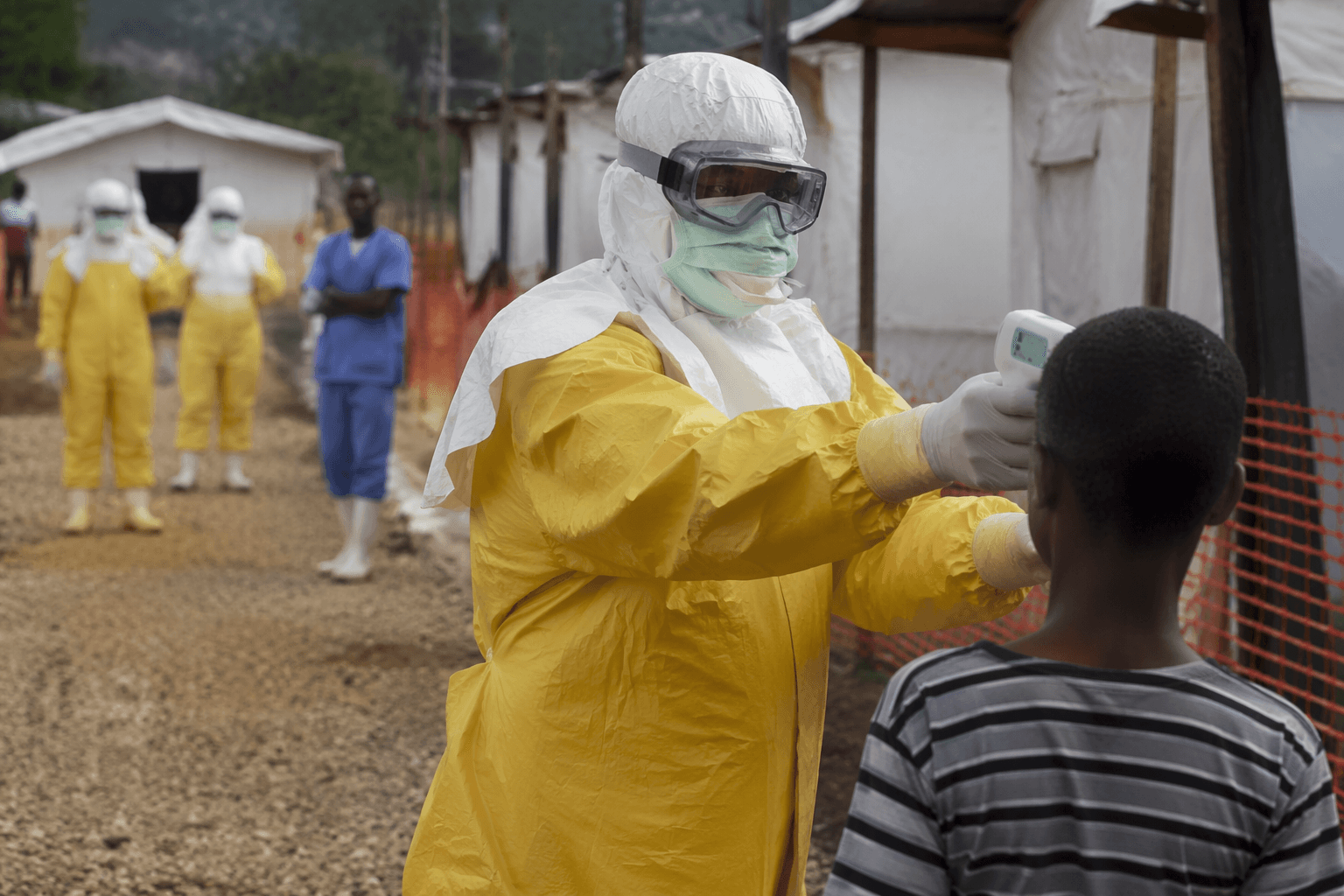
Federal health officials moved to slow Ebola’s spread into the United States on May 18, imposing 30-day travel restrictions, enhanced screening and other public health measures on non-U.S. passport holders who had been in Uganda, the Democratic Republic of the Congo or South Sudan within the previous 21 days. The Centers for Disease Control and Prevention said the immediate risk to the general U.S. public remained low, but it also stepped up port health protections, contact tracing, laboratory testing capacity and hospital readiness nationwide.
The response widened quickly beyond border controls. The State Department said it created an interagency coordination cell in Washington, D.C., within 24 hours of learning of confirmed cases on May 15, activated its outbreak response plan within 48 hours and initially mobilized $13 million in foreign assistance. U.S. embassies in the Democratic Republic of the Congo, Rwanda, South Sudan and Uganda were tracking developments and communicating with Americans in the region. Reporting on the outbreak said at least one American doctor working in the outbreak zone had been infected and was being relocated to Germany for treatment, while family members and colleagues were also being monitored.
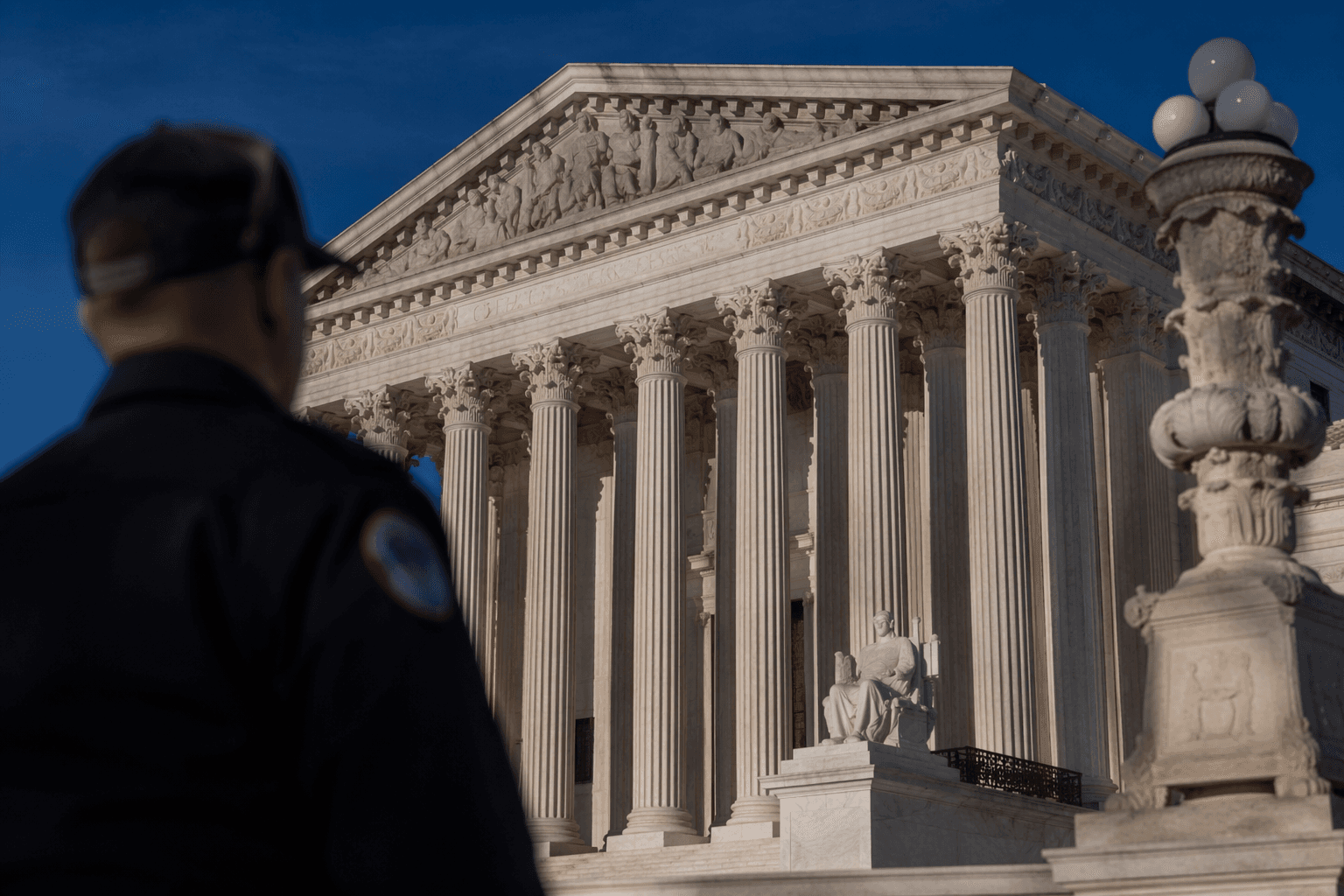
The travel order landed at the same moment the Justice Department unveiled a separate decision that fed a different kind of public unease: the creation of a $1.776 billion Anti-Weaponization Fund as part of the settlement in Donald J. Trump v. Internal Revenue Service. The department said the money would come from the federal judgment fund, be overseen by a five-member commission appointed by the attorney general and stop processing claims no later than December 1, 2028. Any remaining balance would revert to the federal government.
That settlement resolved a lawsuit brought by Donald J. Trump, Donald Trump Jr., Eric Trump and the Trump Organization after the leak of their tax returns, with the plaintiffs agreeing to drop the case with prejudice and withdraw related administrative claims. But the fund drew sharp criticism from Democrats and some Republicans, including Patty Murray, Chris Van Hollen and Mitch McConnell, who warned that the arrangement looked less like routine compensation than a politically loaded use of federal money. Acting Attorney General Todd Blanche defended the structure at a Senate Appropriations hearing on May 19, but would not rule out payments to people who had assaulted police officers, committed violent crimes or donated to Trump.
Taken together, the Ebola restrictions and the DOJ fund exposed the same pressure point in Washington: whether federal power, exercised quickly in a crisis or through a legal settlement, can still command public trust when the stakes are high and the politics are louder.
This article was produced by Prism’s automated news system from verified source data, official records, and press releases, then run through automated quality and moderation checks before publishing. The system is built and supervised by the people who set the standards it runs under. Read our full AI policy.
Did this article answer your question?