U.S. Intelligence Says Iran Unwilling to Negotiate, Contradicting Trump's War Timeline
U.S. spy agencies assessed Iran refuses to negotiate, even as Trump promised an exit in "maybe two weeks, maybe three."

Multiple U.S. intelligence agencies assessed this week that the Iranian government is not currently willing to engage in substantial negotiations to end the ongoing conflict, directly undercutting President Trump's repeated assurances that an American exit was just weeks away.
The finding landed less than 24 hours after Trump told reporters on March 31 that the U.S. could leave Iran in "maybe two weeks, maybe three," remarks he offered in response to a question about rising gas prices, claiming prices would fall once American forces departed. The White House simultaneously announced Trump would deliver a national address to provide an "important update" on the conflict.
Operation Epic Fury, formally launched on February 28, 2026, is now in its fifth week, already straining against Trump's original stated timeline of four to five weeks to conclude the campaign. Approximately 50,000 U.S. troops remain deployed across the Middle East with no ceasefire in sight.
Senior Iranian officials offered little to contradict the intelligence picture. Kamal Kharazi, a senior adviser to the Iranian government, told CNN he believed Iran could sustain the conflict for an extended period and saw no room for diplomacy. Foreign Minister Abbas Araghchi had set a precondition as far back as January 2026: Iran would consider U.S. proposals only after the military threat was removed first, a condition Washington has not accepted.
That impasse has roots in failed pre-war diplomacy. Indirect U.S.-Iran talks were held in Muscat, Oman on February 6, 2026, mediated by Omani Foreign Minister Badr bin Hamad Al Busaidi, but Secretary of State Marco Rubio publicly expressed doubt about their effectiveness. Washington transmitted a 15-point plan to Tehran; Iran's ambassador publicly denied any direct or indirect talks had occurred.
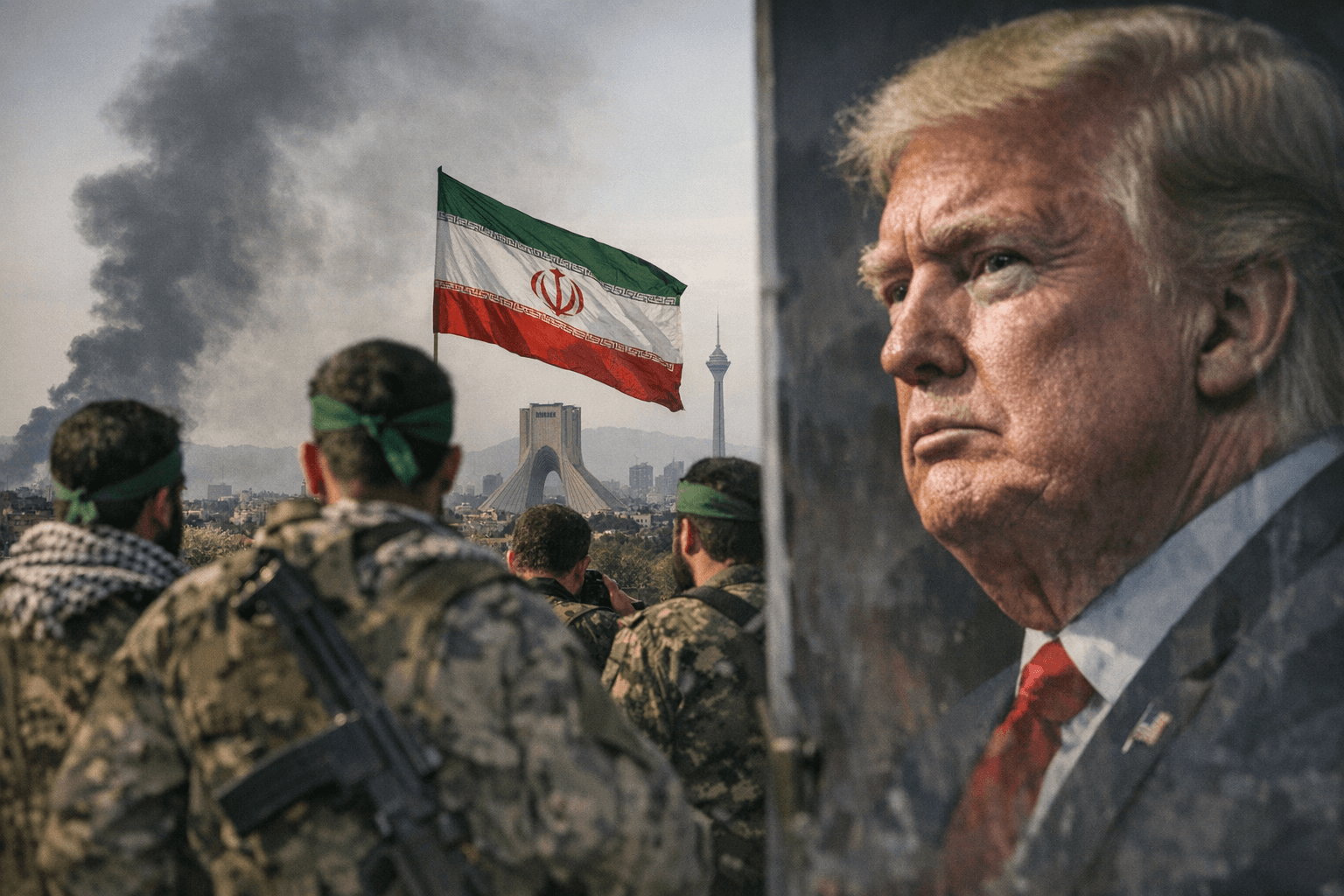
The current conflict is the second major U.S.-Iran-Israel military confrontation in under a year. The Twelve-Day War, fought June 13 to 24, 2025, ended with an Oman-brokered ceasefire after Israel launched surprise strikes on Iranian military and nuclear facilities. On June 22, 2025, the U.S. conducted Operation Midnight Hammer, deploying seven B-2 Spirit bombers from Whiteman Air Force Base in Missouri alongside more than 30 Tomahawk cruise missiles from an Ohio-class submarine to strike Iran's nuclear sites at Fordow, Natanz, and Isfahan. Director of National Intelligence Tulsi Gabbard later testified the strikes "obliterated" Iran's nuclear enrichment program, though independent analysts and the IAEA disputed the extent of the damage.
The intelligence community had warned the administration before Operation Epic Fury began that military intervention was unlikely to produce regime change in Tehran, a rationale that critics say underpinned the conflict's political justification. Former NSC official Joe Kent resigned over the war, writing that "Iran posed no imminent threat to our nation." The 2025 U.S. Annual Threat Assessment explicitly stated that Iran was not building a nuclear weapon; that sentence was quietly dropped from the 2026 edition.
The battlefield has since widened. Hezbollah and the Houthis have drawn Lebanon and Yemen into a multi-front regional confrontation. Russia and China have been providing Iran with technology, intelligence sharing, and oil trade support, extending Tehran's capacity to absorb the campaign. Iran has also threatened to attack American technology firms if more of its leaders are killed. What the Trump administration framed as a short, decisive operation has, by most accounts, become a war of attrition.
This article was produced by Prism’s automated news system from verified source data, official records, and press releases, then run through automated quality and moderation checks before publishing. The system is built and supervised by the people who set the standards it runs under. Read our full AI policy.
Did this article answer your question?


