U.S. intercepts Iranian missiles, strikes radar sites after Gulf attack
U.S. forces shot down Iranian drones and most of a missile volley aimed at Bahrain and Kuwait, then hit radar sites in a sharp warning to Tehran.
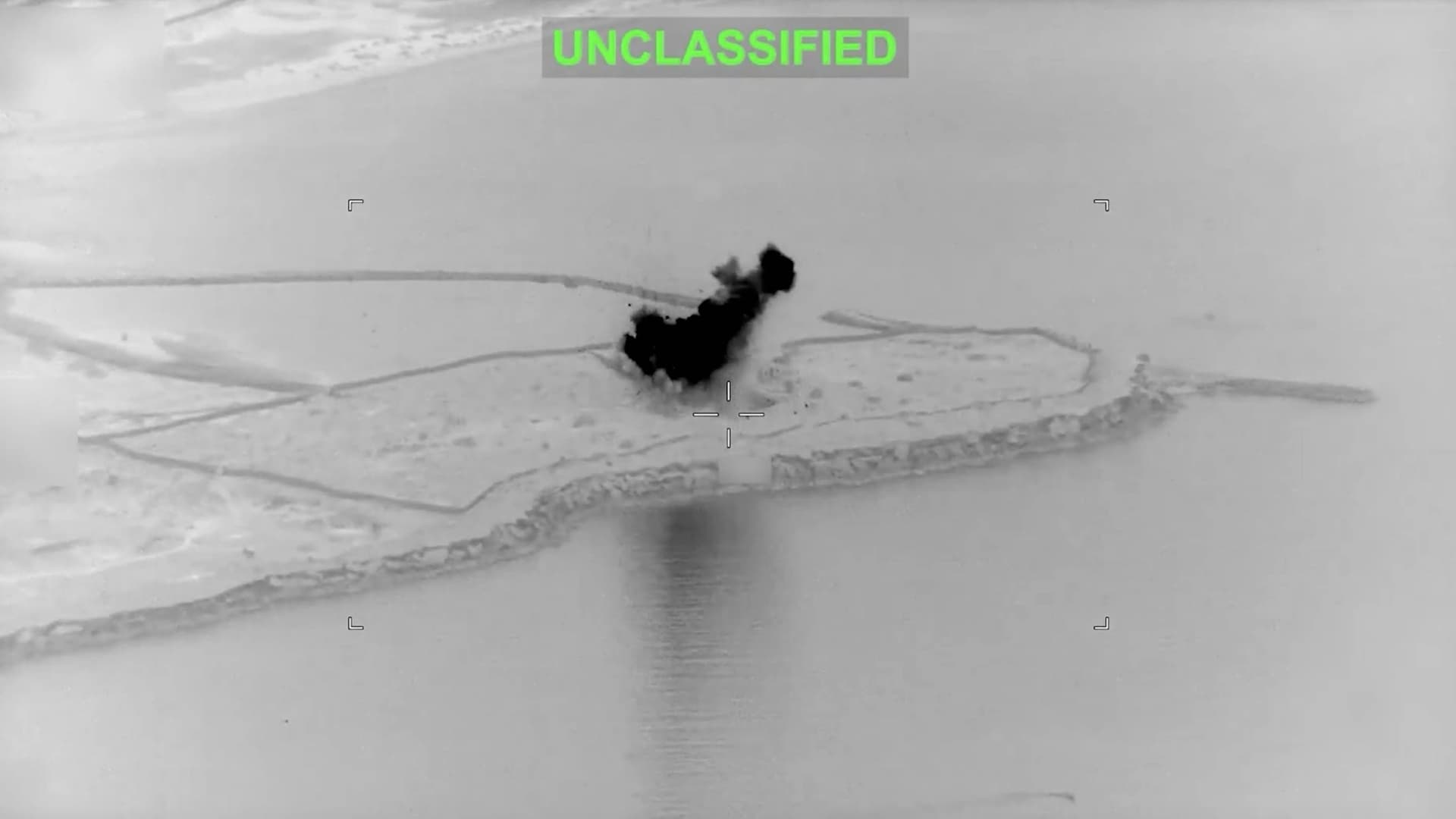
U.S. forces shot down four Iranian drones and intercepted six of seven ballistic missiles aimed at Kuwait and Bahrain, then struck Iranian coastal surveillance radar sites, including one on an island in the Strait of Hormuz. The exchange marked a clear test of Washington’s red lines in the Gulf: attacks on regional partners and maritime routes were met with immediate defensive action and direct retaliation.
U.S. Central Command said the drones were headed toward the Strait of Hormuz and posed an immediate threat to regional maritime traffic. There were no reports of harm to U.S. personnel. Bahrain said the missiles and drones aimed at it and Kuwait were intercepted, while authorities activated air raid sirens and told residents to move to the nearest safe location and follow official instructions.
Kuwait’s foreign ministry called the attack a “serious escalation” and a “flagrant violation of its sovereignty,” adding that Kuwait reserved the right to defend the country. Iran’s Revolutionary Guard said it targeted Ali Al Salem air base in Kuwait and the U.S. Navy’s 5th Fleet in Bahrain, but U.S. officials said the volley did not hit their forces. The contrast between the Iranian claims and the interception tally underscored how quickly the confrontation can widen without crossing into all-out war.
The latest clash came against the backdrop of a fragile ceasefire that has repeatedly frayed since fighting began on February 28. Hostilities flared again after an earlier attack on Kuwait International Airport killed one person and injured more than 60, and the Strait of Hormuz has remained largely closed, squeezing global oil and natural gas shipments. That economic pressure raises the stakes beyond the battlefield: every new strike now carries the risk of pushing energy markets and Gulf security farther off balance.
Iranian adviser Mohsen Rezaei warned against U.S. “overreach” in negotiations or ceasefire arrangements, while UAE adviser Anwar Gargash called for a firm, unified Gulf response. Iran’s Foreign Ministry said the U.S. “lacks the will” for stability and was endangering regional security. For Washington, the message was equally blunt: defend Gulf partners, keep sea lanes open, and signal that attacks near the Strait of Hormuz will draw a forceful answer.
This article was produced by Prism’s automated news system from verified source data, official records, and press releases, then run through automated quality and moderation checks before publishing. The system is built and supervised by the people who set the standards it runs under. Read our full AI policy.
Know something we missed? Have a correction or additional information?
Submit a Tip