U.S. investigators say strike on Iranian girls’ school is “likely” U.S. action
U.S. military investigators tentatively say a Feb. 28 strike on a girls’ school in Minab was likely carried out by U.S. forces; Iran reports dozens of child casualties and calls for accountability.
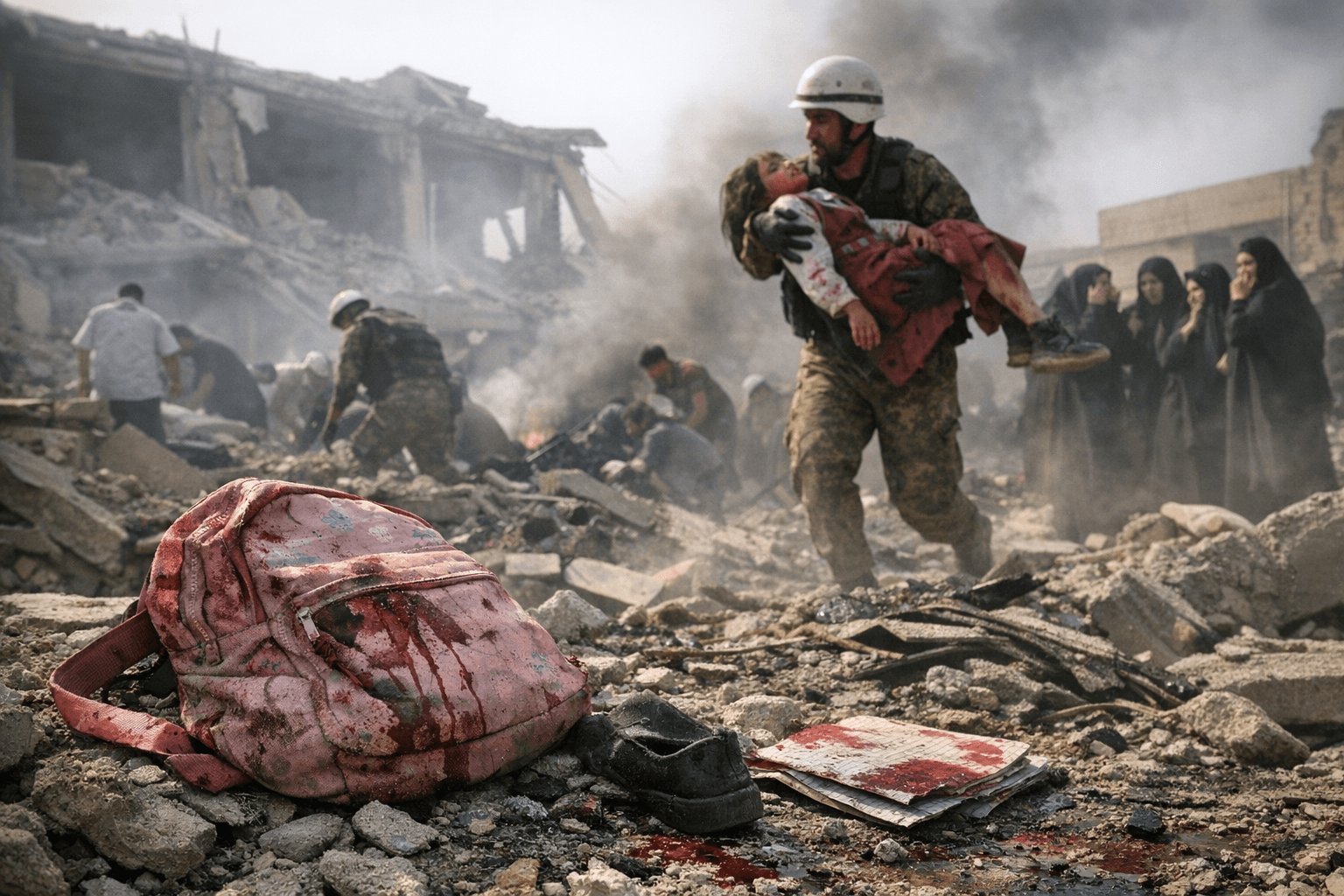
U.S. military investigators have tentatively concluded it is likely that U.S. forces were responsible for a Feb. 28 strike that hit Shajareh Tayyebeh elementary school in Minab, southern Iran, an action Iranian officials say killed scores of children. Investigators have not reached a final conclusion and the probe remains active, officials said.
Two unnamed U.S. officials briefed on the inquiry described the assessment as provisional and emphasized new evidence could change the finding. The Central Command spokesperson, Captain Timothy Hawkins, declined to discuss details, saying, "It would be inappropriate to comment given the incident is under investigation."
Iranian authorities and state media have reported high casualty totals. Iran’s ambassador to the United Nations in Geneva, Ali Bahreini, said the strike killed 150 students, while Iranian state outlets cited figures as high as 175 dead, the majority described by Iranian officials as children. Independent verification of the death toll is not publicly available.
The episode has produced sharply divergent public messages from U.S. officials. White House deputy press secretary Anna Kelly called the reporting that investigators viewed U.S. responsibility as premature and said, "This investigation is ongoing. There are no conclusions at this time, and it is both irresponsible and false for Reuters to claim otherwise." Kelly added, "As we have said, unlike the terrorist Iranian regime, the United States does not target civilians." President Donald Trump, speaking aboard Air Force One, blamed Iran, saying, "In my opinion, based on what I've seen, that was done by Iran," and that Iranian munitions were "very inaccurate." Defense officials have acknowledged the military is investigating; Secretary of Defense Pete Hegseth said, "The only side that targets civilians is Iran."
Administration officials also briefed members of Congress behind closed doors, telling lawmakers that U.S. forces had been targeting the general area where the school was struck and that Israel was not responsible, according to two U.S. officials who attended the session. Those briefers described the inquiry as probing whether the strike resulted from faulty intelligence, poor targeting, or technical or procedural failures.
Eyewitnesses and rescue workers have reported harrowing scenes at the site. A Red Crescent medic recounted that after the first blast teachers and the principal moved students to a prayer hall and called parents to retrieve the children, then a second blast struck that area: "When the first bomb hit the school, one of the teachers and the principal moved a group of students to the prayer hall to protect them. The principal called the parents and told them to come and pick up their children. But the second bomb hit that area as well. Only a small number of those who had taken shelter survived."
The United Nations human rights office urged accountability, with spokesperson Ravina Shamdasani stating, "The onus is on the forces that carried out the attack to investigate it." UNESCO described the attack as a grave violation of humanitarian law.
If investigators confirm a U.S. role, the strike would have immediate legal and political consequences: the incident would likely attract international condemnation, intensify calls for transparent, independent forensics, and prompt congressional scrutiny of wartime targeting processes and oversight. Deliberately striking schools or hospitals meets the threshold for serious violations under international humanitarian law; confirming U.S. responsibility would test the Pentagon’s internal review mechanisms and the administration’s claims about efforts to avoid civilian harm. The direction and release of the final report will determine whether the episode becomes a catalyst for policy change, international legal action, or further erosion of U.S. credibility in a region already on edge.
This article was produced by Prism’s automated news system from verified source data, official records, and press releases, then run through automated quality and moderation checks before publishing. The system is built and supervised by the people who set the standards it runs under. Read our full AI policy.
Did this article answer your question?