U.S.-Iran ceasefire strained after drone, missile attacks in Gulf
Iranian drones and missiles hit Kuwait and Bahrain as U.S. forces struck back, exposing how quickly the ceasefire can unravel.

The ceasefire between Iran and the United States came under its sharpest strain yet Saturday, after U.S. forces said they shot down four Iranian one-way attack drones headed toward the Strait of Hormuz and intercepted seven ballistic missiles fired at Kuwait and Bahrain.
The violence struck at the core of an agreement that has been in place since April 8 and has repeatedly been tested around the Strait of Hormuz, the waterway that carries a large share of global energy traffic. Kuwait said Iranian drones heavily damaged a passenger terminal at Kuwait International Airport, briefly closed the airfield, killed one person and wounded dozens, a reminder that the conflict is no longer confined to military exchanges at sea or in remote border zones.
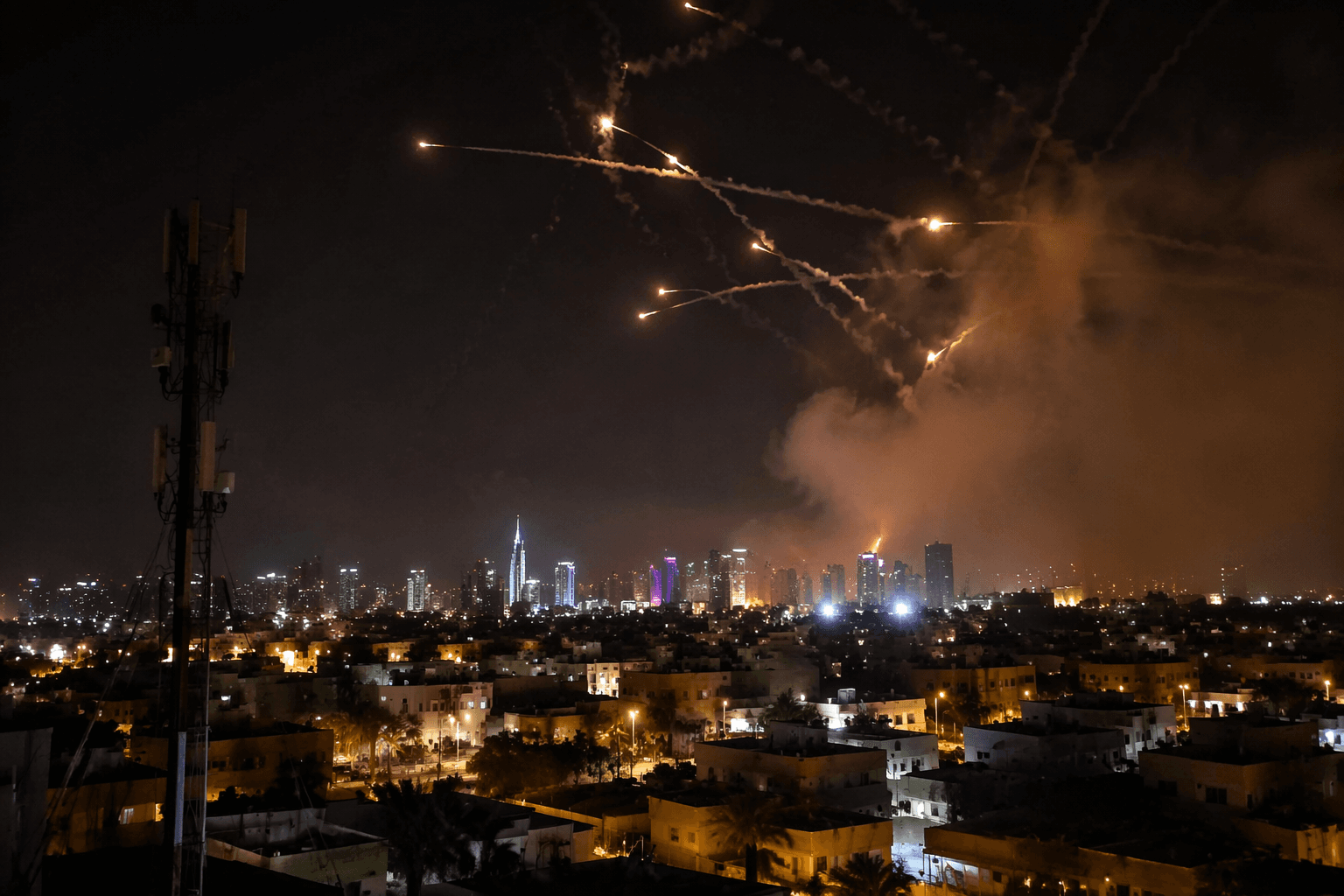
U.S. forces then struck an Iranian facility in response, escalating a cycle that both sides have now framed as defensive. Iranian officials accused Washington of violating the ceasefire, while U.S. officials have said earlier clashes had not crossed the threshold for a full return to major combat operations. Gen. Dan Caine said Iran had attacked the United States more than 10 times since the ceasefire began, underscoring how often the truce has been tested in practice.
The latest flare-up came just as negotiators were said to be closing in on an extension. U.S. and Iranian negotiators had reportedly reached a tentative understanding on extending the ceasefire by 60 days and beginning new talks on Iran’s nuclear program, but the arrangement still required President Donald Trump’s approval and Iran’s response remained pending. The timing made Saturday’s barrage especially destabilizing, because it showed how little room remains between a limited truce and a broader regional confrontation.
The U.S. has already expanded its maritime posture to keep the Strait of Hormuz open. Under Project Freedom, Washington has deployed guided-missile destroyers, more than 100 aircraft and 15,000 service members to protect shipping through the chokepoint. That effort now faces the same test as the ceasefire itself: whether repeated drone and missile attacks can be contained as isolated incidents, or whether they mark a slide back toward sustained conflict across the Gulf.
For now, the truce survives on paper. The exchange between Iranian drones, ballistic missiles, U.S. interceptors and retaliatory strikes showed how fragile it is in practice.
This article was produced by Prism’s automated news system from verified source data, official records, and press releases, then run through automated quality and moderation checks before publishing. The system is built and supervised by the people who set the standards it runs under. Read our full AI policy.
Did this article answer your question?


