U.S.-Iran clash in Strait of Hormuz threatens fragile peace talks
Missiles and drones targeted three U.S. destroyers in the Strait of Hormuz, triggering strikes on Bandar Abbas and Qeshm and lifting oil fears near $100 a barrel.
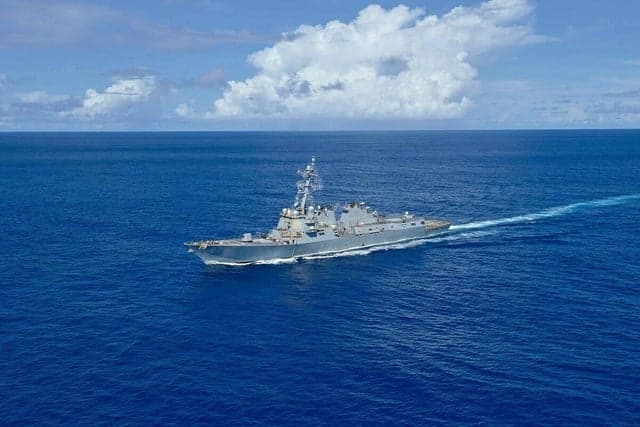
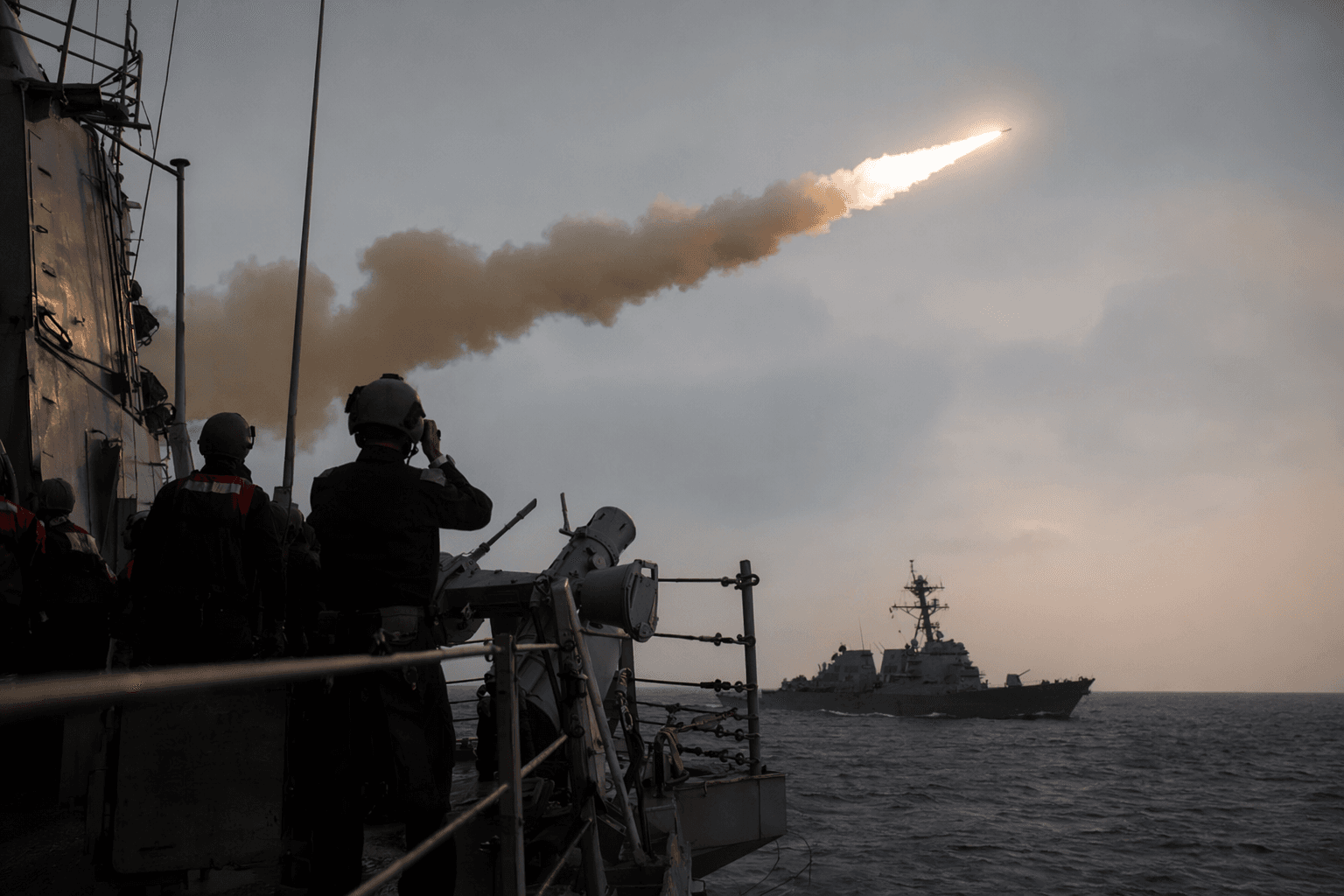
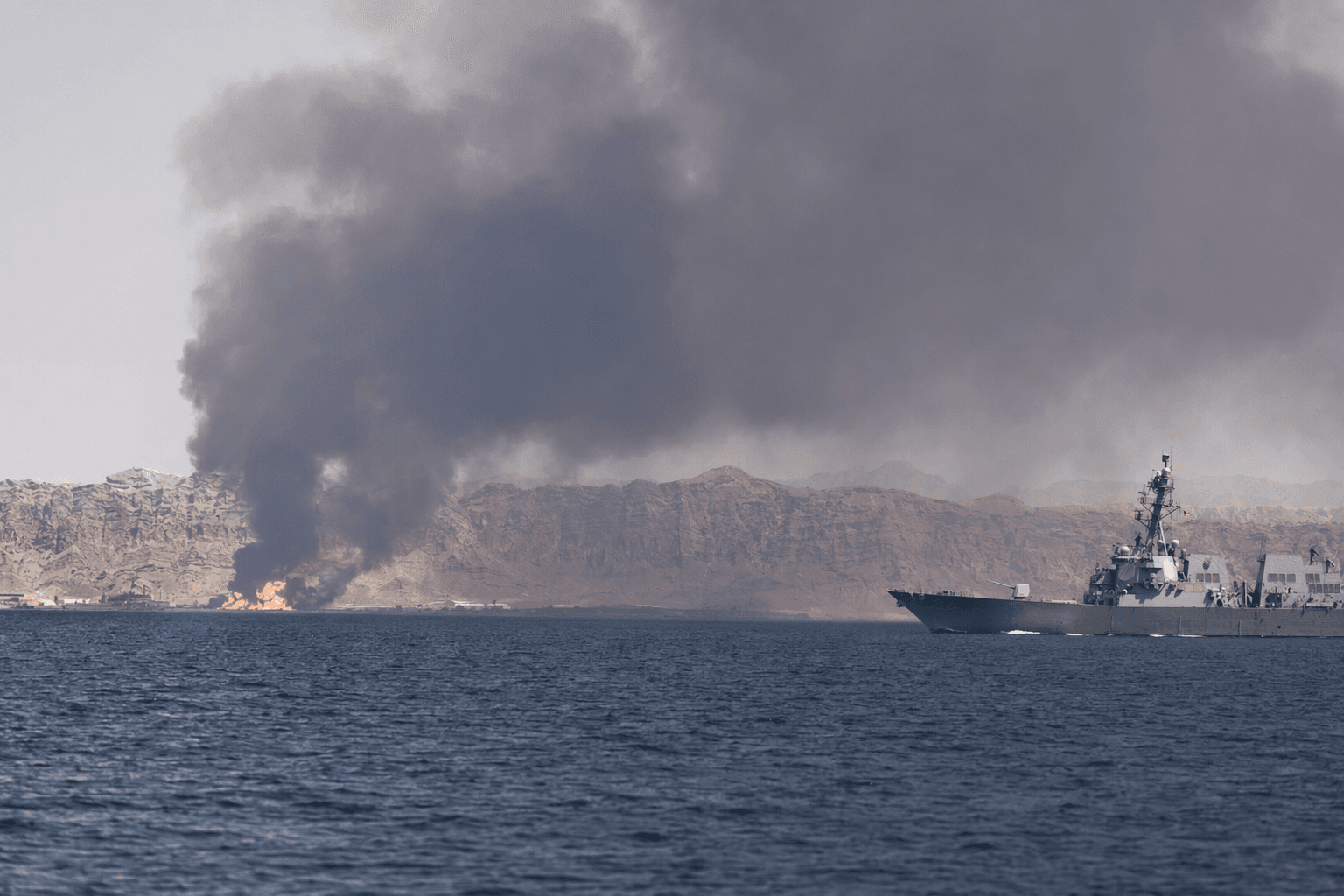
Three U.S. Navy destroyers came under missile and drone fire in the Strait of Hormuz, and the American response quickly widened a confrontation that had already put one of the world’s most important shipping lanes on edge. U.S. forces answered with self-defense strikes on two Iranian ports, Bandar Abbas and Qeshm, after the ships were attacked but not hit. The exchange turned the narrow waterway into an active battlefield and raised the risk that tankers, warships and the troops guarding them could become the next targets.
The strikes appeared aimed at more than punishment. By hitting port sites abutting the Strait of Hormuz, U.S. commanders were trying to blunt the infrastructure behind attacks on American warships and to restore a deterrent that had been fraying as Iran pressed its campaign at sea and in the region. Donald Trump said the U.S. ships were unharmed and warned that Iran could face even heavier strikes if a deal is not reached, making clear that the military move was also meant to change the terms of the diplomacy, not just the battle damage.
That diplomatic path looks more fragile by the hour. Brent crude hovered around $100 a barrel during the crisis, down from about $126 the prior week but still far above roughly $70 before the war, a sign that traders see a real threat to oil traffic through the strait. Any sustained disruption could reverberate far beyond the Gulf, pushing up fuel costs, shipping insurance and inflation while adding pressure on a White House trying to keep talks alive even as missiles fly.
The clash also revived memories of the 1987-1988 Persian Gulf tanker war, when the United States escorted reflagged Kuwaiti tankers and retaliated against Iranian attacks on shipping. That period included the mining of the USS Samuel B. Roberts, strikes on Iranian oil platforms, the sinking of Iranian naval vessels and the accidental shootdown of Iran Air 655. Those episodes still shape the calculation on both sides: each step meant to secure the lanes can also deepen the spiral.
U.S. Central Command has framed the broader campaign as part of a response to Iran’s long pattern of attacks on the United States, Israel and others in the region. The latest exchange, after the failed diplomatic push in early 2026, leaves a stark next phase: Tehran can answer with more missile and drone fire or pressure on shipping, and Washington can escalate again if attacks continue. In the Strait of Hormuz, the military objective and the political cost now move together.
Know something we missed? Have a correction or additional information?
Submit a Tip