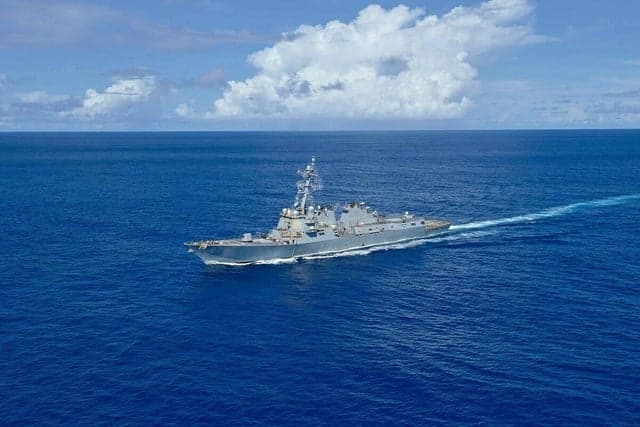
U.S. ships intercept Iranian attack in Strait of Hormuz amid fragile ceasefire
Three U.S. destroyers took Iranian fire in the Strait of Hormuz and intercepted it, even as Trump brushed the clash off as a “love tap.”
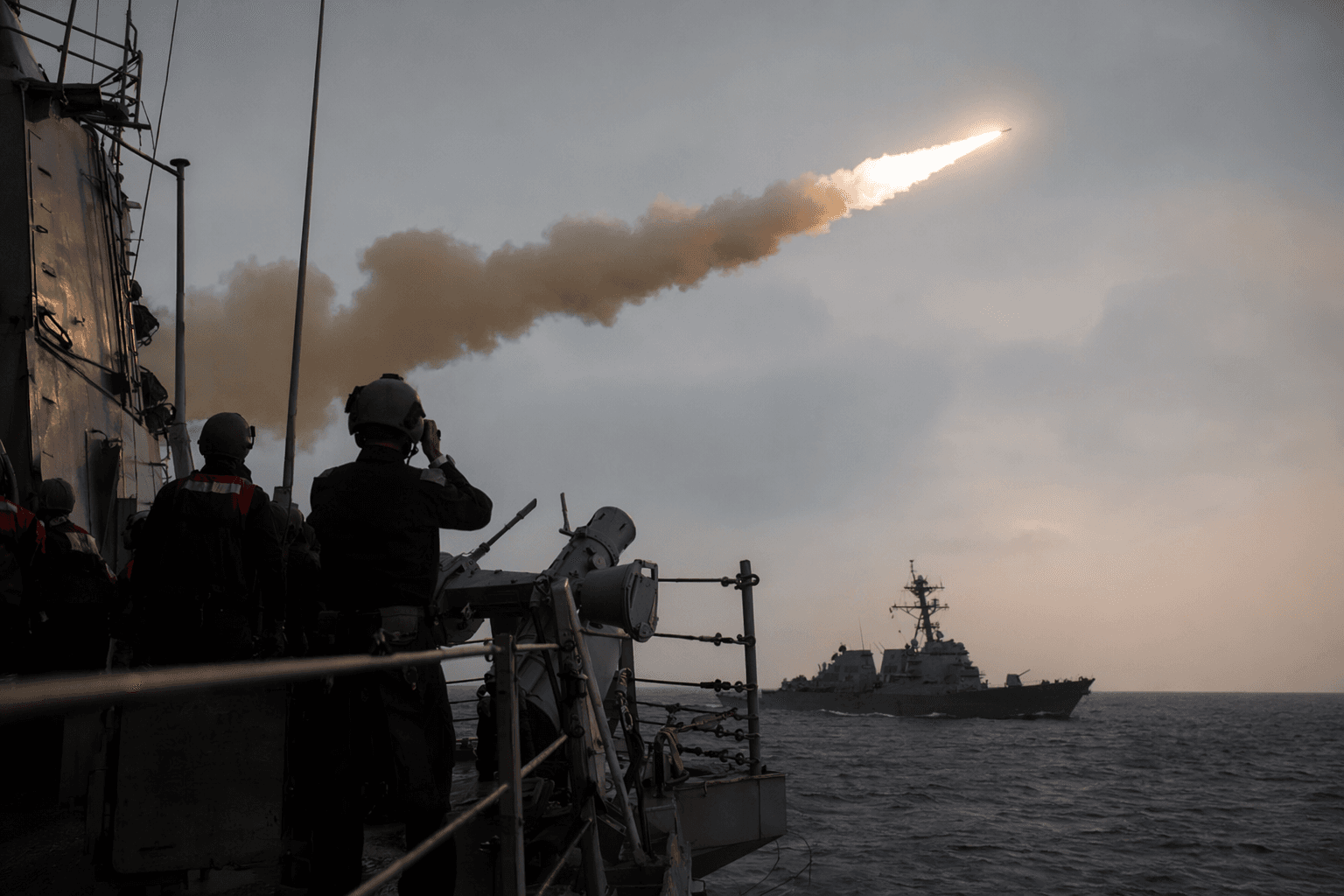
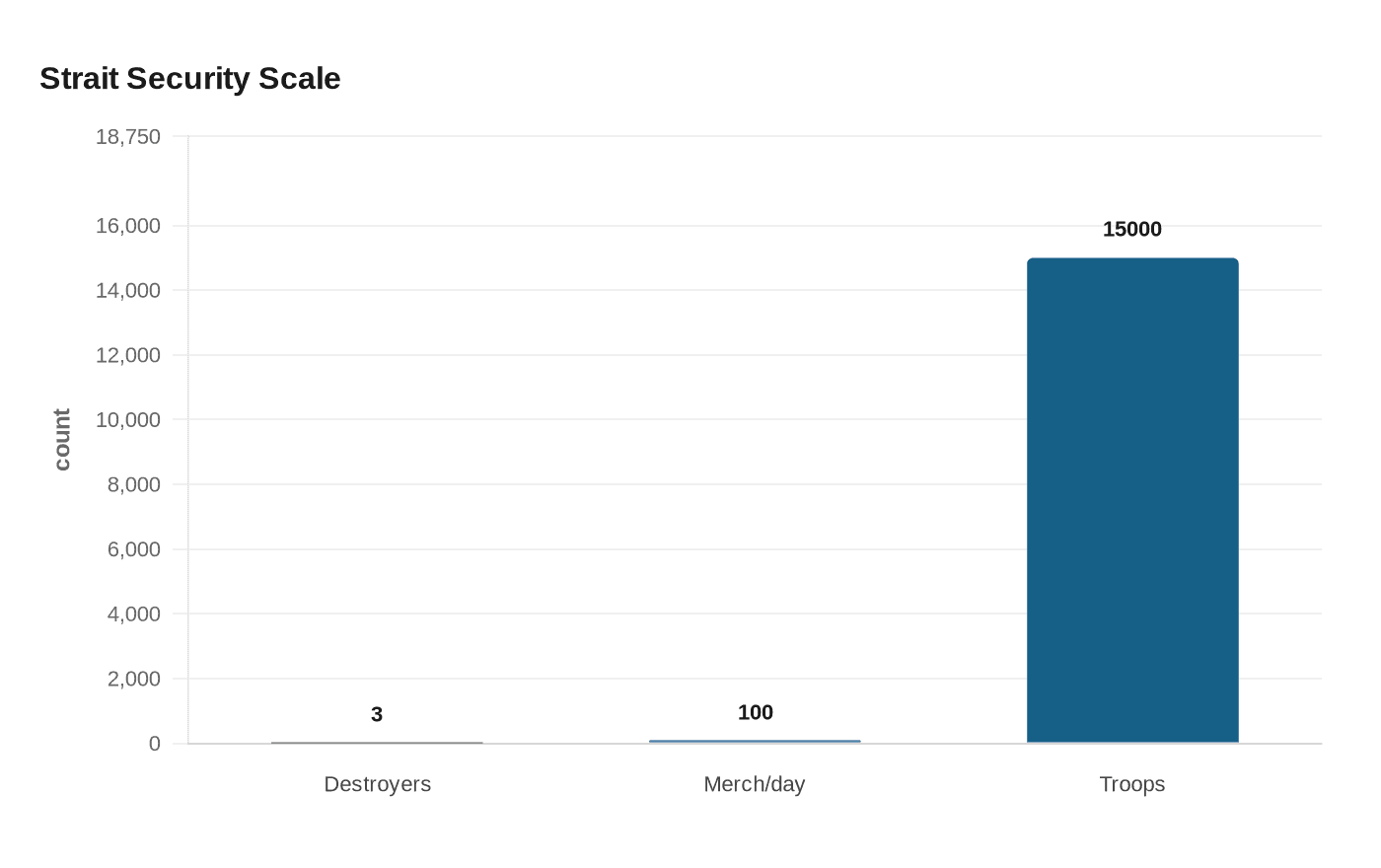
Three U.S. Navy destroyers moving through the Strait of Hormuz came under Iranian fire and intercepted the attack without losing any assets, turning one of the world’s most sensitive waterways into the latest flashpoint in a fragile ceasefire. U.S. Central Command said the USS Truxtun, USS Rafael Peralta, and USS Mason were transiting toward the Gulf of Oman when Iranian forces launched missiles, drones, and small boats. U.S. forces responded with self-defense strikes on Iranian military facilities tied to missile and drone launch sites, command-and-control locations, and intelligence, surveillance and reconnaissance nodes.
President Donald Trump moved quickly to minimize the exchange, calling the retaliatory strikes on Iran “just a love tap” and saying the ceasefire remained in effect. He also warned Iran could face much harder and more violent strikes if it did not agree to a deal quickly. The language underscored the gap between the White House’s framing and the risk on the water, where even a short confrontation can threaten shipping, fuel prices, and regional deterrence.
The clash landed in a strait that CENTCOM has described as an essential trade corridor. In an April briefing, the command said roughly 100 merchant vessels pass through the waterway on an average day, and another release said about a quarter of the world’s oil trade at sea moves through it. The stakes have helped drive Project Freedom, CENTCOM’s effort to keep the passage open with guided-missile destroyers, more than 100 land- and sea-based aircraft, multi-domain unmanned platforms, and 15,000 service members.
Thursday’s exchange came during a month-old ceasefire that multiple outlets described as the most serious test yet. Iran accused Washington of violating the truce, while Trump insisted it remained intact. The confrontation also followed earlier U.S. activity in the same corridor, including an April 11 mine-clearance mission and repeated episodes in which U.S. forces blocked or disabled vessels linked to Iran.
For now, the strait remains open, but the episode showed how quickly a maritime challenge can become a strategic crisis. When three American destroyers are forced to intercept missiles, drones, and small boats in one of the world’s busiest energy lanes, the consequences reach far beyond the Gulf of Oman.
Know something we missed? Have a correction or additional information?
Submit a Tip