U.S.-Iran clashes threaten Strait of Hormuz oil shipments
Attacks and counterattacks around Hormuz jolted Brent from $69 to $74 and forced a pause in a seafarer evacuation as 20 million barrels a day stayed at risk.

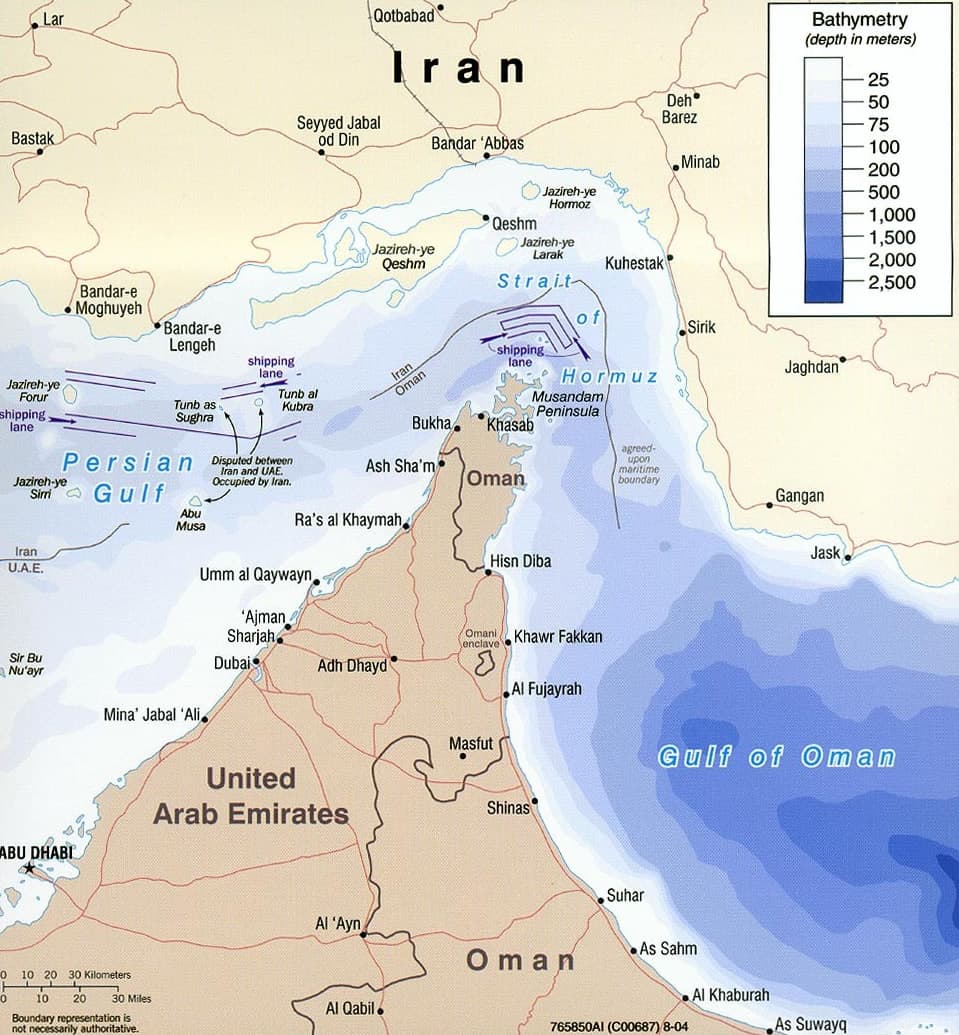
The Strait of Hormuz is only 29 nautical miles wide at its narrowest point, with two-mile-wide channels for inbound and outbound shipping. U.S. and Gulf ministers met in Manama on June 25 to press for safe transit as attacks and counterattacks kept the waterway on edge.
The International Energy Agency put about 20 million barrels a day of crude oil and oil products through the strait in 2025, equal to roughly a quarter of global seaborne oil trade. Around 80% of the oil leaving the strait goes to Asia, with China, India and Japan among the biggest buyers.
The U.S. Energy Information Administration put Brent crude at $69 a barrel on June 12 and $74 on June 13 after tensions flared, before any full blockage of traffic. The agency also estimates the strait carries about one-fifth of global LNG trade, and prolonged disruption could strand liquefied natural gas exports from Qatar and the United Arab Emirates, two suppliers that send about 93% and 96% of their LNG through the passage.
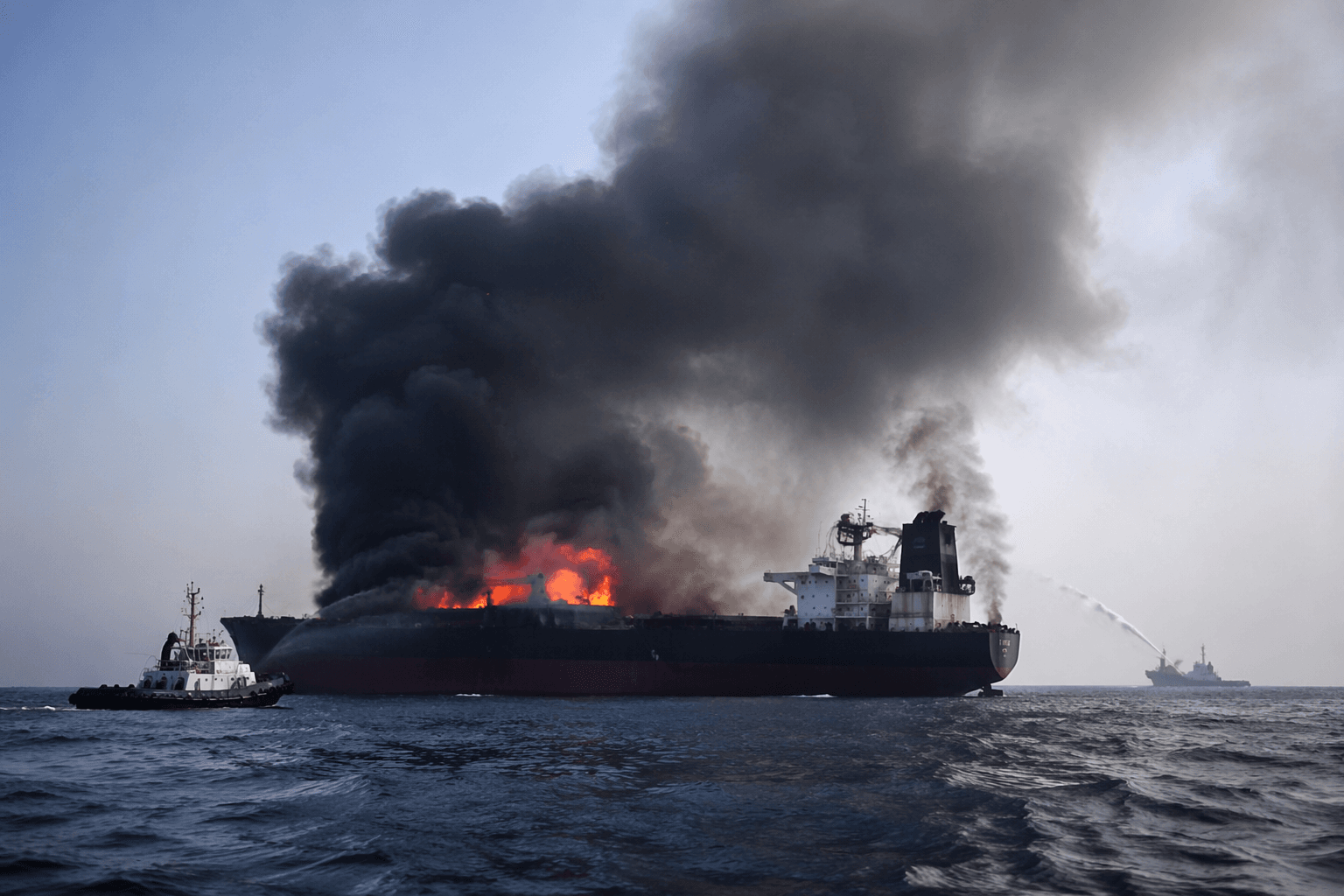
In early June, U.S. forces struck Iranian coastal radar sites after drones launched by Iran were shot down near the strait. Iran’s Revolutionary Guard said it retaliated by attacking U.S. bases in Kuwait and Bahrain and by firing at tankers it said were crossing without permission. On June 11, three Indian seafarers were killed in an attack on an oil tanker near the Strait of Hormuz.
The International Maritime Organization launched an evacuation effort for more than 11,000 stranded seafarers in the Persian Gulf, moved about 2,500 by June 26, and paused the operation after another attack in the Gulf of Oman. IMO Secretary-General Arsenio Dominguez warned on June 9 that there was “no safe passage” without credible security guarantees and said seafarers had already been killed, injured or detained.
Secretary of State Marco Rubio traveled to the United Arab Emirates, Kuwait and Bahrain from June 23 to 25 to discuss full and free safe transit through Hormuz and wider regional stability, while U.S. and Gulf Cooperation Council ministers in Manama reiterated their security partnership. The United States has also backed a United Nations Security Council resolution with Bahrain and other Gulf partners to defend freedom of navigation in the strait and require Iran to stop attacks, mining and tolling.
The Dallas Federal Reserve put the closure that began on Feb. 28, 2026, at close to 20% of global oil supplies from the market. The International Energy Agency says Saudi Arabia holds most of the world’s spare oil production capacity, but limited pipeline alternatives make a prolonged shutdown of Hormuz difficult to offset.
This article was produced by Prism’s automated news system from verified source data, official records, and press releases, then run through automated quality and moderation checks before publishing. The system is built and supervised by the people who set the standards it runs under. Read our full AI policy.
Did this article answer your question?


