U.S.-Iran deal dispute centers on Strait of Hormuz access
A vague Hormuz clause has reopened the U.S.-Iran fight, and three ship attacks in July showed how quickly the dispute can rattle the world’s busiest oil lane.

Renewed attacks on ships in the Strait of Hormuz have pushed the most disputed clause in the June 18 U.S.-Iran memorandum back to the center of the crisis.
The Strait of Hormuz is only 29 nautical miles wide at its narrowest point, with inbound and outbound shipping channels that are each 2 miles wide and separated by a 2-mile buffer zone. It is one of the world’s most important oil chokepoints. About 20 million barrels per day of crude oil and oil products moved through the strait in 2025, and about 20% of global liquefied natural gas trade crossed it in 2024, much of it from Qatar, according to the U.S. Energy Information Administration.
The disputed language in the 14-point Islamabad Memorandum of Understanding centers on Paragraph 5, or Article 5, in a deal that also set a 60-day window for negotiations toward a final settlement after earlier talks in Geneva and Doha. One reading says Iran would make arrangements to restore shipping and later work with Oman to administer the strait. Another says the memorandum was meant to keep commercial vessels moving under international law and the sovereignty rights of coastal states.
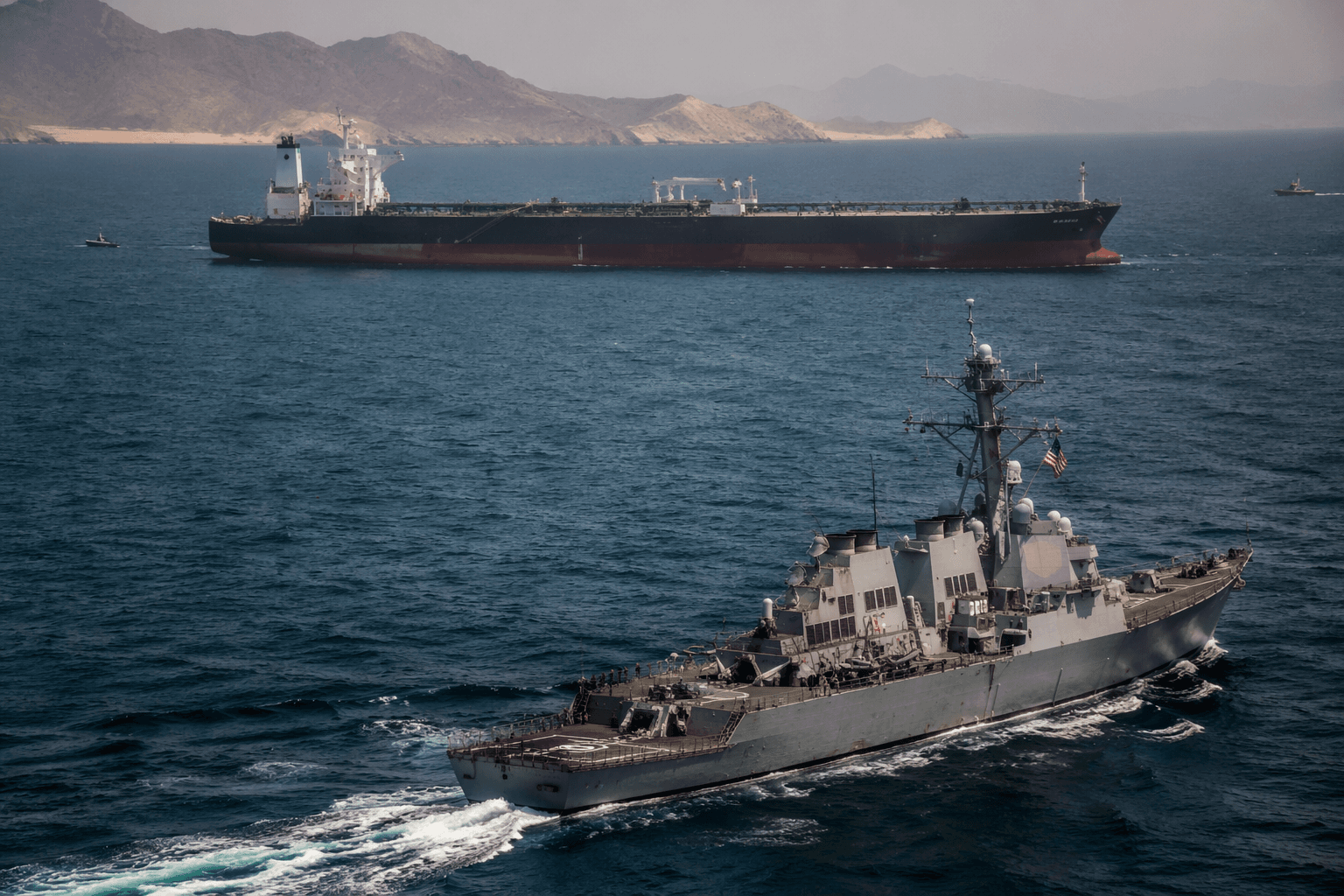
In early and mid-July, three ships were attacked in the strait after Iran accused them of trying to pass without approval, and renewed U.S.-Iran hostilities have eroded the June interim agreement.
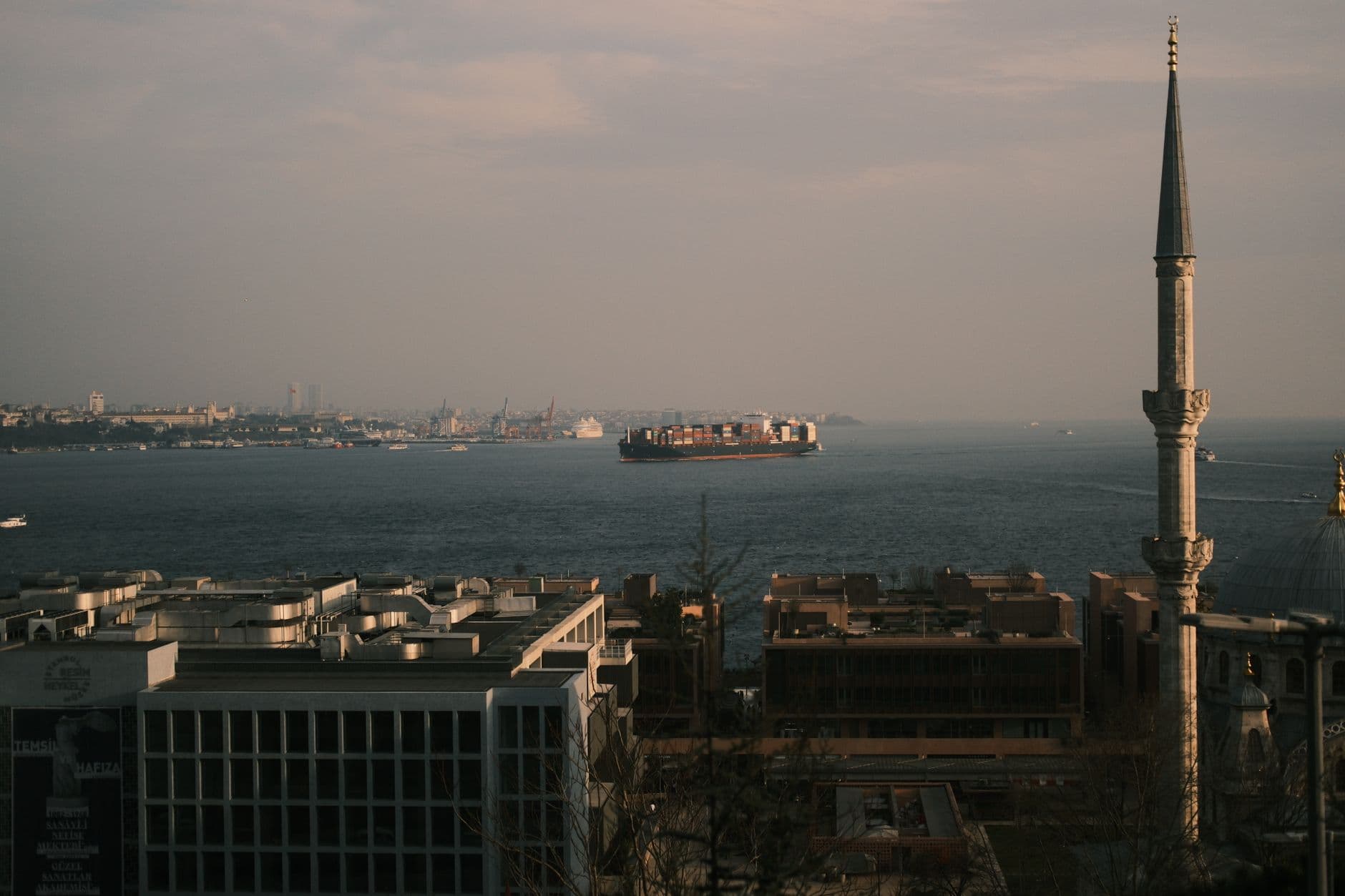
The Strait of Hormuz carries around a quarter of global seaborne oil trade, according to UNCTAD. Disruption threatens oil, LNG, fertilizers and wider trade flows. Brent crude rose sharply during earlier tensions over the strait, and member countries agreed to a large emergency stock release after the conflict escalated, according to the International Energy Agency.
Mohammad Bagher Ghalibaf, Iran’s parliamentary speaker, has argued publicly that Iran and Oman hold sovereign rights over administration of the waterway and has linked further talks to U.S. implementation of early obligations. U.S. officials have pushed back, saying the memorandum was supposed to normalize shipping and that Hormuz should not be subject to tolls or unilateral closure.
This article was produced by Prism’s automated news system from verified source data, official records, and press releases, then run through automated quality and moderation checks before publishing. The system is built and supervised by the people who set the standards it runs under. Read our full AI policy.
Did this article answer your question?