U.S.-Iran deal gives Tehran oil relief before final nuclear talks
A tentative U.S.-Iran pact reopened oil sales and eased sanctions, undercutting claims Washington kept full leverage before the next nuclear round.
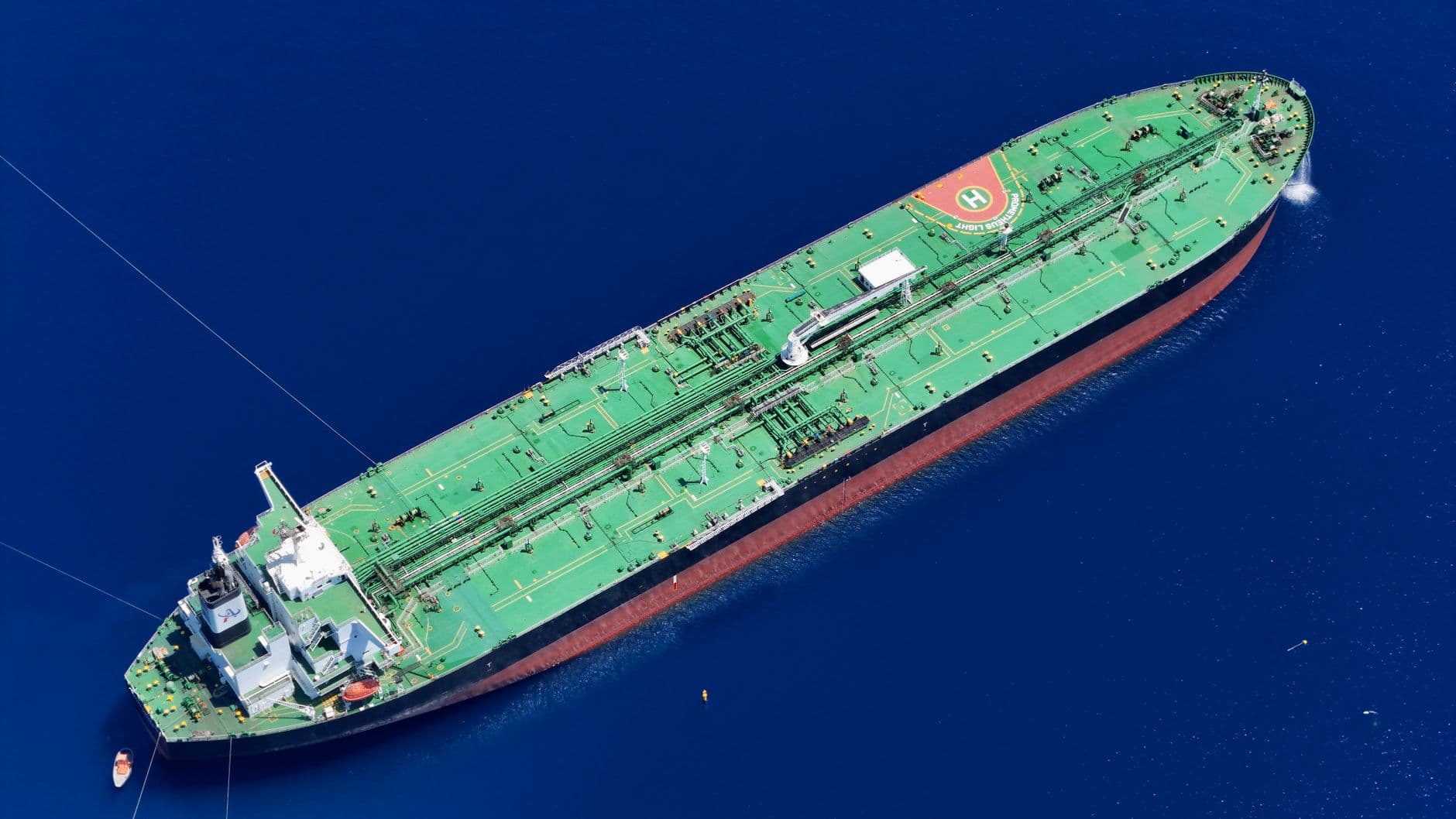
JD Vance said the United States could dictate the next round of Iran talks, but the deal now taking shape gave Tehran immediate relief where it matters most: oil. The preliminary framework temporarily waived restrictions on Iranian crude sales, let Iran collect revenue from those exports and lifted the U.S.-imposed naval blockade of Iranian ports, all before a final nuclear agreement was reached.
That matters because the pressure tool Vance described was the centerpiece of Washington’s leverage. The U.S. Department of State said in May 2026 that sanctions on Iranian petroleum trade were aimed at the regime’s primary revenue streams, and the sanctions had long been among the most extensive in the world. Easing them now, even on a temporary basis, gave Iran a critical economic lifeline while broader issues were still being negotiated over a 60-day period.
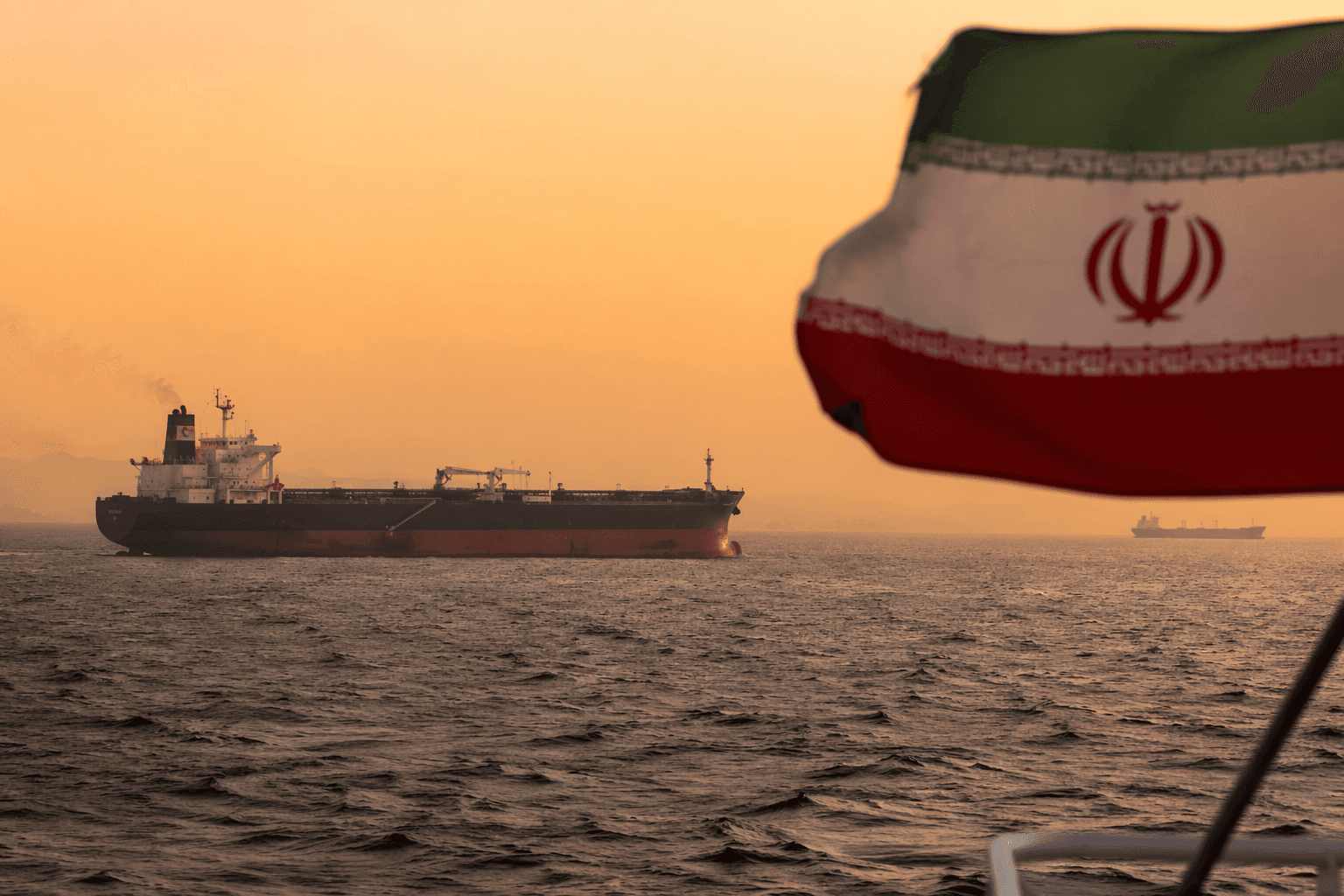
The market understood the significance immediately. Oil prices fell after the framework was announced, reflecting investor expectations that Iranian exports could return to global supply. The Strait of Hormuz, which normally carries about 20% of global oil flows, has already rattled energy markets during the standoff, and the tentative accord signaled a path for Iranian crude to move again if the deal holds. The agreement also left the fate of Iran’s nuclear program to additional talks, meaning Washington had already granted one of Tehran’s biggest demands before the final terms were settled.
The political reaction split quickly. Israeli officials expressed deep concern, and allies of Benjamin Netanyahu along with sympathetic media in Israel attacked the deal. In Washington, Sen. Lindsey Graham said he was pleased the war was ending but warned that Iran might understand the agreement differently from the American negotiating team. That gap is the core problem with Vance’s claim: the United States did not simply preserve leverage and wait for concessions. It offered sanctions relief, reopened an export channel that drives Iranian state revenue and eased military pressure before the nuclear file was closed.
If the framework survives to formal signing on Friday, Tehran will have secured the stronger starting position, with oil revenue flowing again while the hardest nuclear questions remain unresolved.
This article was produced by Prism’s automated news system from verified source data, official records, and press releases, then run through automated quality and moderation checks before publishing. The system is built and supervised by the people who set the standards it runs under. Read our full AI policy.
Know something we missed? Have a correction or additional information?
Submit a Tip