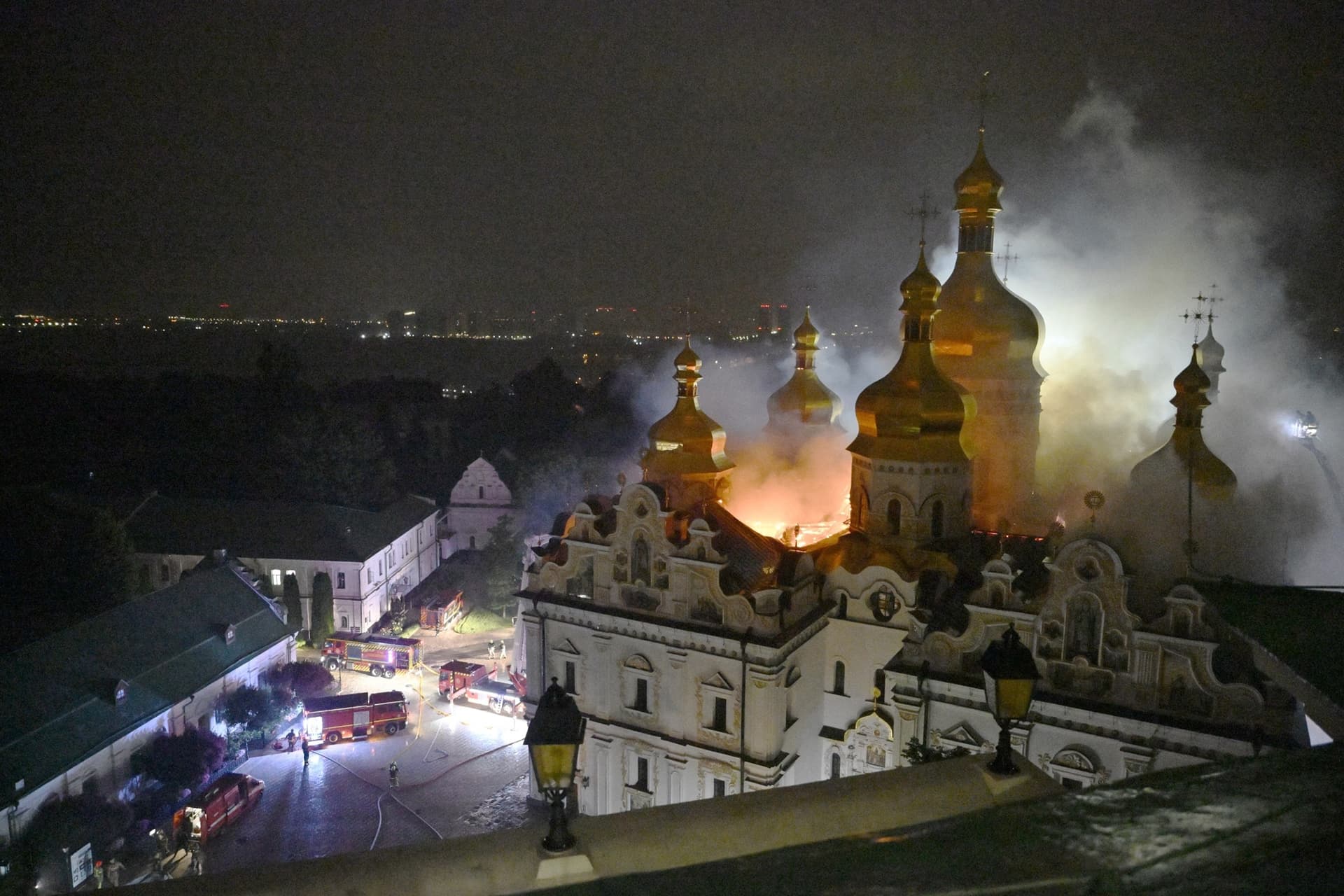
U.S.-Iran deal talks hinge on ending Israel-Hezbollah hostilities in Lebanon
Washington’s Iran talks are colliding with fresh Israel-Hezbollah strikes in Lebanon, where at least 13 were killed on June 10 and Beirut was hit again on June 14.
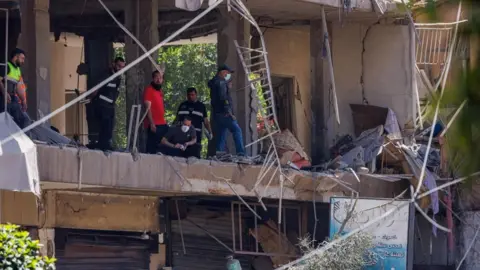
The effort to seal a U.S.-Iran agreement is running into the war in Lebanon, where Israel and Hezbollah keep trading fire and widening the risks for diplomats. A draft framework under discussion would waive sanctions on Iran’s oil, unfreeze billions of dollars in Iranian funds, and require an end to hostilities on all fronts, including Lebanon.
That linkage has turned Lebanon into the most volatile test of the talks. Iran says any deal must include a halt to the fighting there, while Israel says its operations are meant to protect northern Israeli communities from Hezbollah drone and rocket fire. The contrast is stark: one side is trying to freeze a regional confrontation on paper, while the other is still shaping events on the ground.
The fighting has intensified since early March, with repeated Israeli airstrikes, ground incursions, and displacement orders across southern Lebanon and Beirut’s southern suburbs. On June 1, Lebanon announced a partial ceasefire between Hezbollah and Israel, but the arrangement stopped short of ending the conflict. The limits of that understanding became clearer on June 10, when Lebanese security sources said Israeli airstrikes in southern Lebanon killed at least 13 people.
Three days later, Israel said it struck Hezbollah targets in Beirut’s southern suburbs after Hezbollah-fired projectiles were reported toward Israel. The exchange showed how quickly local incidents can threaten broader diplomacy. It also exposed the gap between a ceasefire on paper and the reality of a front line that still spans southern Lebanon, Beirut’s Dahiyeh district and the Israeli border area.
The dispute over Lebanon is only one part of a wider bargain that also includes the Strait of Hormuz, the narrow waterway that carries a major share of global energy trade. In the latest publicly described framework, reopening the strait is tied to the broader package, underscoring how any breakdown could ripple far beyond the battlefield. If hostilities in Lebanon continue, the deal could stall before it reaches the point of implementation.
Behind the scenes, Trump has warned Netanyahu not to escalate in Beirut, reflecting the White House’s concern that Israeli strikes could derail the negotiations. Hezbollah has rejected ceasefire terms that do not include a full Israeli withdrawal, making Lebanon one of the hardest obstacles to any durable agreement. Until the fighting slows and the withdrawal question is resolved, diplomacy and battlefield reality will keep colliding.
This article was produced by Prism’s automated news system from verified source data, official records, and press releases, then run through automated quality and moderation checks before publishing. The system is built and supervised by the people who set the standards it runs under. Read our full AI policy.
Know something we missed? Have a correction or additional information?
Submit a Tip