US-Iran deal to reopen Strait of Hormuz after conflict
A page-and-a-half Iran deal was signed digitally, but sanctions relief, nuclear limits and enforcement were still left to be worked out. Markets rallied as the Strait of Hormuz reopening loomed.
A deal meant to reopen the Strait of Hormuz arrived with its biggest questions still unanswered. JD Vance said the agreement was “about a page and a half” and “very general,” leaving the most contested issues, from Iran’s nuclear program to broader regional security arrangements, for later technical talks.
The Trump administration said it expected to release the full text before Friday, June 19, ahead of a planned signing ceremony in Geneva, Switzerland. Vance said the document had already been signed digitally on Sunday by U.S. officials, and reporting said Donald Trump, Vance and Mohammad Bagher Ghalibaf electronically signed the memorandum, with Abbas Araghchi and Ghalibaf expected to represent Tehran at the ceremony. For now, the accord is being described as a preliminary memorandum of understanding, not a final settlement.

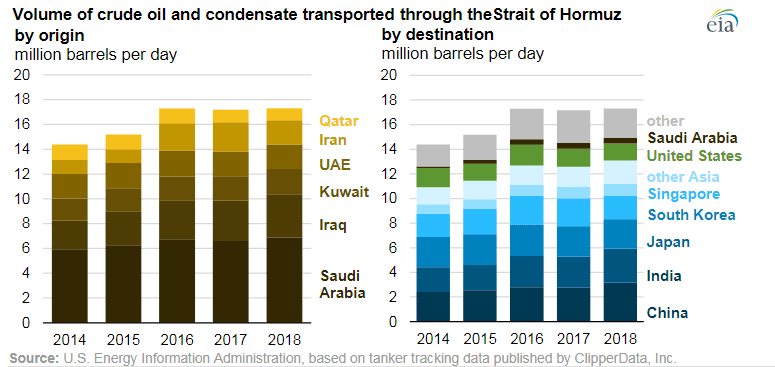
The narrow text matters because it is tied to one of the world’s most sensitive shipping lanes. The Strait of Hormuz carries roughly 20% of global oil in normal times, and the reopening of the route after months of disruption from the conflict sent oil prices lower and stocks higher. Trump said on Truth Social that the deal with Iran was “complete” and that he was authorizing the reopening of the strait and the removal of the U.S. naval blockade. Vance also said no U.S. funds would be transferred to Iran in exchange for the agreement.
Even with that assurance, the structure of the deal leaves open the core political fight. Reporting said the framework would extend the ceasefire by 60 days and set up more technical negotiations, while other accounts said sanctions relief and even a reconstruction package had been discussed. The war had lasted about 106 to 107 days by the time the agreement was announced, following U.S. and Israeli attacks on Iran in February 2026 and an earlier fragile ceasefire announced in April.
The reaction on Capitol Hill was cautious. Republicans said they still needed more information, and the House of Representatives had already voted 215-208 earlier in June on a war powers resolution that reflected unease over Trump’s Iran policy. Israel was also uneasy, with Benjamin Netanyahu signaling that Israel would keep trying to block any Iranian nuclear breakout even if a deal held. The next test is not the signing ceremony in Geneva, but whether the thin framework can survive the harder negotiations that come after it.
This article was produced by Prism’s automated news system from verified source data, official records, and press releases, then run through automated quality and moderation checks before publishing. The system is built and supervised by the people who set the standards it runs under. Read our full AI policy.
Know something we missed? Have a correction or additional information?
Submit a Tip