U.S. and Iran reach shaky cease-fire deal to reopen Strait of Hormuz
The U.S. and Iran edged toward a new cease-fire that could reopen the Strait of Hormuz, but the text is still unreleased and the hardest issues were left for later.

The United States and Iran moved toward an initial cease-fire agreement that could reopen the Strait of Hormuz, a chokepoint that carries a huge share of global oil shipments and has been at the center of the latest escalation. The deal remained fragile, with key details still undisclosed, Israel not included, and the most volatile questions, including Iran’s nuclear program, pushed into later talks.
The timing mattered as much as the terms. After weeks of attacks and retaliation, both Washington and Tehran faced mounting costs from keeping the confrontation alive. For the United States, continued disruption in the Strait threatened oil-market pressure and wider economic fallout across the Middle East. For Iran, the fighting deepened the strain of isolation and kept pressure on its security apparatus without delivering a decisive gain.
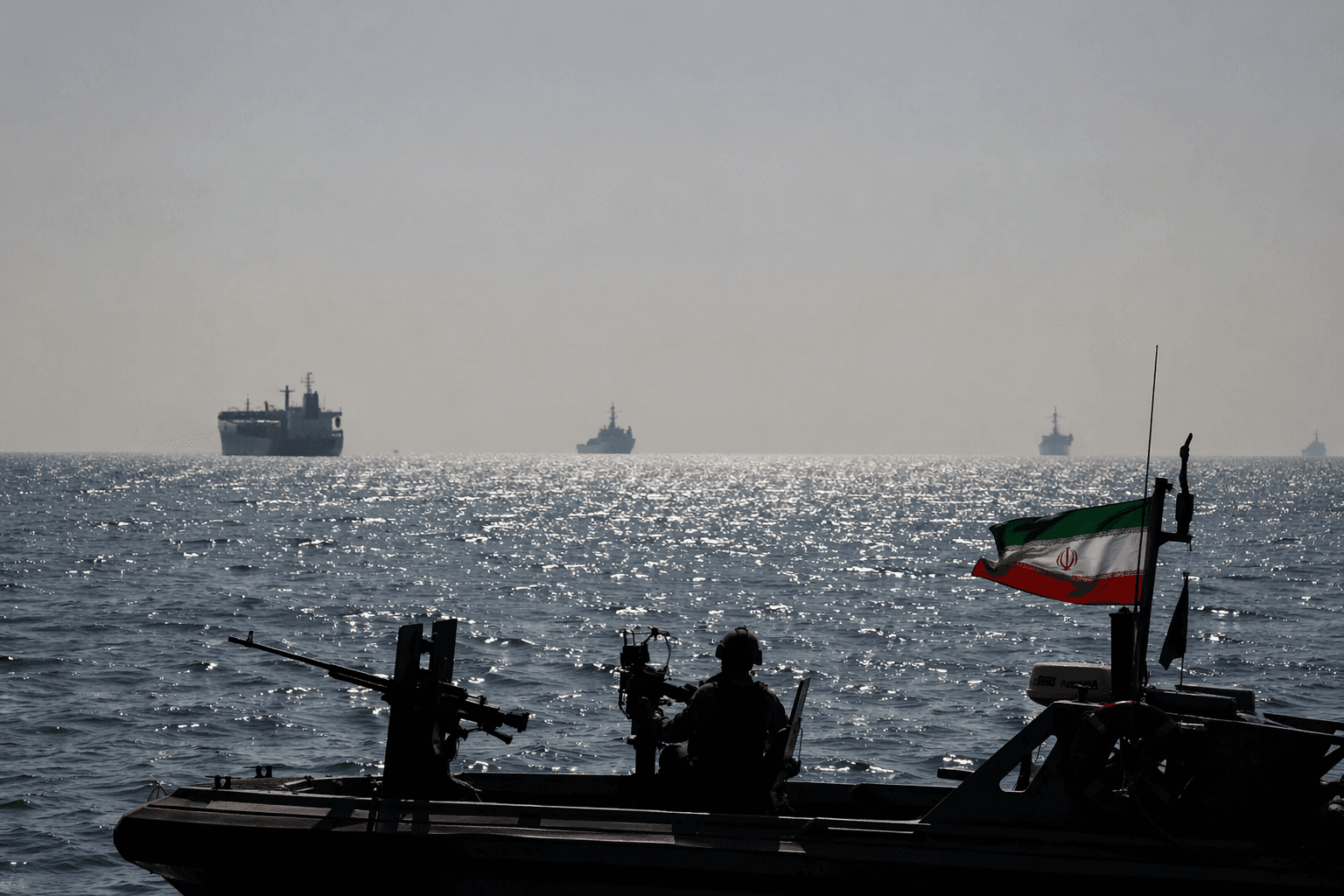
This was not the first attempt to halt the fighting. An earlier two-week cease-fire was announced on April 7-8, 2026, after about 40 days of U.S.-Israeli attacks on Iran and was mediated by Pakistan. That truce quickly proved brittle. It was violated repeatedly by both sides, then extended indefinitely by President Donald Trump on April 21. The new agreement has the same basic challenge: whether a pause built on tactical relief can survive when neither side has settled the deeper disputes driving the conflict.
Pakistan again emerged as a central mediator in the latest round, while reports also said China helped persuade Iran to negotiate. Abbas Araghchi and Kazem Gharibabadi were among the Iranian figures tied to the diplomacy. Regional reaction has been cautiously supportive, with Pakistan and Qatar signaling approval of a path that could reduce tensions and ease pressure on shipping and energy flows.
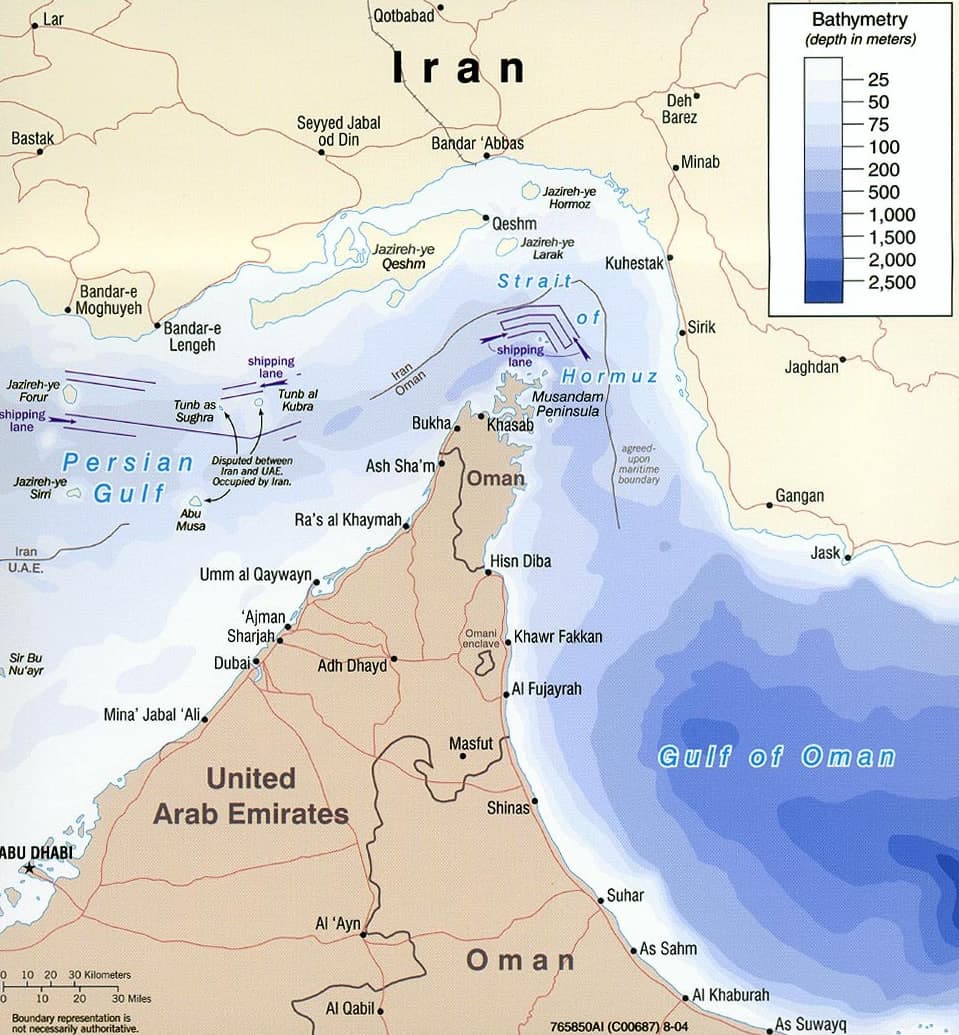
Even so, the durability test is clear. The two sides have agreed to reopen a crucial trade route, but not to resolve the issues most likely to reignite the crisis. With the text still unreleased and no public signing yet completed, the agreement looks less like a final settlement than a calculation by both governments that the costs of continued conflict have risen high enough to make another pause worth trying.
This article was produced by Prism’s automated news system from verified source data, official records, and press releases, then run through automated quality and moderation checks before publishing. The system is built and supervised by the people who set the standards it runs under. Read our full AI policy.
Know something we missed? Have a correction or additional information?
Submit a Tip