Hungary approves term limit amendment blocking Orban’s return as prime minister
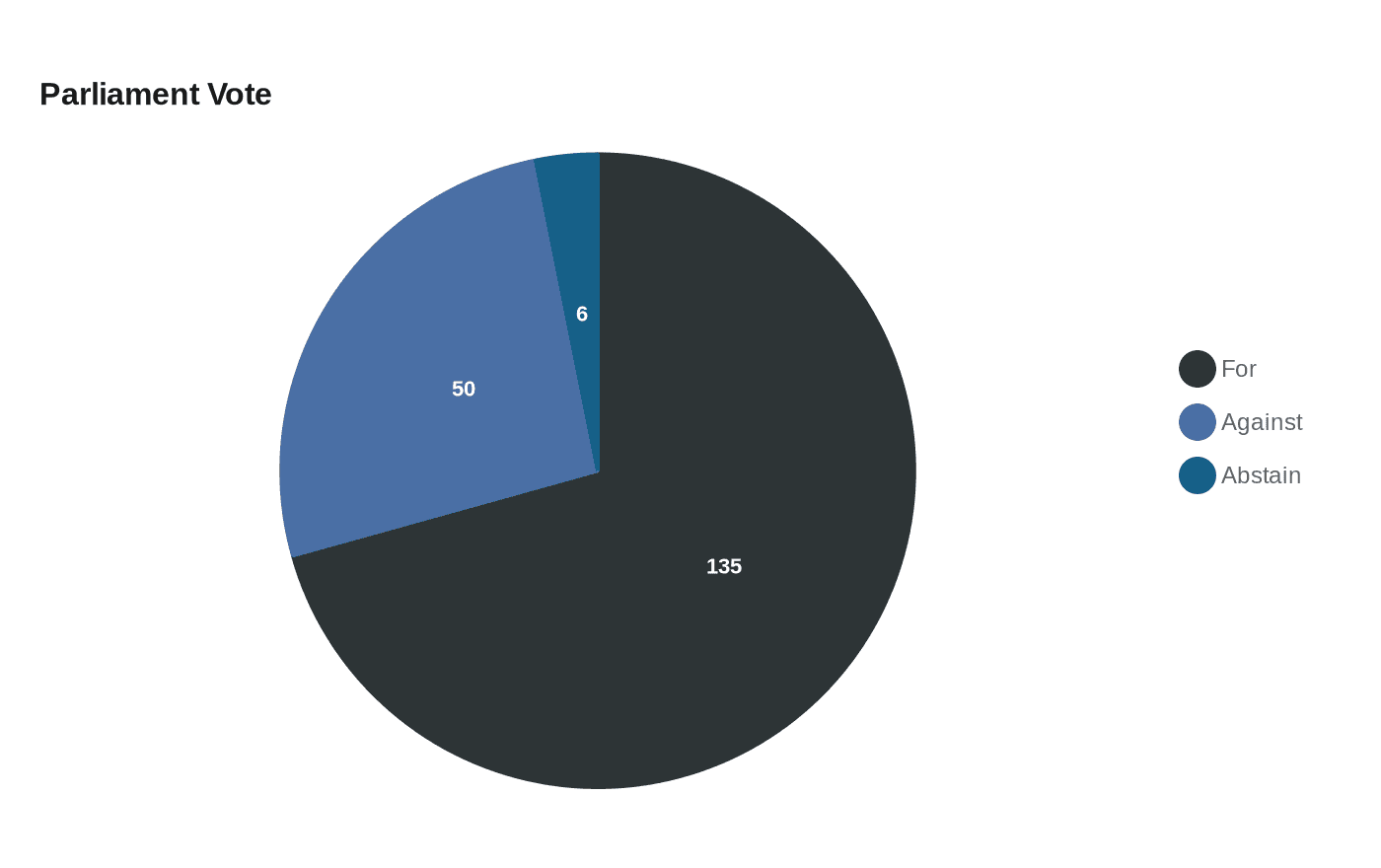
Hungary's parliament capped prime ministers at eight years total, retroactively blocking Viktor Orban from a comeback. The 135-50 vote also targeted two pillars of his era.
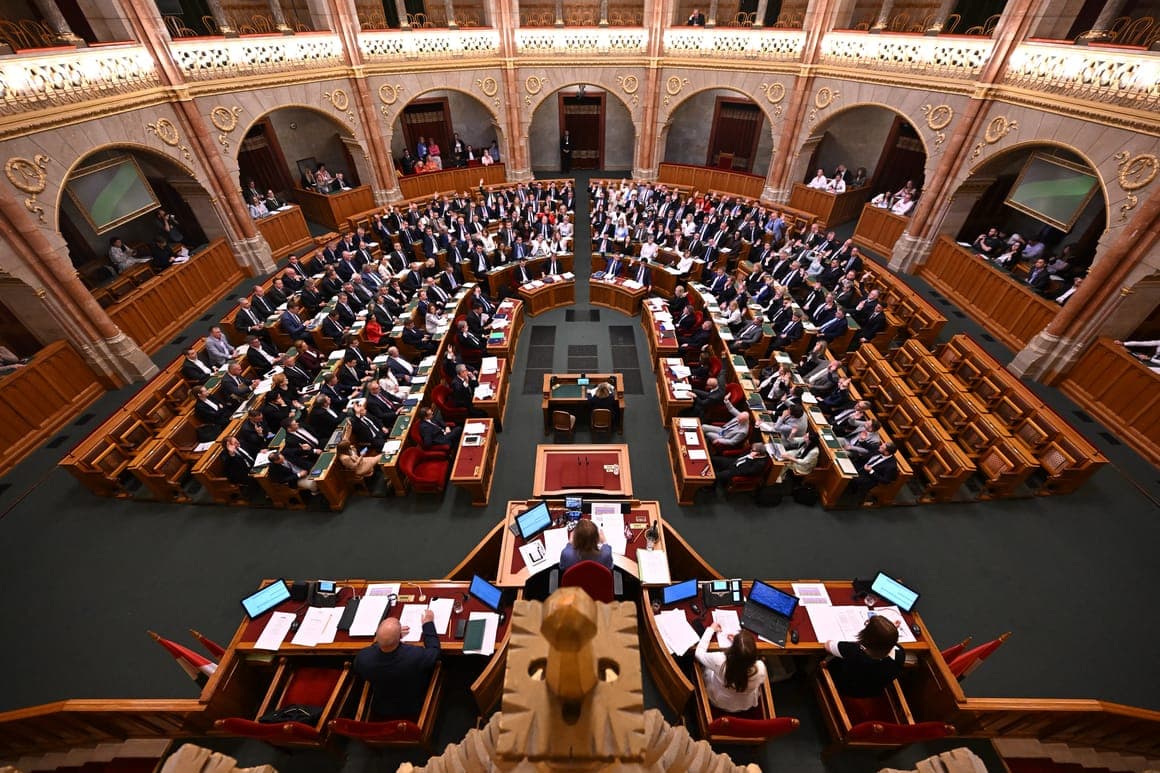
Hungary’s parliament has rewritten the rules of executive power, approving a constitutional amendment that limits any prime minister to eight years in office and retroactively bars Viktor Orban from returning to the premiership. The National Assembly passed the measure by 135 votes to 50, with 6 abstentions, making it the 16th amendment to Hungary’s Fundamental Law.
The change reaches back to May 2, 1990 and counts non-consecutive terms, meaning any person who has already accumulated eight years as prime minister cannot be elected again. In practical terms, that closes the door on Orban, who governed Hungary for 16 years before losing the April 2026 election to Peter Magyar and his Tisza Party.
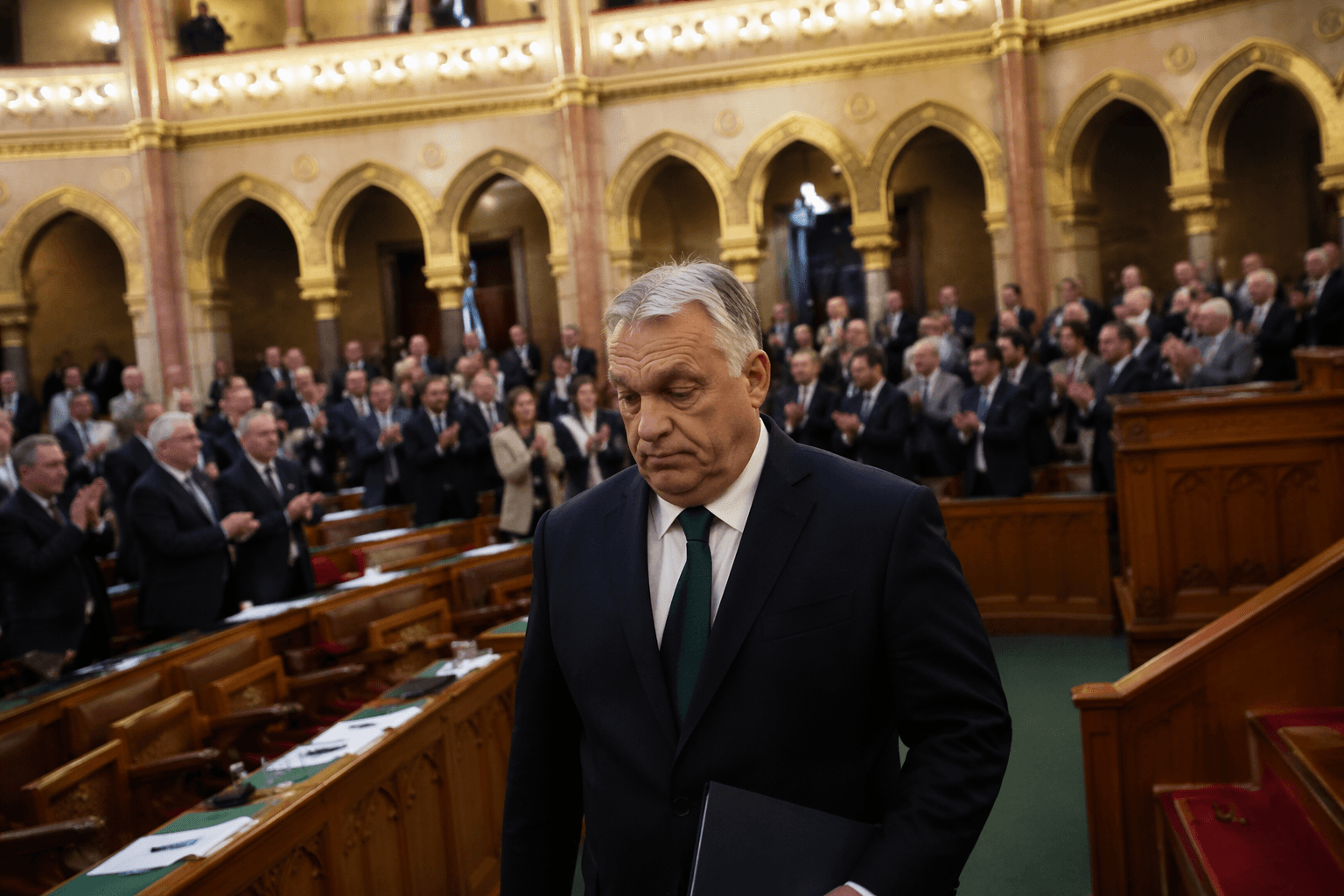
The vote matters far beyond one leader’s political future. Magyar’s two-thirds parliamentary majority gives him the power to alter parts of the legal order built under Orban’s Fidesz government, and the term-limit amendment is the clearest signal yet that the new majority intends to use that power to reshape institutions, not simply replace officeholders. Supporters cast it as a reset after years of concentrated control, with Tisza lawmakers arguing that power does not last forever and that state institutions should not be used for political self-preservation.
The same amendment also creates a constitutional basis for dissolving the Sovereignty Protection Office, a controversial body created in 2023 under Orban. The office drew criticism for stigmatizing opposition figures, journalists, NGOs and academics as serving foreign interests, and the European Commission opened an infringement procedure over the law that created it. Its removal would mark a direct rollback of one of the sharper instruments of Orban-era state pressure.

Another provision restores to the state the founders’ rights over public-interest asset-management foundations, known as KEKVA, which were used to transfer hundreds of billions of forints in state assets into quasi-private structures. That issue is politically loaded in Hungary, where prosecutors and police separately seized about 92 billion forints, or roughly $300 million, in a money-laundering probe involving foundations set up by the central bank.
Fidesz immediately described the term-limit change as a tailor-made “Lex Orbán” measure, and Orban answered sarcastically on social media after the vote. Whether the amendment becomes a durable institutional reset or a one-off maneuver against a defeated strongman will depend on whether Magyar’s coalition turns constitutional change into a broader governing principle, or stops here after locking out a single rival.
This article was produced by Prism’s automated news system from verified source data, official records, and press releases, then run through automated quality and moderation checks before publishing. The system is built and supervised by the people who set the standards it runs under. Read our full AI policy.
Know something we missed? Have a correction or additional information?
Submit a Tip