Strong earthquake shakes Indonesia’s Palu, prompting evacuations
A shallow 6.7 quake near Palu shook the city for more than a minute, sending patients and residents outdoors as strong aftershocks followed.
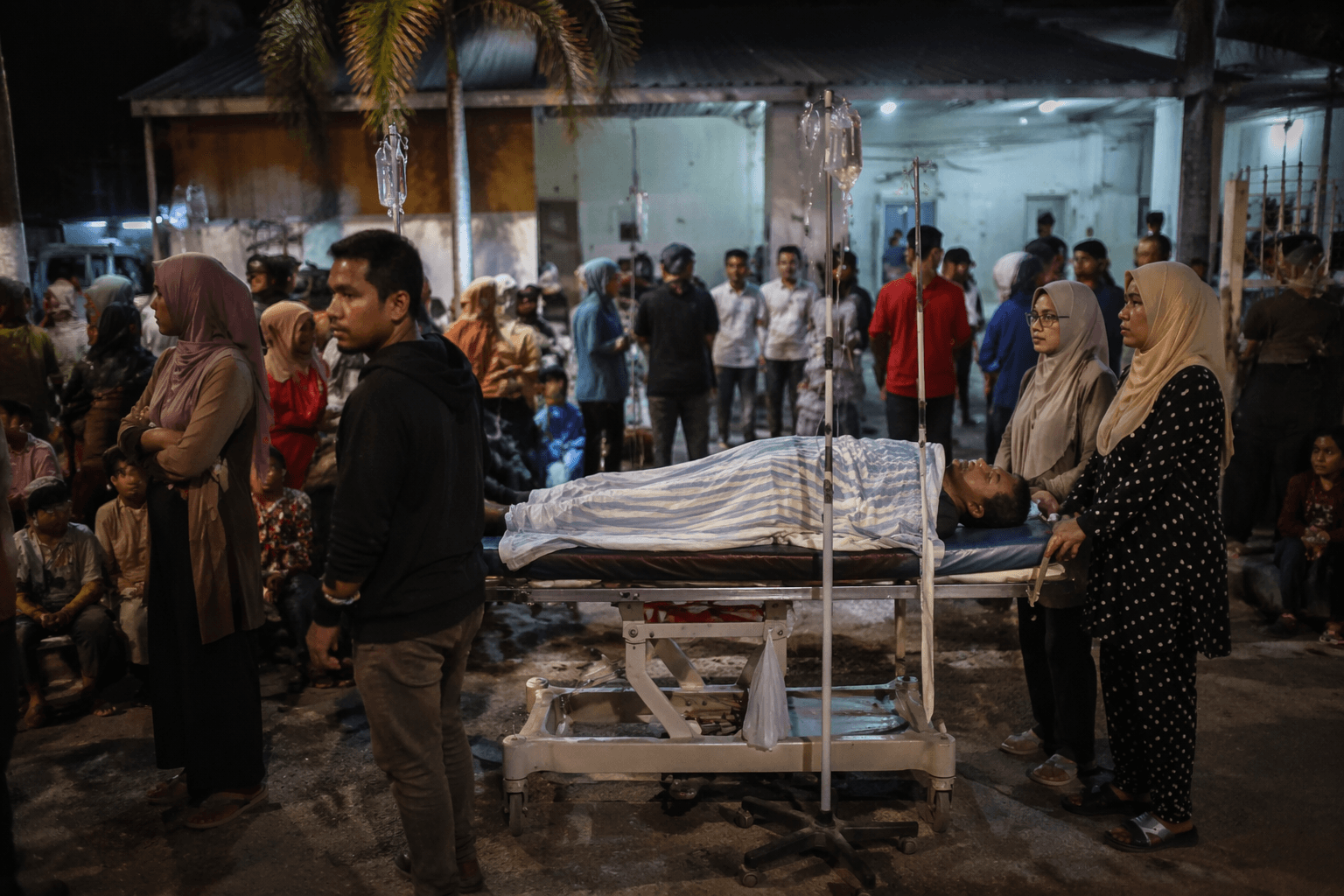
A shallow magnitude 6.7 earthquake rattled central Sulawesi, shaking Palu for more than a minute and sending residents, patients and hospital staff into open areas as strong aftershocks followed. The quake struck 46 kilometers east-southeast of the city at a depth of about 10 kilometers, a combination that can intensify surface shaking and strain buildings, roads and medical facilities.
The strongest aftershock measured magnitude 5.2, adding to the urgency as scattered damage was reported across the area. Several hospitals evacuated patients as a precaution, including some who were still attached to IV drips, underscoring how quickly health services can be disrupted when a major quake hits a densely populated city. No casualties had been reported immediately, and there was no tsunami threat.
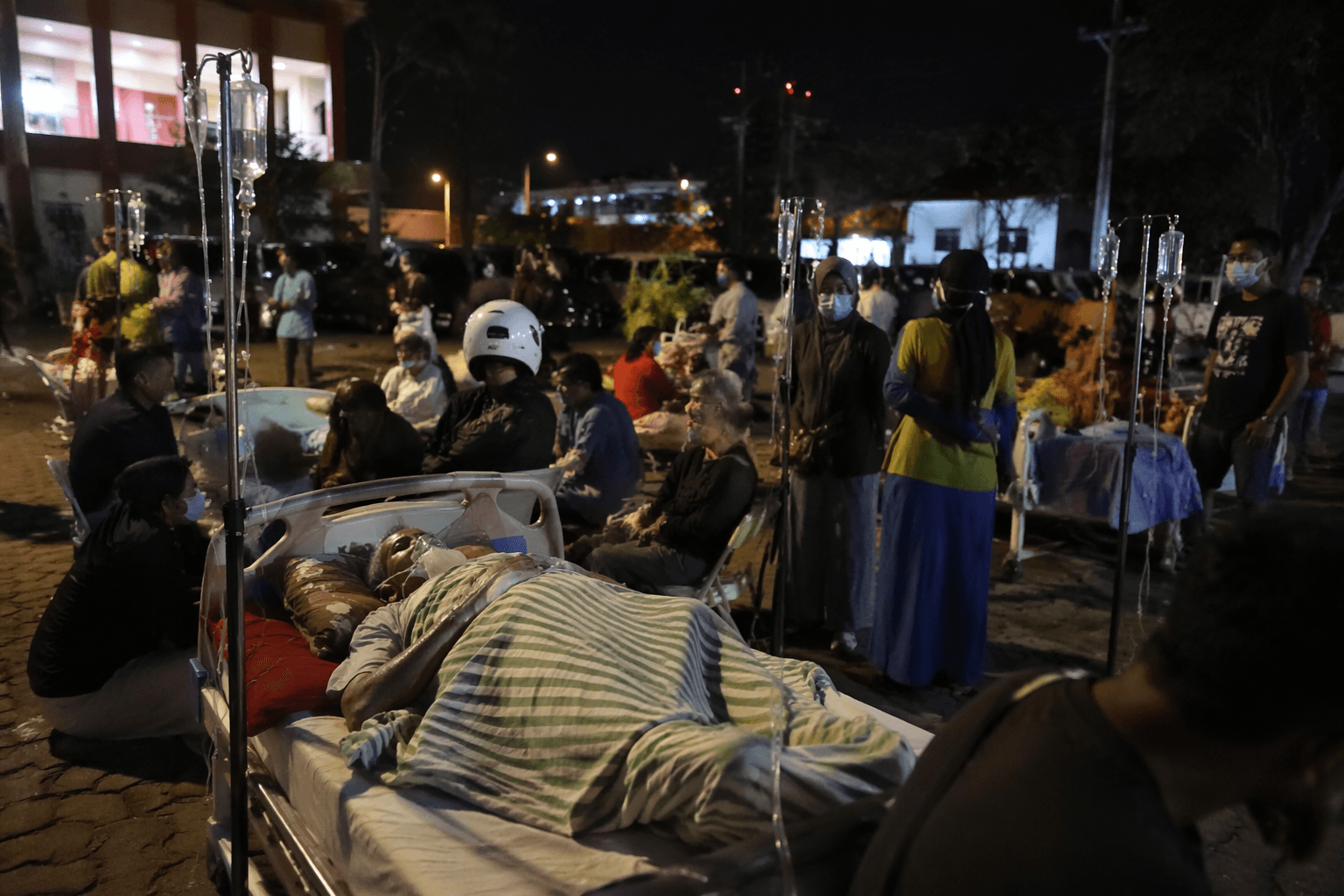
Palu, home to about 400,000 people, has lived through this kind of fear before. In 2018, the city was devastated by an earthquake and tsunami that killed more than 4,000 people, a disaster that still shapes how families, hospitals and local authorities respond to new shaking. The latest quake again pushed people into open spaces around the city as they waited for the ground to settle and for damage checks to begin.
The wider region has its own recent trauma. A magnitude 6.2 quake near Mamuju in January 2021 killed at least 100 people on Sulawesi and forced thousands to sleep outdoors because of aftershock fears. Those memories matter now because they show how a single event can trigger not only immediate injuries and structural damage, but also days of disruption, displacement and pressure on already stretched public services.
Indonesia sits along several seismic faults, making earthquakes and volcanic activity a regular part of life across the archipelago. In Palu, that means the immediate focus is on aftershocks, hospital safety and the condition of infrastructure that may already be vulnerable from past disasters. Authorities urged residents to heed official advice and remain cautious, because aftershocks can continue for hours and the next assessment will determine where damage is limited to cracks and broken walls, and where the risk is still building.
This article was produced by Prism’s automated news system from verified source data, official records, and press releases, then run through automated quality and moderation checks before publishing. The system is built and supervised by the people who set the standards it runs under. Read our full AI policy.
Know something we missed? Have a correction or additional information?
Submit a Tip