Taiwan’s Lai vows to keep pushing defense spending after budget cuts
Taiwan’s parliament slashed Lai Ching-te’s defense ask to NT$780 billion, blocking domestic drones and missiles. Lai said he would keep pushing for more.
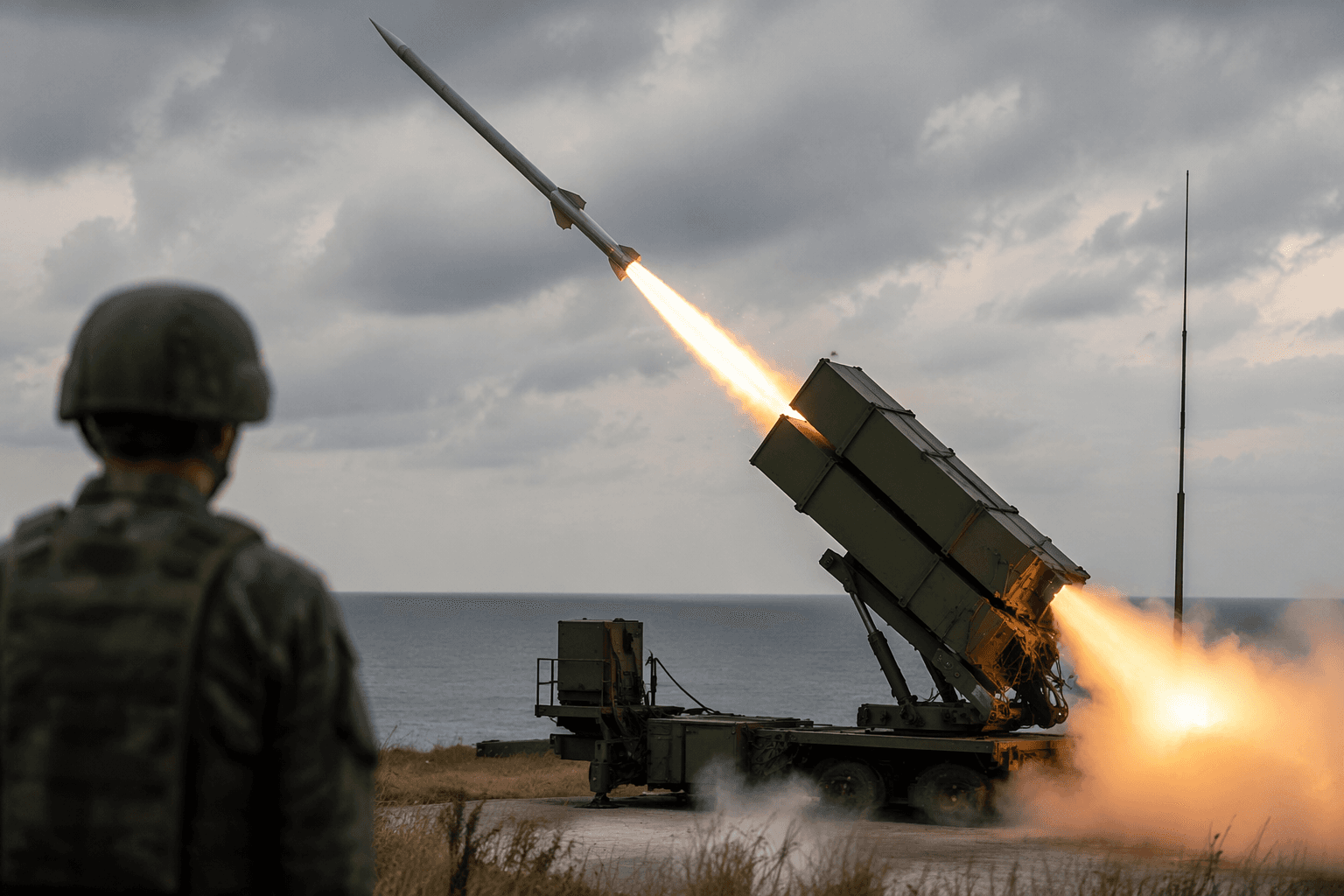
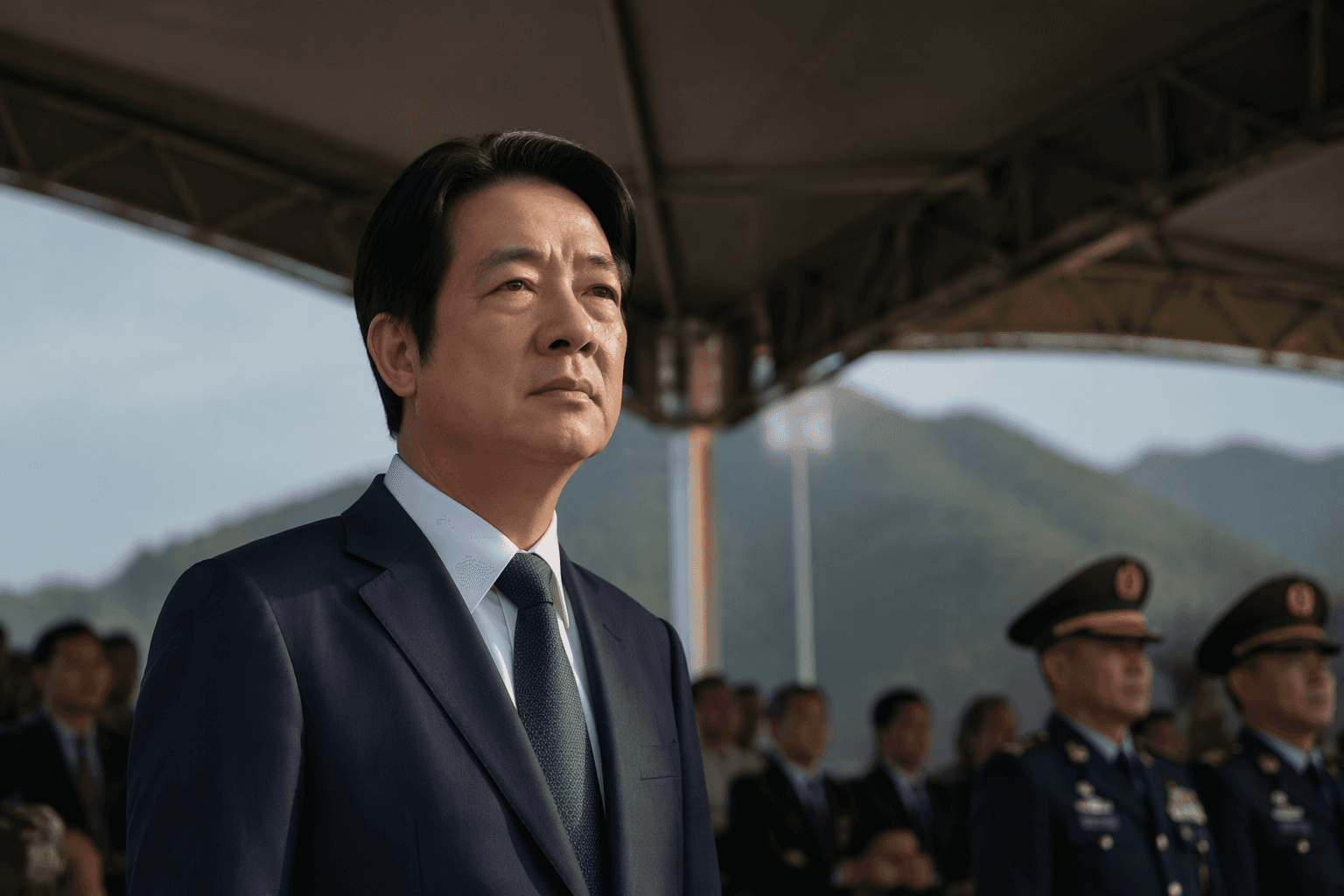
Taiwan President Lai Ching-te said he would “not give up” on raising defense spending after the opposition-controlled parliament approved only about two-thirds of his government’s proposed supplementary budget, leaving out money for domestically made drones and missiles.
The cut underscored a deeper problem for Taiwan’s deterrence strategy: the island’s military plans now depend as much on domestic political support as on the threat from China. Lai, speaking at a military base in New Taipei, said the government would look at separate special legislation, supplementary budgets or a larger annual budget so defense infrastructure and equipment projects could move ahead more smoothly.
The legislature’s decision came in Taiwan’s 113-seat parliament, where the Kuomintang and Taiwan People’s Party hold control. In May, lawmakers passed a pared-back defense package on a 59-0 vote, with 48 Democratic Progressive Party lawmakers abstaining. The approved supplemental budget totaled NT$780 billion, or about US$25 billion, far below the NT$1.25 trillion, or about US$39.6 billion, request from Lai’s administration.
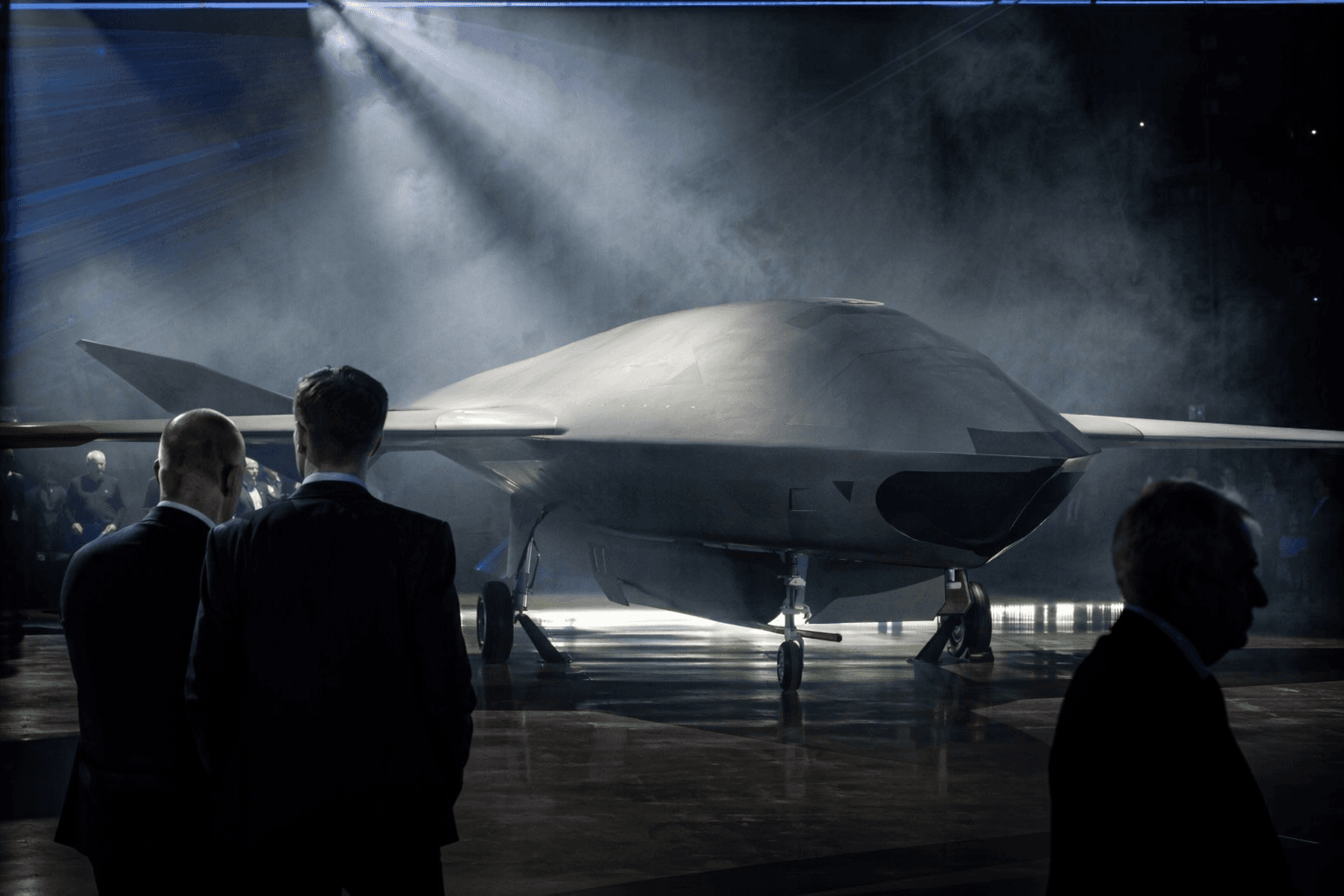
The money that did clear the legislature was directed to two separate U.S. arms packages for Taiwan. What did not survive were new domestic defense drone purchases, a cut that lands hard on a sector Taipei has framed as central to future readiness and industrial development. Taiwan’s military modernization plan has leaned heavily on drones and other asymmetric systems, which officials say can make any Chinese attack more costly by spreading risk across smaller, mobile platforms rather than relying only on big-ticket weapons.
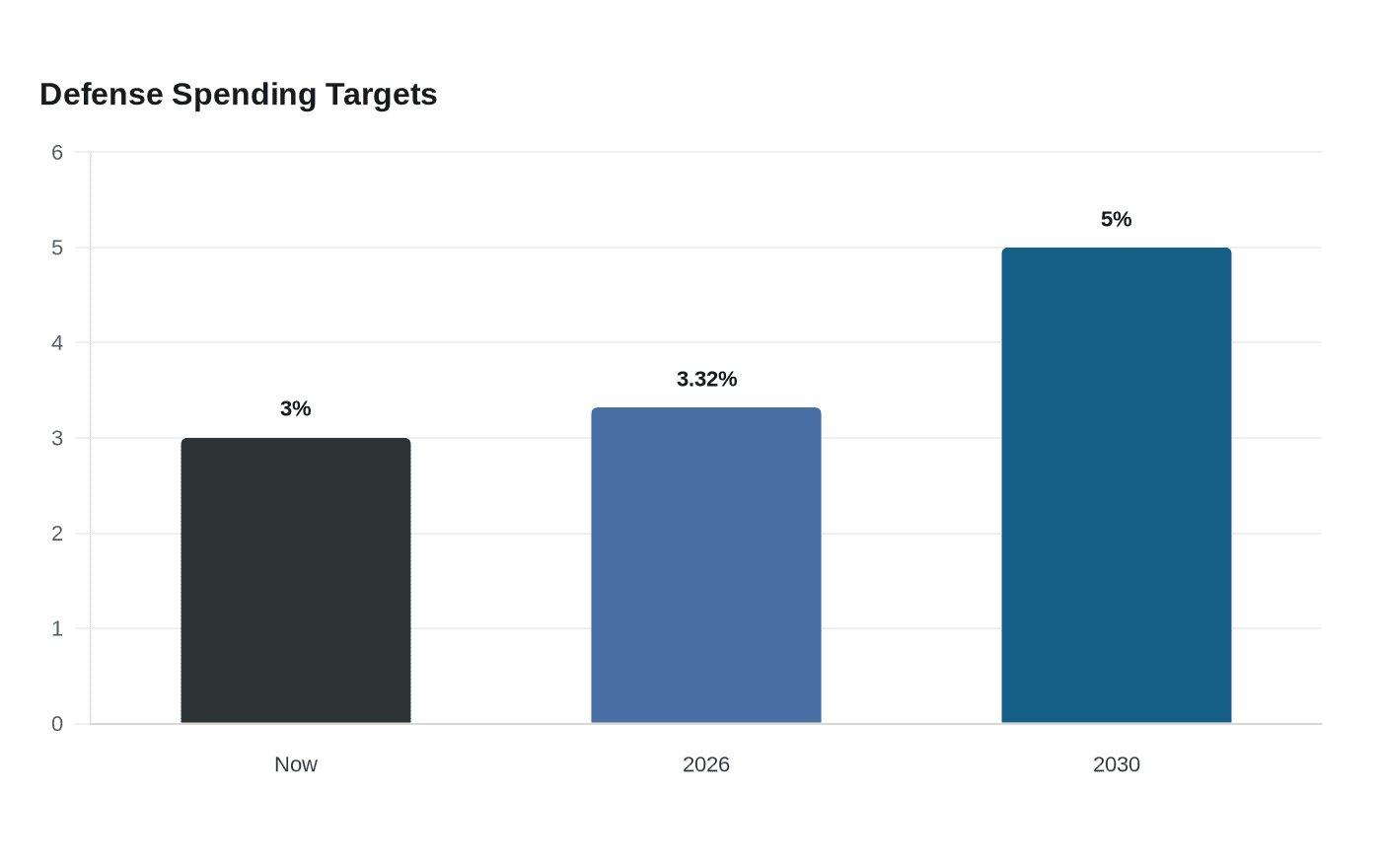
Lai has argued that Taiwan needs to move faster. He wants defense spending to reach 5% of gross domestic product by 2030, up from around 3% now. The government’s 2026 defense target is about 3.32% of GDP, the highest level since 2009, but still well short of the new goal. That gap leaves Taiwan caught between its ambitions for a more resilient force and the limits of a divided legislature.
The budget fight also sent a message beyond Taipei. U.S. officials, including Taiwan’s de facto ambassador Raymond Greene, had urged approval of the supplemental package. By trimming funding for local drones while keeping U.S. weapons purchases intact, lawmakers signaled that Taiwan’s defense debate remains split between imported systems and homegrown production, even as Washington presses for a more integrated approach. For Beijing, the vote exposed political friction inside Taiwan. For Washington, it showed that deterrence on the island still depends on whether partisan rivals can agree to pay for it.
This article was produced by Prism’s automated news system from verified source data, official records, and press releases, then run through automated quality and moderation checks before publishing. The system is built and supervised by the people who set the standards it runs under. Read our full AI policy.
Know something we missed? Have a correction or additional information?
Submit a Tip