Russian strike badly damages Ukraine’s Kyiv Pechersk Lavra monastery
A Russian strike killed 10 people nationwide and badly damaged the 1,000-year-old Kyiv-Pechersk Lavra, tearing holes in the Dormition Cathedral roof. Ukraine called it an attack on history.

A Russian attack killed 10 people nationwide and badly damaged the Kyiv-Pechersk Lavra monastery complex in Kyiv, tearing holes in the roof of the Dormition Cathedral, its main church. The strike hit a site founded in 1051 and revered as one of Eastern Orthodoxy’s most important sanctuaries, turning a battlefield assault into a blow against Ukraine’s spiritual identity.
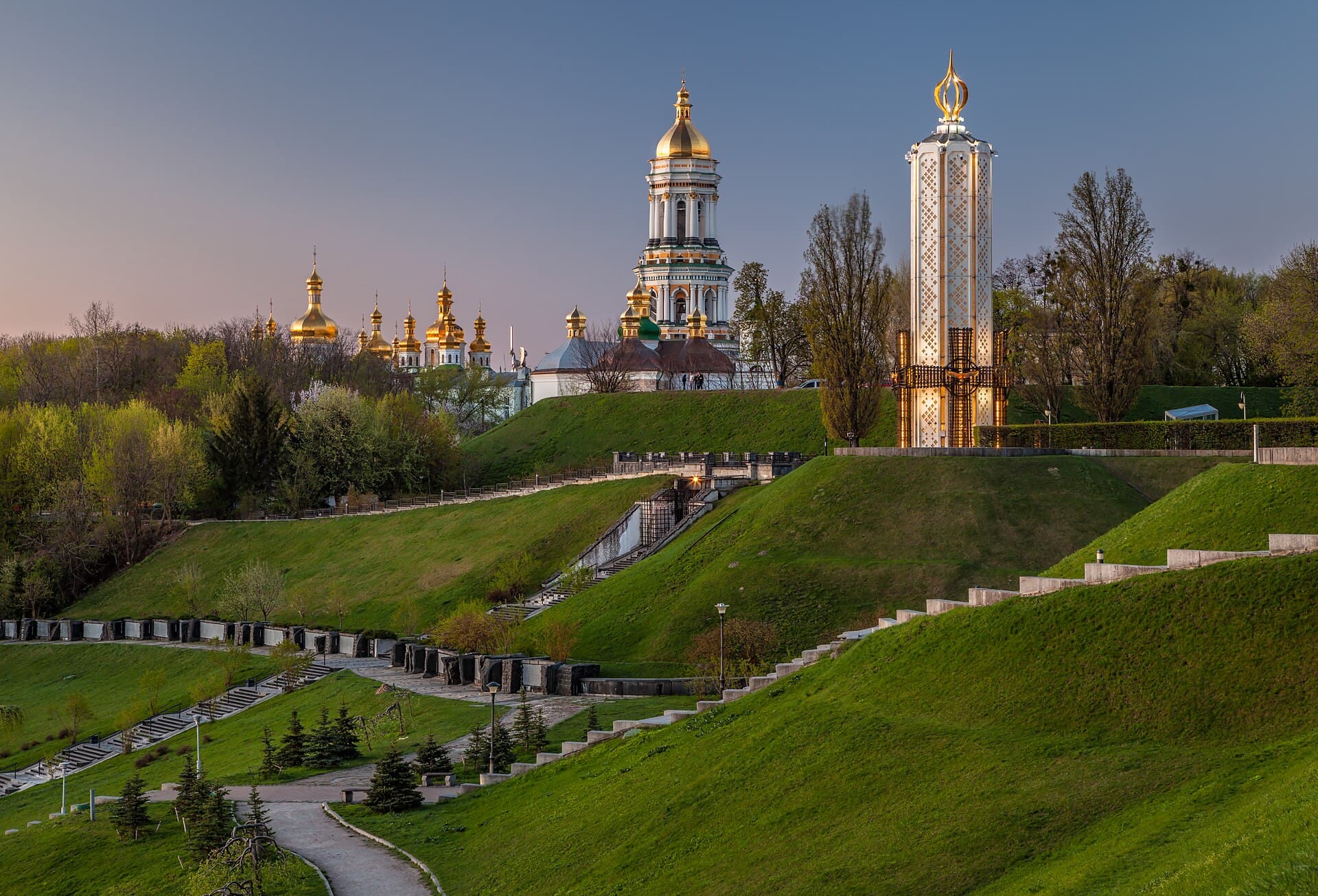
The Lavra, also known as the Monastery of the Caves, is a sprawling complex of monasteries and churches built between the 11th and 19th centuries. Some of its churches are linked by underground caves stretching more than 600 meters. UNESCO lists the broader property as Saint Sophia Cathedral and Related Monastic Buildings, Kyiv-Pechersk Lavra, and placed it on the World Heritage in Danger list in September 2023 because of the threat posed by Russia’s offensive. The monastery was declared a state historical and cultural reserve in 1926.
Firefighters and employees were still cleaning up after the blaze on Monday, June 15, as video from the site showed large holes and collapsed sections in the cathedral roof and water used to put out the fire soaking the interior. Ukrainian officials said about 140,000 households in northern Kyiv lost electricity after the attack. First Deputy Culture Minister Ivan Verbytskyi said the most valuable religious relics had been evacuated before or during the aftermath of the strike.
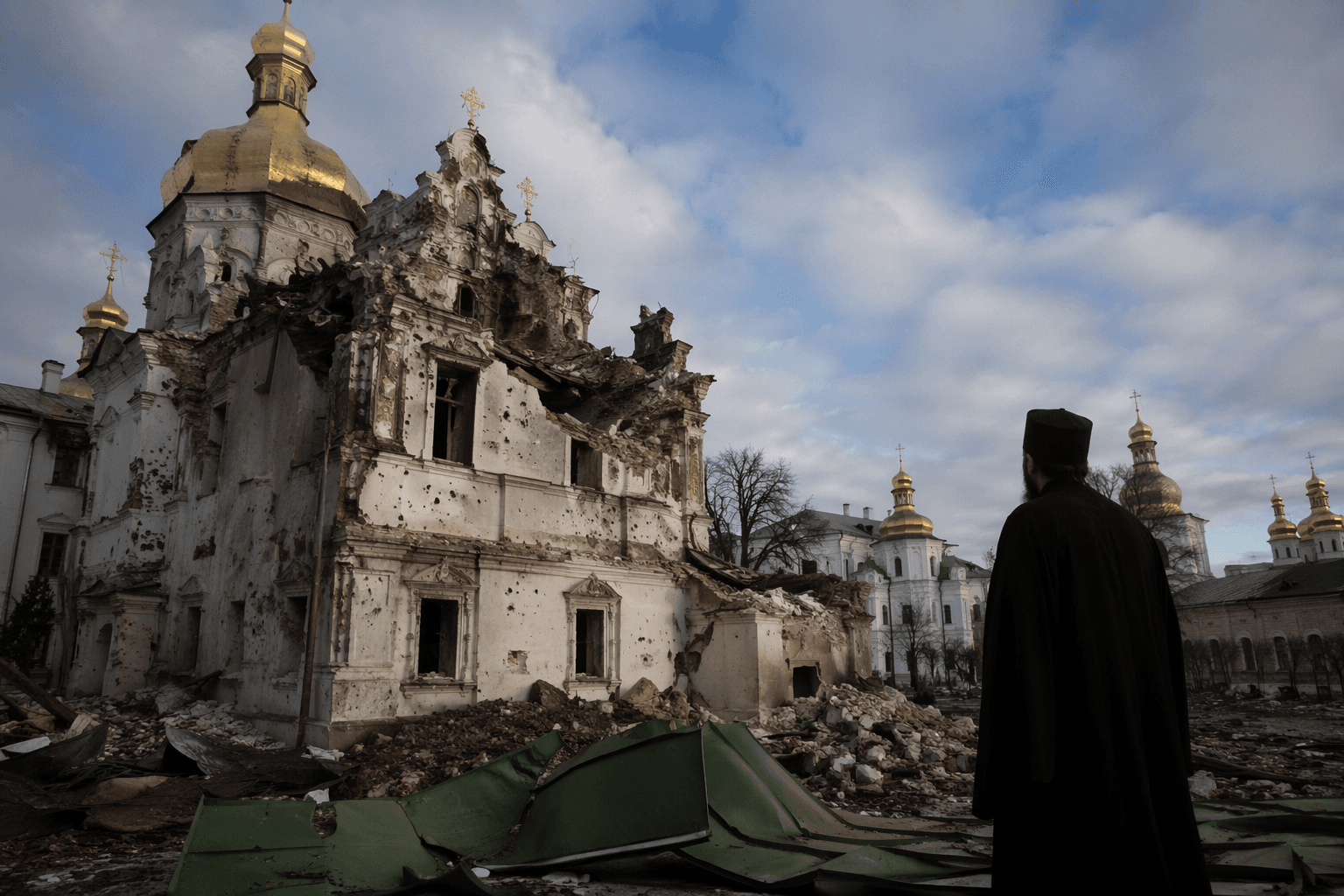
President Volodymyr Zelenskiy visited the damaged monastery and cast the attack as an assault on national memory as well as civilian infrastructure. “This is an attack on our history,” he said, adding, “Of course, everything will be restored.” He described the strike as one of Russia’s most serious crimes against Christian culture, underscoring the monastery’s importance not only as a religious site but as a symbol of Ukrainian statehood and resilience.
The broader strike came hours after Donald Trump spoke with leaders of both countries about ending the war and before a G7 meeting in France, widening the diplomatic reverberations beyond Kyiv. France’s foreign minister compared the damage to bombing Notre-Dame Cathedral in Paris, a comparison that reflected how sharply the assault on the Lavra resonated internationally. UNESCO condemned the June 15 strike but did not name Russia in its statement, prompting criticism from Ukraine’s foreign ministry.
Russia denied targeting the monastery and called the allegation “a crude fake,” saying a U.S.-made Patriot missile caused the damage. Ukraine’s security service said it found fragments of a Geran-2 drone at the site, though that claim could not be independently verified. Whatever weapon caused the blast, the result was unmistakable: another landmark of Ukrainian culture was scarred in a war that is increasingly defined by the destruction of both lives and heritage.
This article was produced by Prism’s automated news system from verified source data, official records, and press releases, then run through automated quality and moderation checks before publishing. The system is built and supervised by the people who set the standards it runs under. Read our full AI policy.
Know something we missed? Have a correction or additional information?
Submit a Tip