Russia eases fuel standards as Ukraine strikes strain refineries
Russia is letting some refineries sell dirtier fuel at home as Ukrainian drone strikes cut output and send drivers queuing in Sevastopol.
Russia is letting some oil refineries produce fuel for the domestic market under lower environmental specifications, a tradeoff that shows how Ukraine’s strikes on energy infrastructure are reaching beyond refinery gates and into daily life at the pump. The move is meant to keep supplies moving, but it also signals how far wartime damage has pushed Moscow to relax standards that normally govern what motorists and industries can buy.
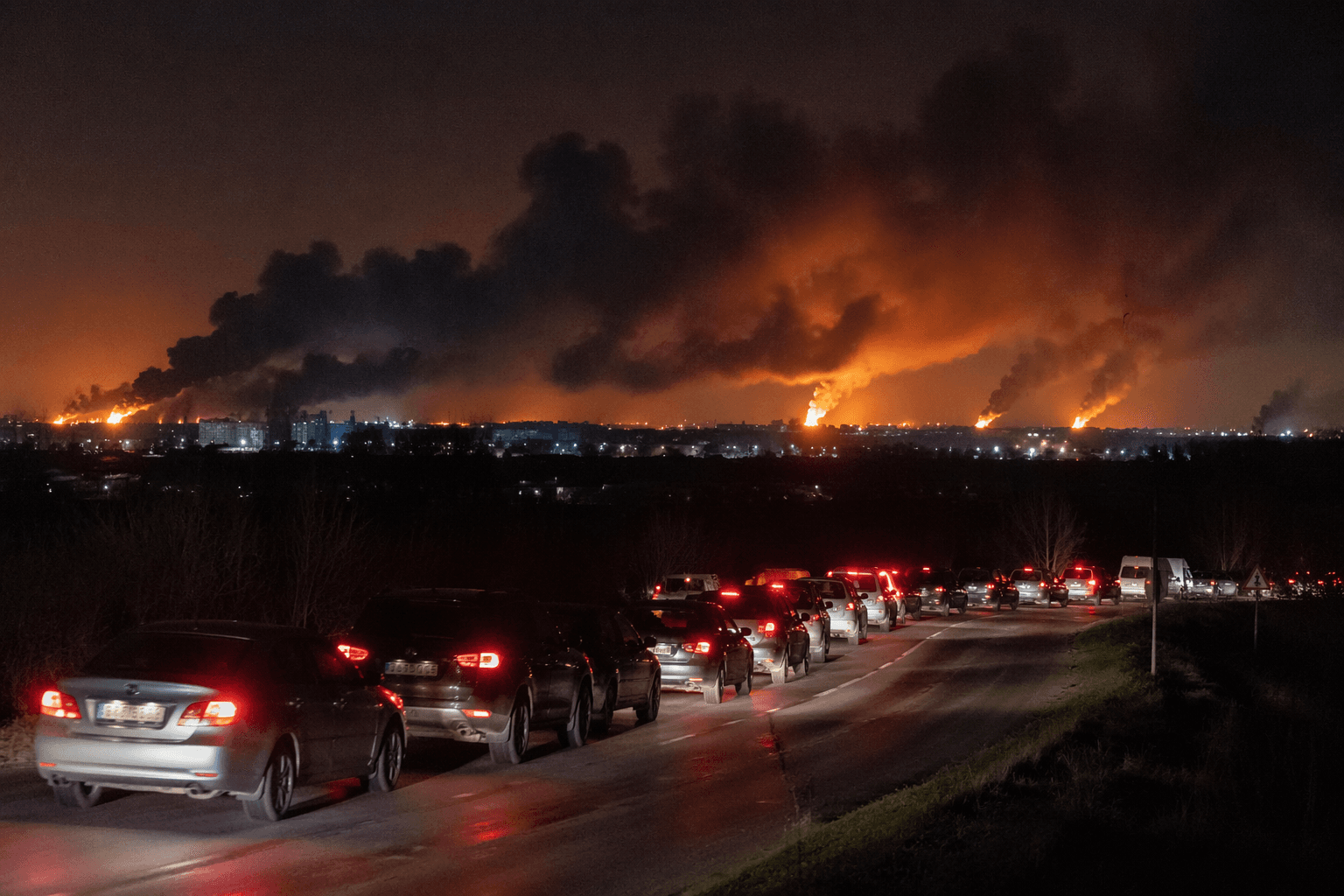
The easing comes as the number of drone strikes on Russian refineries has doubled since the start of 2026, forcing full or partial shutdowns and reducing output of gasoline, diesel and jet fuel. Under the relaxed rules, gasoline can contain as much as 150 parts per million of sulfur, roughly 15 times the maximum allowed in Europe, China and India. Refiners can also make fuel with a higher share of aromatic hydrocarbons, compounds linked to health problems.
The loosening was not a one-off response. Kommersant said the government had already introduced the change last autumn to head off shortages, then extended it on May 1. Market participants and media reporting indicate the policy has already been used in at least some isolated cases, even though official documents on the changes could not be found.
The strain is now visible across the country. Reuters reported supply disruptions in around a dozen Russian regions, while broader counts cited by other outlets put the number at at least 25. Wholesale AI-95 gasoline and diesel prices on the St. Petersburg International Mercantile Exchange rose 10 percent in the first half of June, underscoring how the attacks are tightening the market even as the government tries to shield consumers.
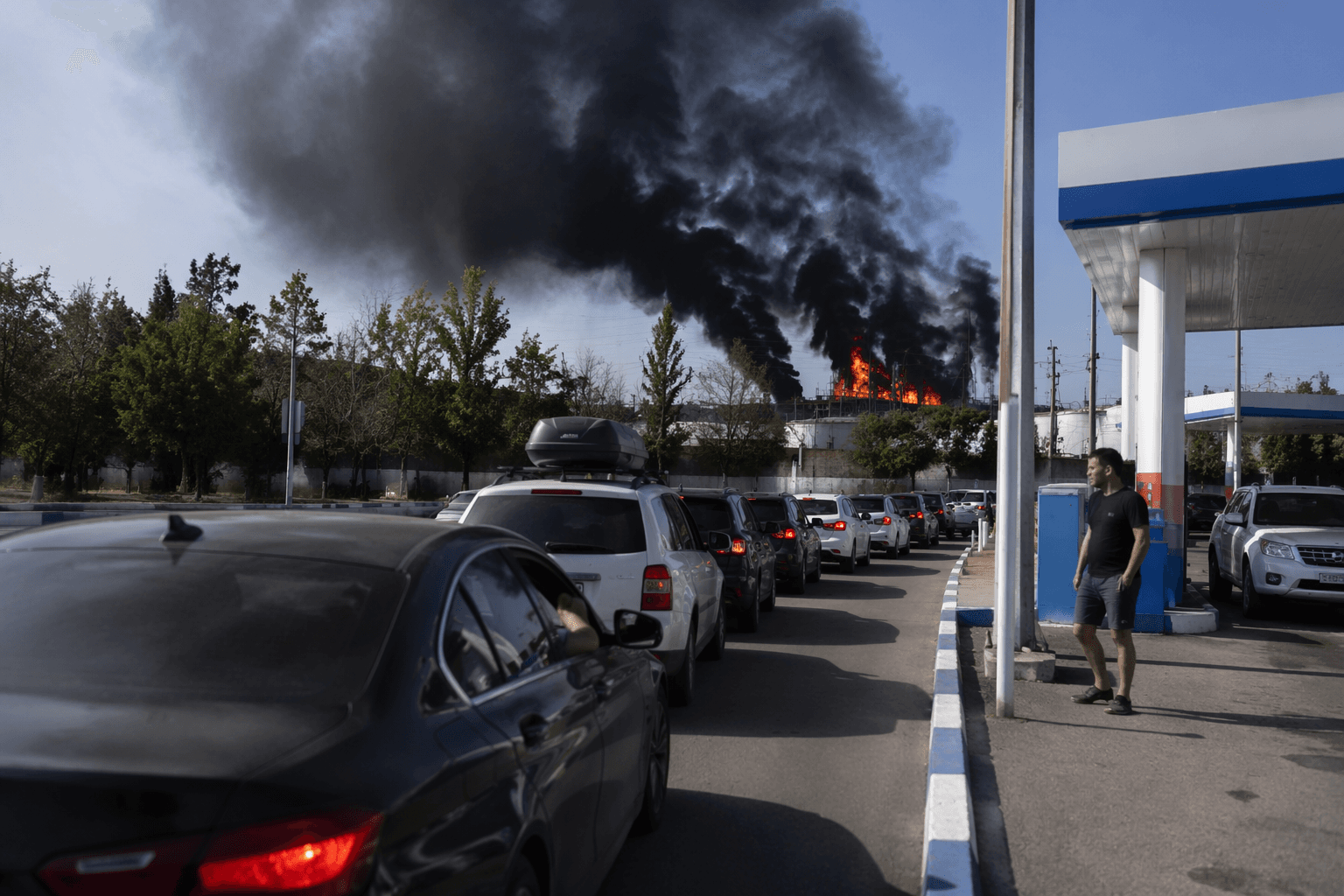
Sevastopol has become one of the sharpest examples of the pressure. In early June, authorities restricted fuel sales and cars lined up at stations in annexed Crimea’s biggest city. At one station, a woman waiting for gasoline said the problem would not be solved until the war itself ends, a blunt reminder that battlefield damage is now feeding directly into household frustration inside Russia.
Moscow has already moved on several fronts to defend domestic supply, including banning jet fuel exports after record refinery attacks. The emerging pattern is clear: as Ukraine’s drone campaign keeps hitting refineries and logistics routes, Russia is protecting volume by tolerating lower-quality fuel, a compromise that points to deeper strain in its wartime economy.
This article was produced by Prism’s automated news system from verified source data, official records, and press releases, then run through automated quality and moderation checks before publishing. The system is built and supervised by the people who set the standards it runs under. Read our full AI policy.
Know something we missed? Have a correction or additional information?
Submit a Tip