U.S.-Iran deal would reopen Hormuz, lift sanctions under ceasefire plan
Trump’s new Iran framework would reopen Hormuz, allow unrestricted oil sales and channel $300 billion into rebuilding, echoing the sanctions trade-offs he once denounced.

Donald Trump spent years attacking Barack Obama’s Iran nuclear deal as too soft on Tehran. Now, a new U.S.-Iran ceasefire framework reportedly does something strikingly similar: it would reopen the Strait of Hormuz without tolls, let Iran sell oil without restrictions and pair sanctions relief with a $300 billion plan to rebuild the country.
That contrast is not just rhetorical. The 2015 Joint Comprehensive Plan of Action, reached by the United States, the European Union and Iran on July 14, 2015, sought to ensure Iran’s nuclear program would remain exclusively peaceful. The Obama White House said the deal cut off Iran’s pathways to a nuclear weapon by combining sanctions relief with strict limits on enrichment and intrusive inspections by the International Atomic Energy Agency. Treasury’s JCPOA archive says the United States lifted nuclear-related sanctions after Iran verifiably met its commitments on Implementation Day.
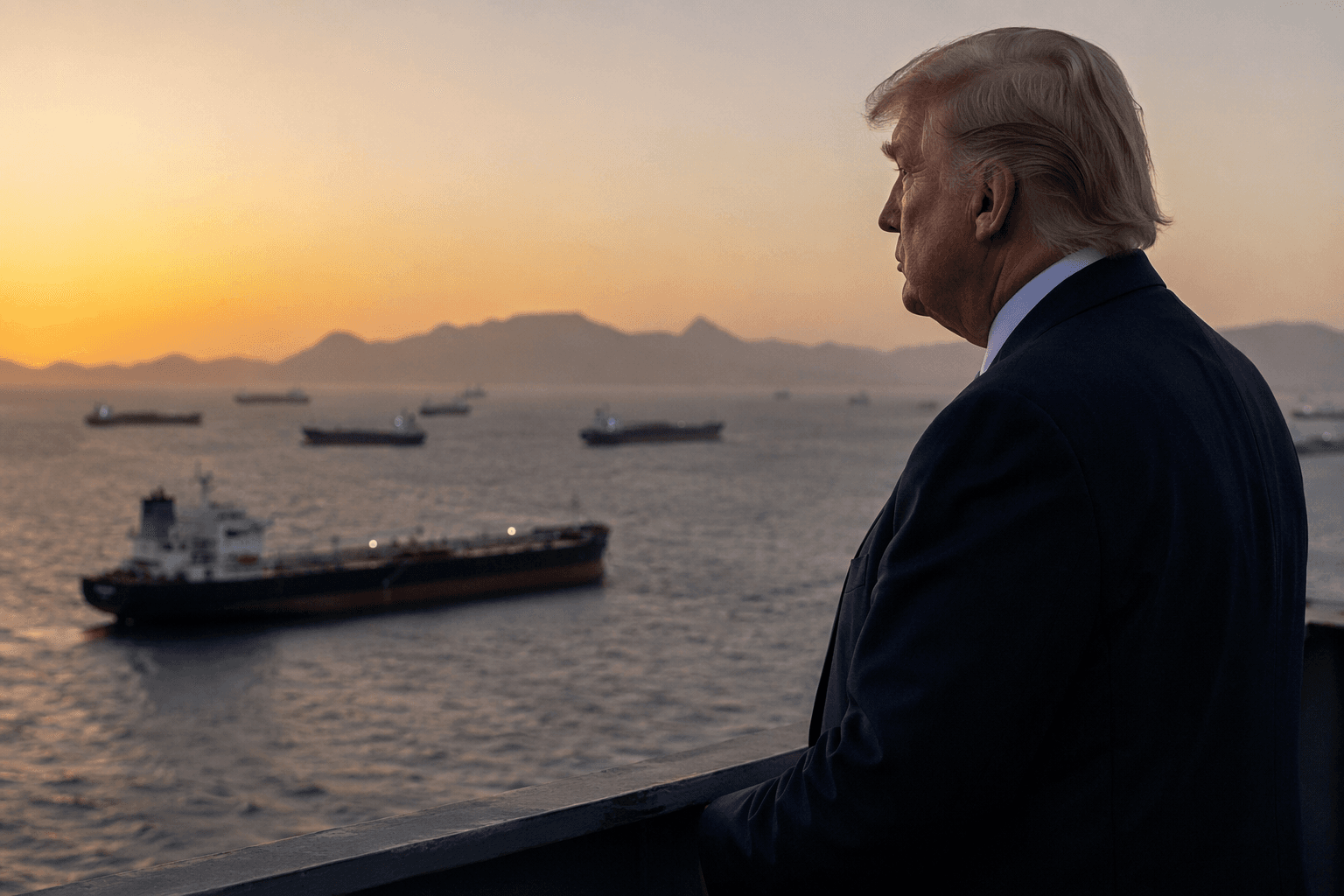
Trump withdrew the United States from that accord in 2018, and his administration kept using sanctions pressure against Iran in 2026. The new framework would again trade relief for constraints, but on a broader scale: multiple reports say the draft would lift or suspend sanctions, allow unrestricted Iranian oil sales and set a 60-day period for follow-on talks over nuclear issues. The administration and Iran were reported on June 15, 2026, to have agreed on terms to end the war and reopen the Strait of Hormuz, with Iran expected to take immediate steps once a tentative deal is signed. A formal signing is expected in Switzerland later this week.
The political risk is obvious. Trump is now being asked to sell a bargain that critics, including some Republican allies, say resembles the very sanctions-for-concessions formula he condemned in Obama’s deal. Supporters argue the difference is leverage: Iran has been weakened by months of fighting that disrupted global energy markets, and a broader settlement could finally slow the conflict. But major issues remain unresolved, including uranium stockpiles, enrichment, Lebanon and the future of Iran’s nuclear program.
That gap matters beyond Washington. Since 1979, the United States has imposed restrictions on Iran after the seizure of the U.S. Embassy in Tehran, and sanctions have become one of the most durable tools in U.S. foreign policy. If Trump now embraces a deal that looks, in structure if not in scale, like the one he spent years condemning, he risks widening the credibility gap at home while signaling abroad that U.S. policy can pivot sharply with the politics of the moment.
This article was produced by Prism’s automated news system from verified source data, official records, and press releases, then run through automated quality and moderation checks before publishing. The system is built and supervised by the people who set the standards it runs under. Read our full AI policy.
Know something we missed? Have a correction or additional information?
Submit a Tip