U.S., Iran discuss reopening Strait of Hormuz in peace talks
U.S. and Iranian negotiators weighed a deal to reopen the Strait of Hormuz, where about 20% of the world’s oil and one-fifth of LNG still moved.
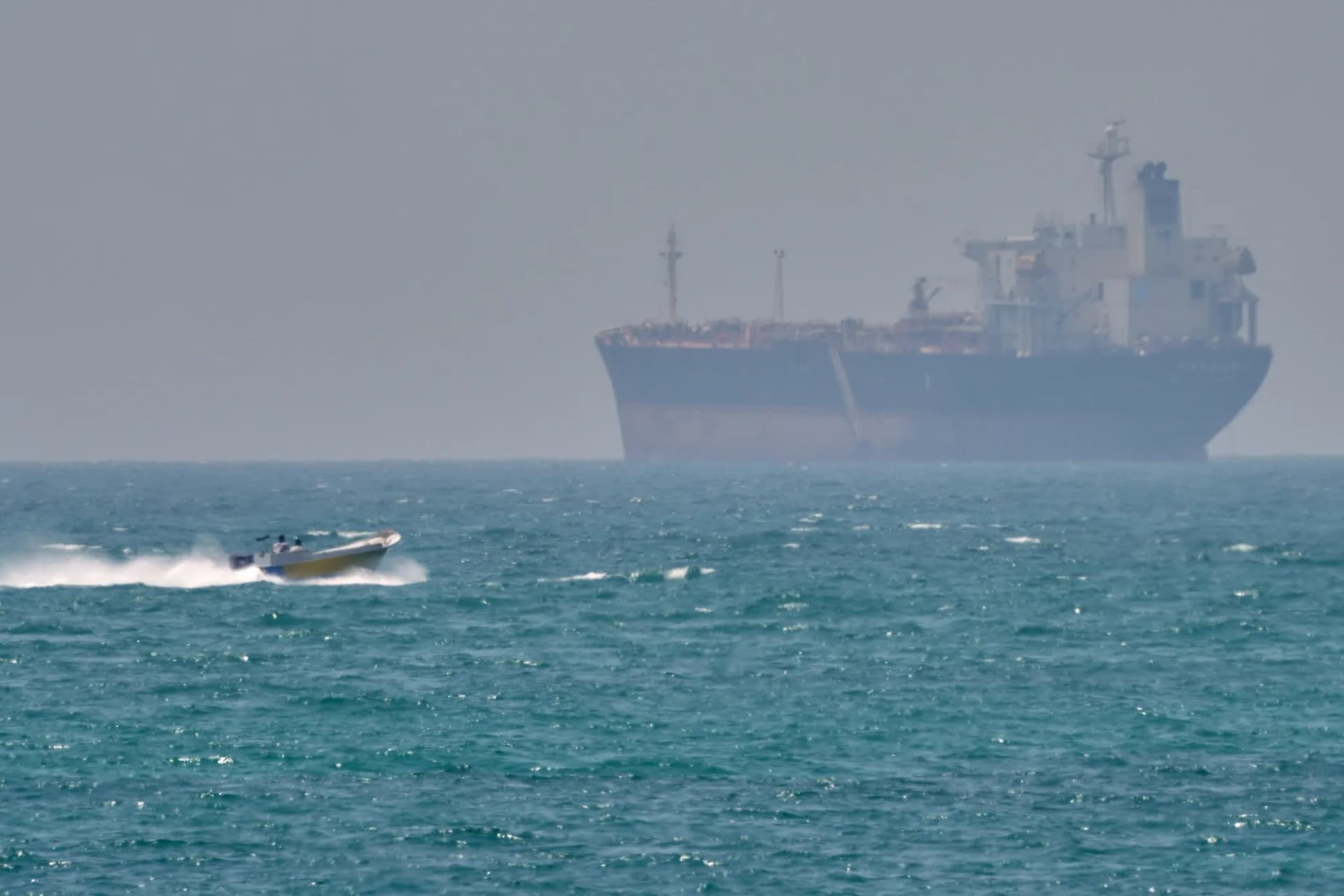
U.S. and Iranian negotiators were discussing a deal that would reopen the Strait of Hormuz, a move with immediate consequences for tanker traffic, oil prices and the flow of gas through one of the world’s most important chokepoints. The emerging framework was tied to a broader memorandum of understanding meant to stop the fighting and open wider talks, but it would only matter if both sides accepted changes that went far beyond diplomatic language.
The outline under discussion called for Iran to ease its grip on the strait while the United States gradually lifted its naval blockade over roughly 30 days. The White House believed it was nearing a one-page, 14-point memorandum, but several major disputes remained unsettled, including Iran’s nuclear program. That gap matters because the deal would not just be about access to water. It would require Tehran to accept limits on how it pressures shipping, while Washington would have to trade military leverage for a promise that passage through the strait stays open.

The stakes are unusually high. In 2024, about 20 million barrels of oil a day moved through the Strait of Hormuz, or roughly 20% of global petroleum liquids consumption. In the first half of 2025, total oil flows averaged 20.9 million barrels a day, according to the U.S. Energy Information Administration, and about one-quarter of all globally traded maritime oil crossed the strait. Roughly one-fifth of global LNG trade also transited the waterway in 2023 and 2024. Any tolling system, blockade or lingering restriction would ripple quickly through freight rates, insurance premiums and fuel costs far beyond the Persian Gulf.

The Trump administration had already made clear that it viewed any Iranian attempt to control the route as unacceptable. On May 5, the State Department said Iran’s efforts to close the strait, threaten ships, lay sea mines and charge tolls were unacceptable. On May 22, Secretary of State Marco Rubio said Iran’s attempt to create a tolling system in the Strait of Hormuz was “not acceptable” and said there were still “good signs” in the talks.


History also argued for caution. The last major nuclear accord, reached in 2015, took years to negotiate and was later torn up by Donald Trump in 2018. That collapse still shadows any new understanding: if the parties cannot settle the nuclear question, the shipping arrangement may prove temporary, and the strait will remain a barometer of how fragile the wider diplomacy really is.
This article was produced by Prism’s automated news system from verified source data, official records, and press releases, then run through automated quality and moderation checks before publishing. The system is built and supervised by the people who set the standards it runs under. Read our full AI policy.
Did this article answer your question?


