US-Iran nuclear talks in Islamabad end without agreement
A 21-hour push in Islamabad collapsed over Iran’s nuclear red line, putting a fragile two-week ceasefire and the Strait of Hormuz back in play.

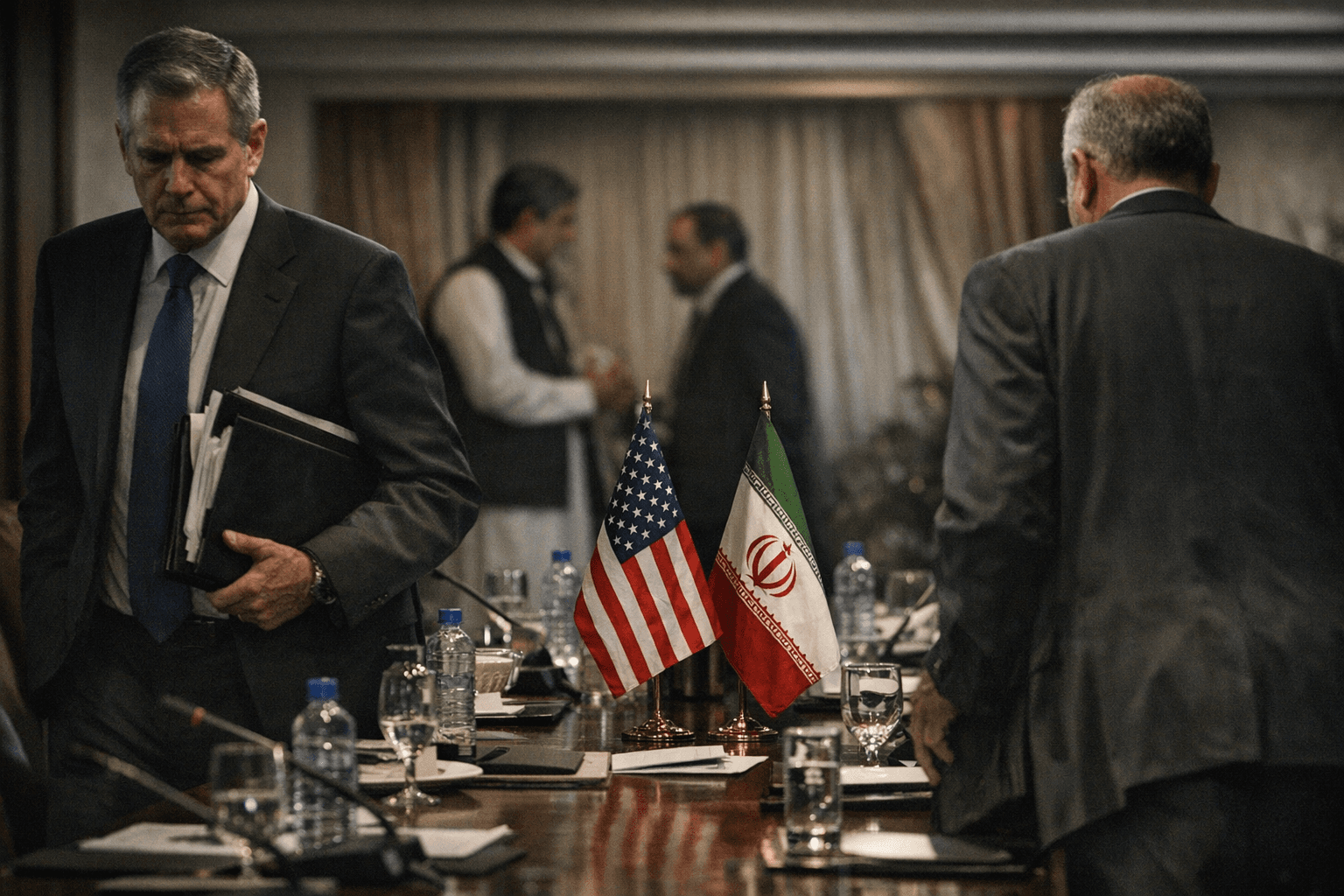
Twenty-one hours of face-to-face negotiations in Islamabad ended without an agreement, leaving the United States and Iran at a familiar crossroads: another diplomatic opening, or a faster slide into escalation. US officials said the talks broke down because Iran would not commit to abandoning a path to a nuclear weapon, while Iranian officials blamed Washington for the failure without publicly spelling out the sticking points.
The immediate consequence is pressure on a two-week ceasefire brokered by Pakistan after weeks of war. The talks were meant to stabilize a conflict that had already shaken the region, but the ceasefire only partially held and the collapse in Islamabad now raises the risk that it unravels. JD Vance said the marathon session did not immediately produce an agreement to end the war, underscoring how little margin remains for error.
The most realistic next step is another attempt at diplomacy, likely through back channels or a fresh round of meetings, if both sides decide the costs of failure are too high. Reuters-based live coverage indicated that some conversations reportedly continued after the US delegation left Islamabad, a sign that neither side has fully closed the door. The previous major opening came in Muscat, Oman, on April 12, 2025, where indirect nuclear talks involved Abbas Araghchi, Steve Witkoff and Oman’s foreign minister, Badr al-Busaidi.
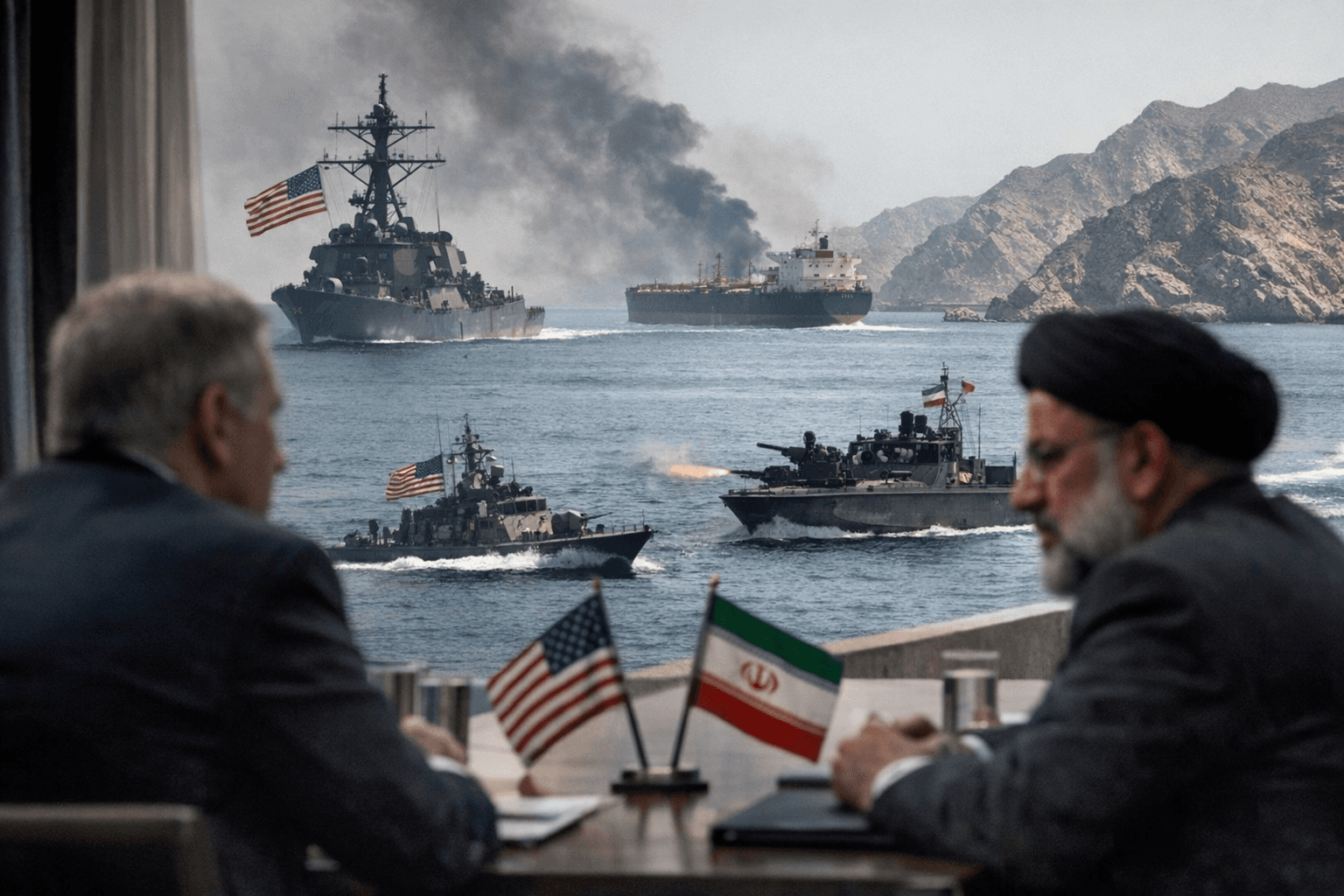
But the path forward is narrow. President Donald Trump has publicly threatened escalation, including the possibility of a US Navy blockade of the Strait of Hormuz, a move that would put one of the world’s most important energy chokepoints at the center of the crisis. Any effort to tighten pressure there would be read in Tehran as a direct challenge, and any Iranian counterstep could draw in US forces already positioned in the Middle East.
The talks also reopened old fault lines that have defined US-Iran relations since the 1979 Islamic Revolution and the hostage crisis that followed. The 2015 Joint Comprehensive Plan of Action was the last major nuclear agreement, and the US withdrawal from that deal in 2018 left the enrichment fight, sanctions relief and verification terms unresolved. That history makes the next phase clear: unless Washington and Tehran find a narrower formula that both can sell at home, the conflict is more likely to move through pressure, probes and proxy risk than through a clean breakthrough.
Know something we missed? Have a correction or additional information?
Submit a Tip