US-Iran Peace Talk Signals Drive Volatile Trading Across Global Markets
Iran's foreign minister flatly denied any talks with Washington even as Trump's 15-point peace plan rattled oil, bonds and Asian stocks across multiple sessions.
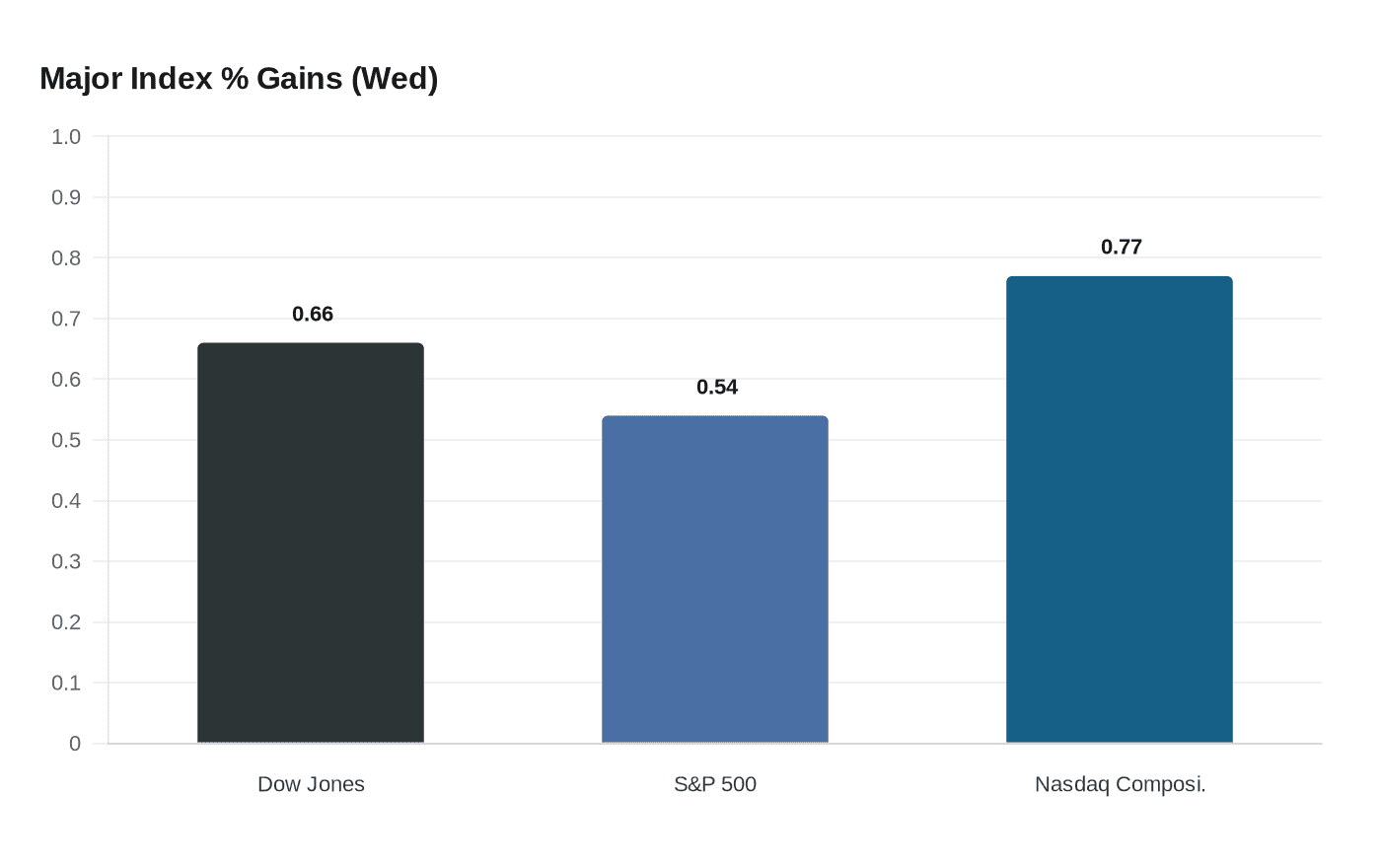
Crude oil settled near $103 a barrel and Asian equities swung between gains and losses across successive sessions this week as investors scrambled to price a conflict neither side could agree was even being negotiated. The whipsaw was captured in a single statistic: the Dow Jones Industrial Average gained 305 points, or 0.66%, while the S&P 500 rose 0.54% to 6,591.90 and the Nasdaq Composite advanced 0.77% on Wednesday — all three indexes closing higher even as the diplomatic picture darkened by the hour.
The pattern was set earlier in the week when Trump said the U.S. and Iran were "in negotiations right now" and suggested Tehran was keen to strike a peace deal, adding he had stepped back from threats to target Iranian energy infrastructure "based on the fact we're negotiating." Trump also issued a 15-point plan containing US-Israeli demands for ending the war, delivered to Iran through Pakistan. That disclosure briefly lifted sentiment across markets before Tehran's responses hit the wires.
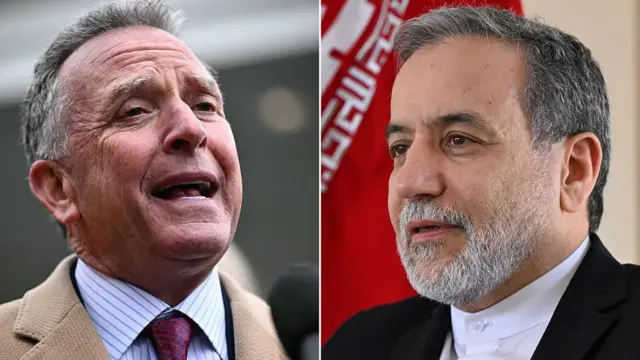
Iranian Foreign Minister Abbas Araghchi told state television that no peace talks with the U.S. have taken place. "No negotiations have happened with the enemy until now, and we do not plan on any negotiations," Araghchi said. Iran's Fars news agency reported that Deputy Speaker of Parliament Ali Nikzad said there would be no talks, while the Strait of Hormuz would remain effectively closed — a statement that directly contradicted Washington's public posture.
The resulting market churn was precisely what analysts had warned about. "Markets have been extremely headline driven as we keep getting different, conflicting messages on the Iran situation," said Fabien Yip, market analyst at IG International. "Markets need more certainty on what the outcome would be. Until there is agreement on the truce terms, unfortunately we will still see these swings."
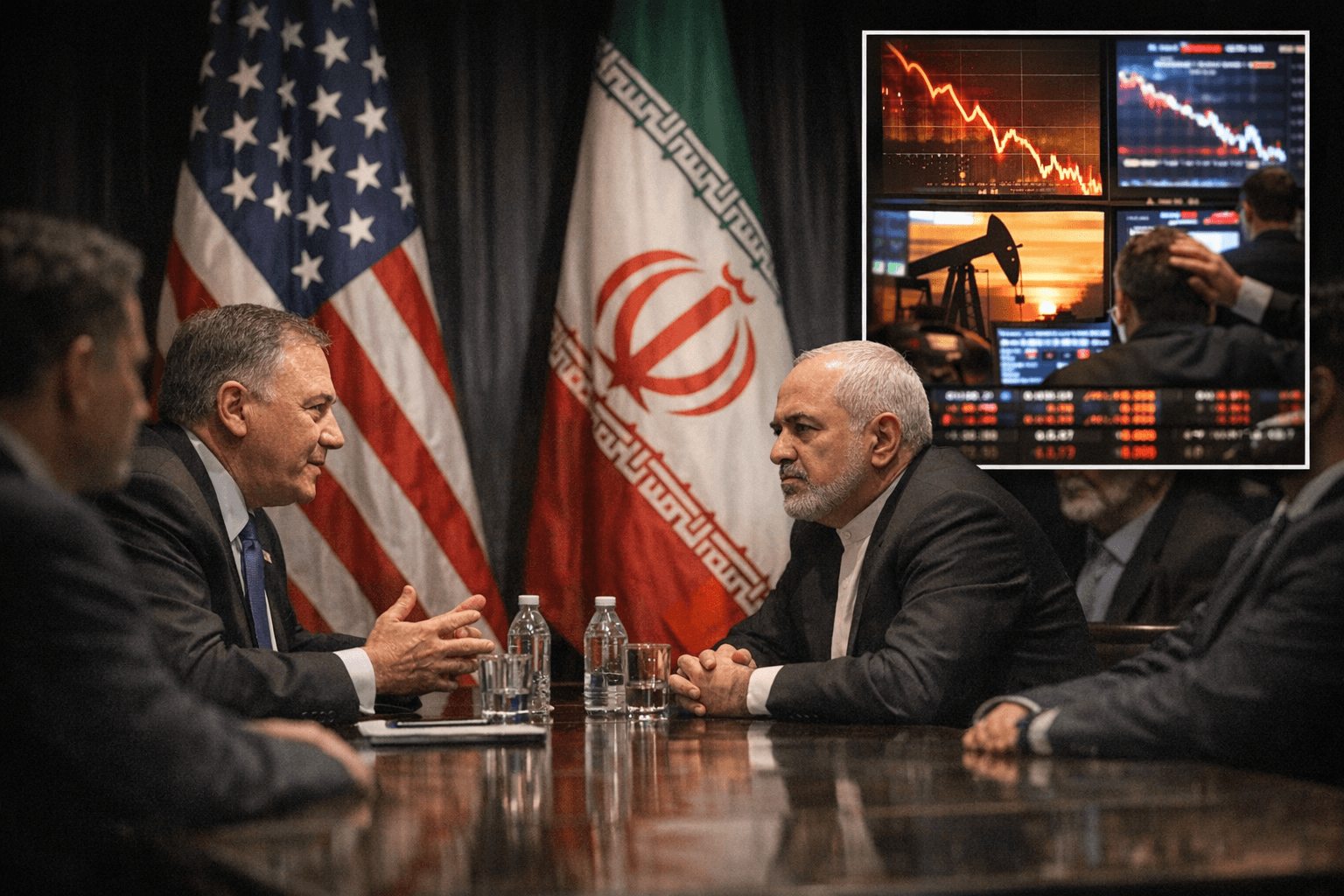
News of the 15-point peace plan sparked hopes early Wednesday, initially driving S&P 500 and Nasdaq 100 futures up more than 1%. But reports that Iran had responded negatively briefly knocked index futures off their pre-market highs and lifted oil prices off their morning lows. U.S. crude oil traded off its lowest levels of the day and was down only 1.4% to about $90 per barrel by late afternoon.
In Asian sessions, the moves were equally unsteady. Asian shares fell 0.6%, snapping a two-day rise, while the MSCI All Country World Index was set for its first drop of the week. South Korea's Kospi had jumped 1.59% to 5,642.21 in an earlier session, while Australia's S&P/ASX 200 rose 1.85% to 8,534.3 — gains that evaporated as subsequent sessions brought South Korean shares down 1.9% and Asian memory and storage stocks lower, tracking losses in U.S. peers on concerns about lower demand after Google researchers touted a new compression technique for large language models and vector search engines.
Brent crude rose 1% to about $103 a barrel in one session, rebounding from a 2.2% drop the prior day. Oil has been volatile throughout the week, with losses typically followed by recoveries as headlines alternated between optimism and rejection. Iran has fired missiles and drones across the wider Middle East, including at critical oil and gas facilities in the Gulf region, and has essentially shuttered the Strait of Hormuz, sending oil prices soaring.
Japan's two-year government bond yield climbed to its highest level since 1996, while five-year yields hit a record, as expectations built for a near-term Bank of Japan rate hike. The yield on Japan's two-year bond rose to 1.32% on March 26. The bond retreat reflected growing concern that elevated oil prices would stoke inflation and slow economic growth, complicating central bank decisions across the region.
The geopolitical strain has forced Asia-Pacific governments into contingency mode. South Korea set up an emergency task force to prepare for adverse scenarios, Japan began reviewing its supply chain for petroleum-related products, and the Philippines declared a national emergency. In the U.S., the Postal Service announced it is seeking a temporary 8% fuel surcharge on package and express mail deliveries, while farmers face potential serious supply constraints on essential fertilizer products, with around one-third of the global seaborne fertilizer trade normally passing through the Strait of Hormuz.
The war, which the U.S. and Israel launched on February 28 as negotiations with Iran were ongoing, has roiled energy and stock markets worldwide, disrupted shipping, and resulted in casualties across the Middle East. The path to a ceasefire appeared deeply uncertain, with little visibility into whether, or when, talks between the U.S. and Iran may begin.
Know something we missed? Have a correction or additional information?
Submit a Tip