U.S.-Iran preliminary deal sends stocks up, oil prices down
Oil slid about 5% to a three-month low as a U.S.-Iran deal calmed markets, but sanctions relief and recovery remain far from settled.
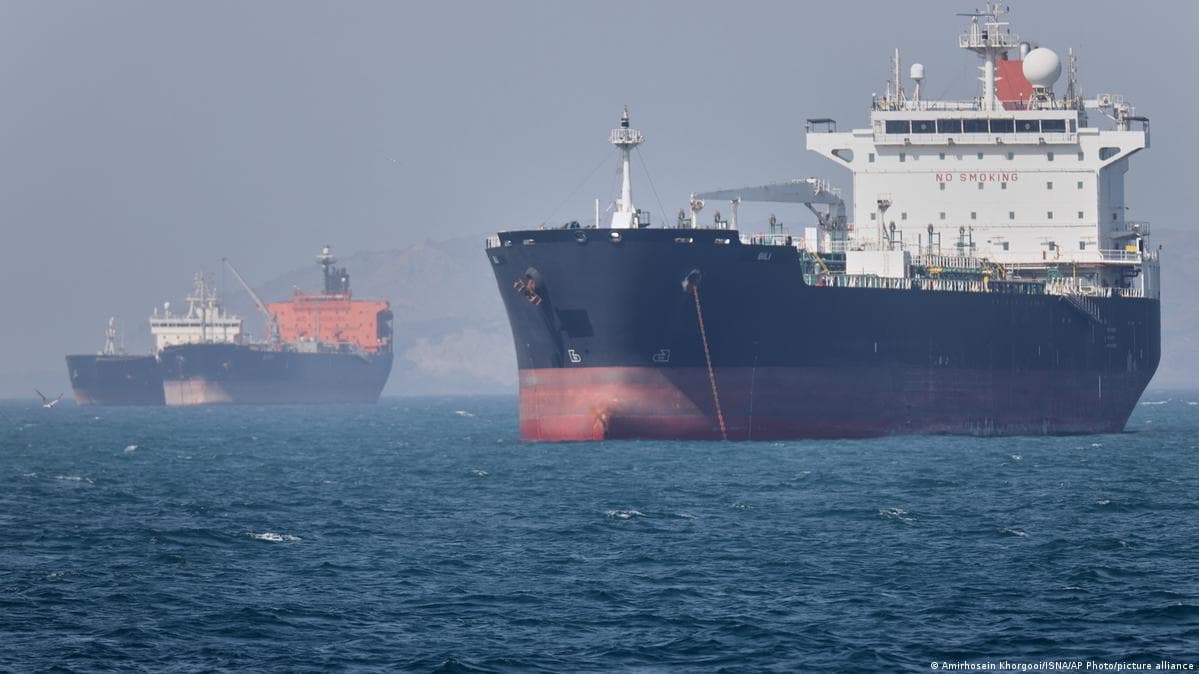
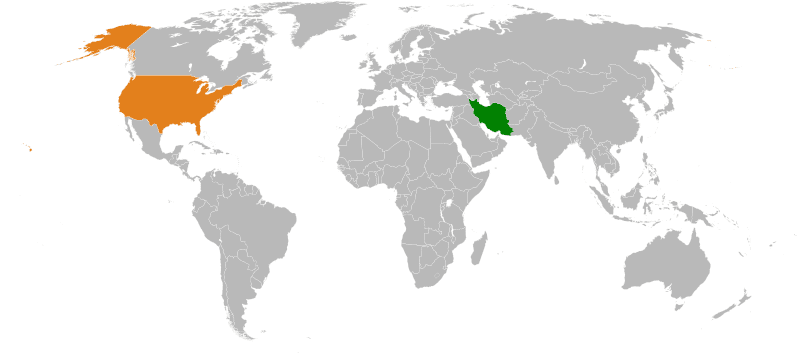
The first signs of peace between the United States and Iran jolted markets, but they did not erase the damage from nearly four months of war. Stocks rose around the world and oil fell sharply as traders bet that a tentative deal could reopen the Strait of Hormuz, yet the bigger economic problems, from slower trade to higher consumer prices, will take far longer to unwind.
The agreement is still only a preliminary framework. The draft terms discussed include reopening the Strait of Hormuz, U.S. waivers on oil sanctions, the release of frozen Iranian assets and a 60-day period for further talks over Tehran’s nuclear work. Major questions remain unresolved, including Iran’s nuclear program, the future of sanctions relief and whether regional terms can hold.

Oil markets reacted immediately. Crude fell about 5% on June 16 to a three-month low as traders priced in the prospect of renewed supply through the Strait of Hormuz, the chokepoint that handles a large share of the world’s oil shipments. Stocks rallied globally on relief that supply disruptions could ease, but that does not mean the wider economy has healed. Weeks of conflict and a de facto shutdown of the strait had already driven up energy costs, adding pressure to households, businesses and the Federal Reserve’s inflation fight.
The European Central Bank’s chief economist, Philip Lane, said the deal had pushed oil prices down to between the ECB’s baseline and mild scenario. He still signaled that the central bank would stay alert to inflation risks, a reminder that lower oil prices are only one piece of a larger economic puzzle. U.S. inflation had already hit a three-year high in June 2026 as energy prices surged during the Iran conflict, and that spike is still working through grocery bills, transportation costs and business pricing.
History suggests the path from diplomacy to economic relief is slow. The last major Iran nuclear deal, the JCPOA, was finalized on July 14, 2015, but Treasury records show that the only sanctions relief then in force remained tied to the earlier Joint Plan of Action until Implementation Day. That precedent matters now: even if the current framework survives, the return of oil flows, the easing of sanctions and the restoration of confidence across shipping and supply chains will not happen overnight.
This article was produced by Prism’s automated news system from verified source data, official records, and press releases, then run through automated quality and moderation checks before publishing. The system is built and supervised by the people who set the standards it runs under. Read our full AI policy.
Know something we missed? Have a correction or additional information?
Submit a Tip

