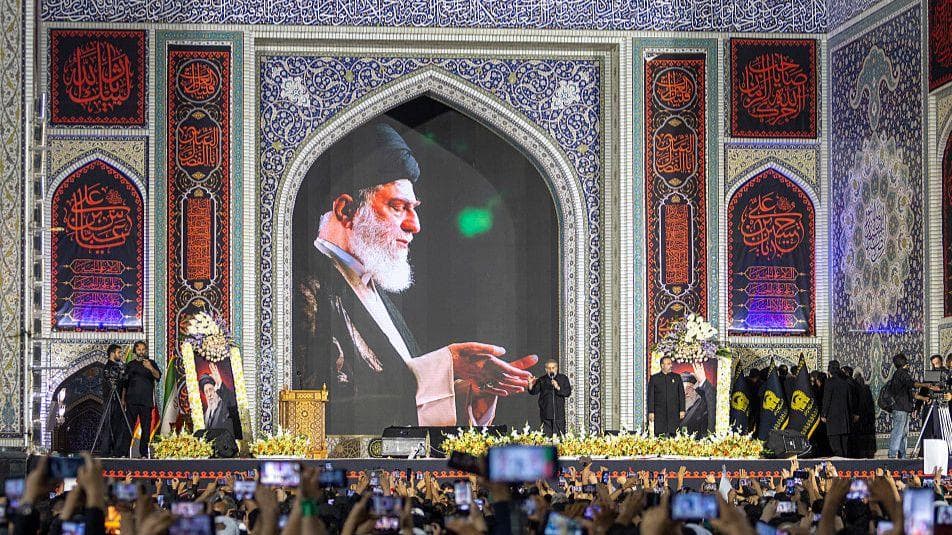
U.S.-Iran skirmishes raise fears for fragile peace talks
U.S. airstrikes and Iranian retaliation across Bahrain, Kuwait and Qatar have thrown fragile peace talks back into doubt.

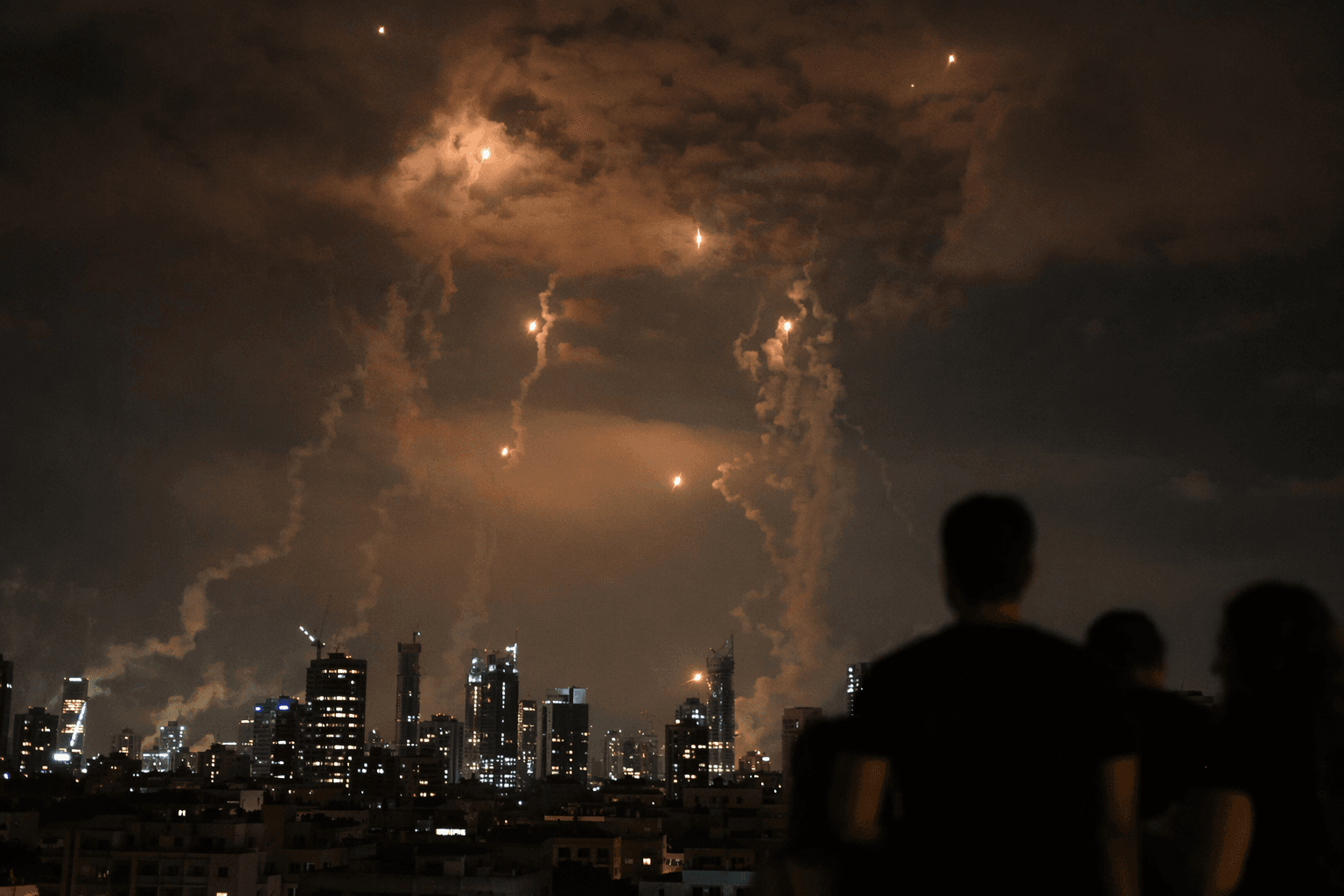
U.S. airstrikes against Iran early Thursday and Tehran’s retaliatory fire toward Bahrain, Kuwait and Qatar jolted an interim cease-fire that was already under strain, raising the risk that a brief flare-up could turn into a wider breakdown in diplomacy. The new exchange came as American officials said they were trying to protect shipping in the Strait of Hormuz, the narrow waterway that remains central to any deal that would keep the fighting from spreading.
The latest violence followed a round of indirect U.S.-Iran talks in Doha on July 1 that ended with no sign of progress toward a lasting peace. Those discussions focused on the Strait of Hormuz and on unfreezing Iranian funds, two issues negotiators had said were already settled when an interim agreement was announced two weeks earlier, a reminder that even active talks can leave the core disputes untouched.
What matters now is whether the fighting stays contained or begins to widen through troop movements, proxy attacks and harder language from both capitals. A sustained buildup around the Gulf, a fresh surge in militia activity, or a breakdown in public messaging would signal that the clash is no longer a temporary jolt but a deeper collapse in the cease-fire architecture. The opposite would also be telling: if Washington and Tehran keep talking after the strikes, the diplomacy may still have room to breathe. That judgment is an inference from the latest cross-border attacks and the continued negotiating track, not a settled outcome.
The dispute is unfolding against a crowded U.S. political calendar that could quickly pull foreign policy into domestic debate. AP’s 2026 election calendar lists a Texas special election on July 21 and Georgia runoffs on July 28, while its midterm coverage says Democrats need to flip four Senate seats to regain control and that around one-third of the Senate and all of the House are on the ballot. AP also noted that California’s June 16 special primary in the 14th Congressional District sent the race to an August special general after no candidate won a majority, and that Utah primaries were held in new districts after court-ordered redistricting.
This article was produced by Prism’s automated news system from verified source data, official records, and press releases, then run through automated quality and moderation checks before publishing. The system is built and supervised by the people who set the standards it runs under. Read our full AI policy.
Did this article answer your question?