US-Iran strikes escalate, threatening fragile ceasefire and Hormuz reopening
U.S. strikes and Iranian retaliation have tested a 60-day truce, after a tanker attack near Hormuz forced a U.N. maritime pause and sent oil prices swinging.
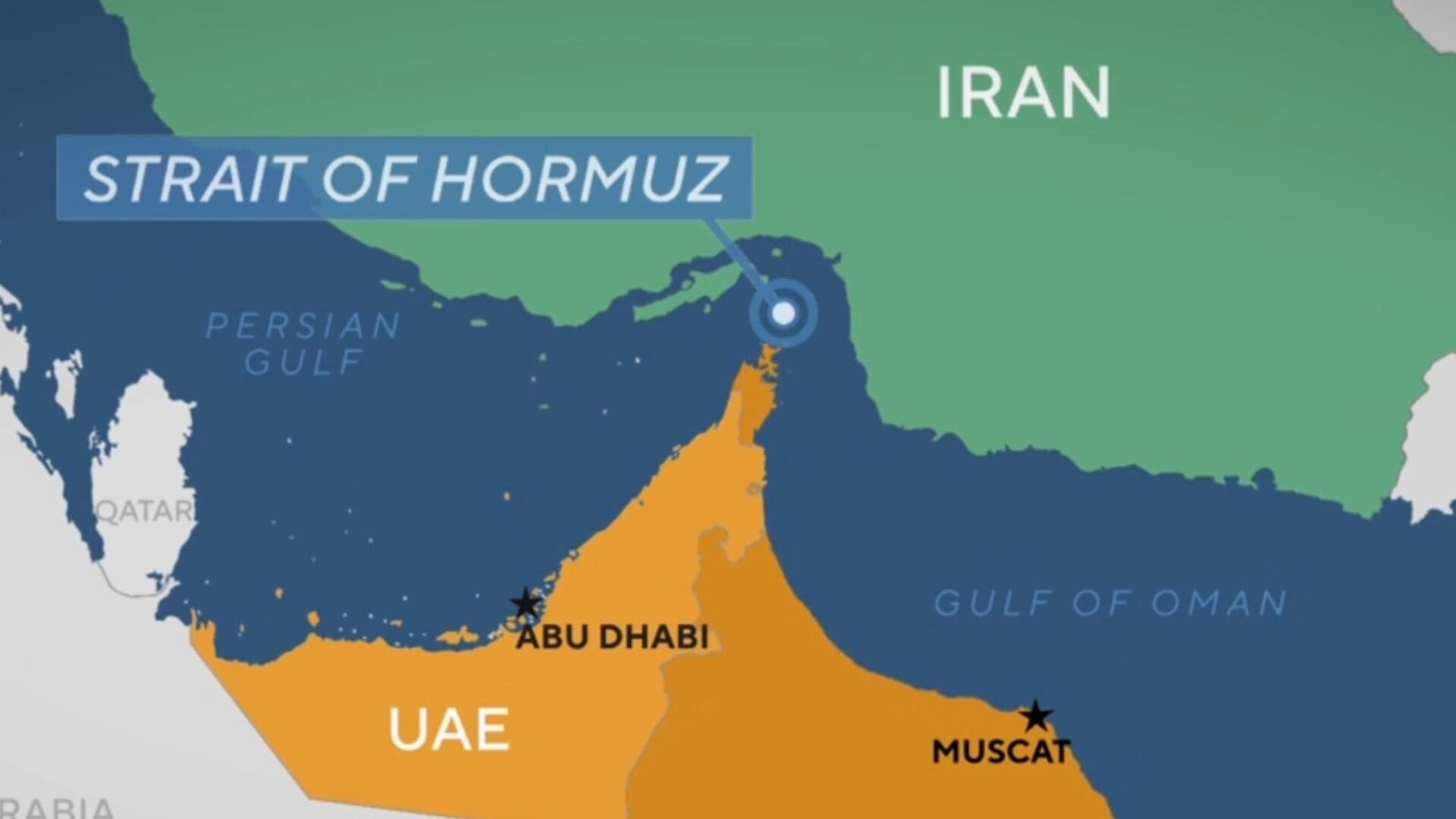
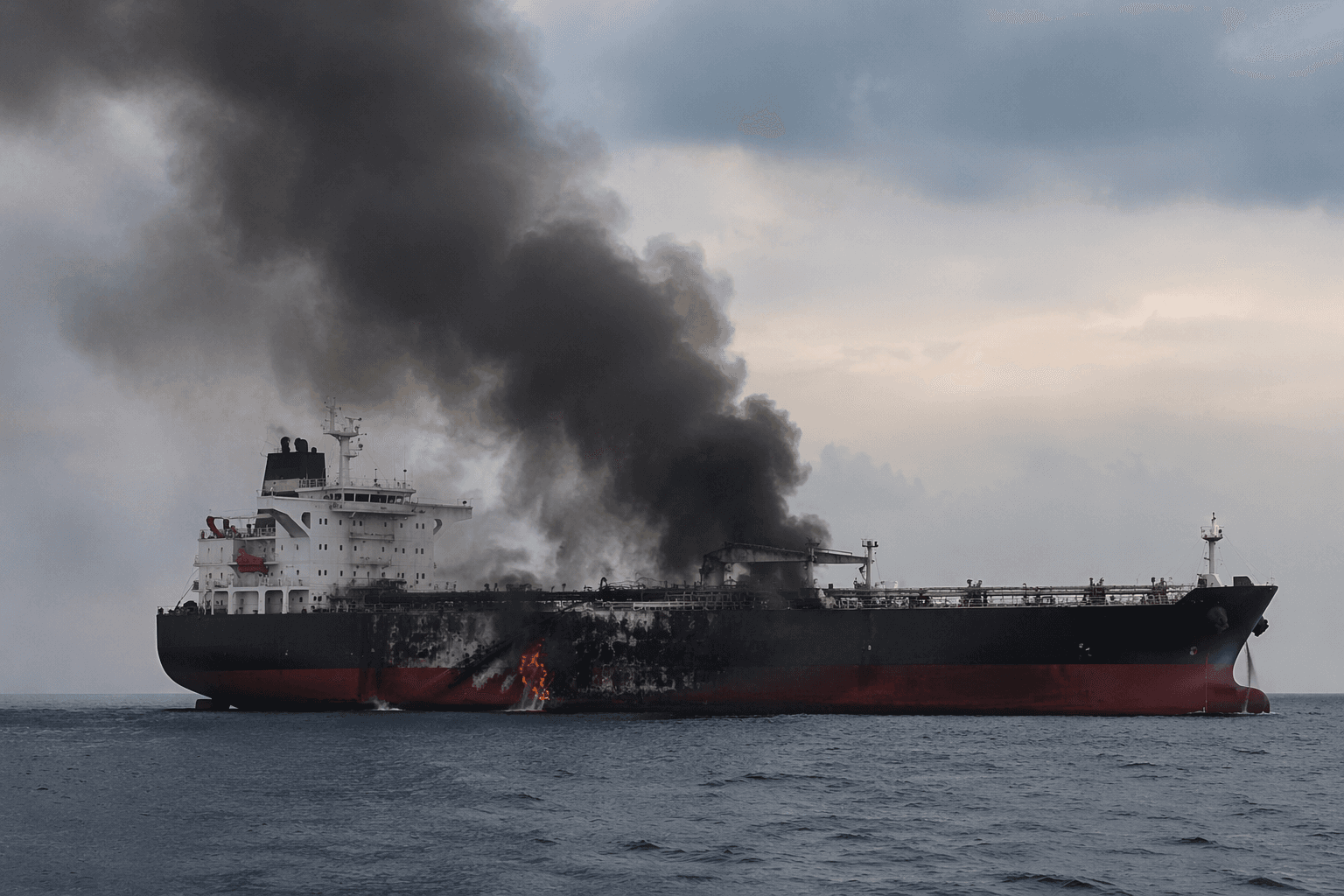
U.S. strikes on Iranian targets followed a June 25 attack on a cargo vessel near Oman, and the retaliation on Gulf bases one day later pushed a fragile interim peace agreement toward collapse. The ceasefire was only reached last week after weeks of diplomacy led by Qatar and Pakistan, and it carried a reported 60-day roadmap toward a final deal and the reopening of the Strait of Hormuz.
The vessel attack in the strait exposed the deal’s most vulnerable point. The waterway sits at the center of the agreement because reopening it was part of the broader framework, alongside further technical talks meant to turn the truce into a lasting settlement. After the cargo ship was hit near Oman, a U.N. maritime agency paused evacuation and escort operations for ships moving through the area, a sign that the agreement had already started to strain under its first major test.
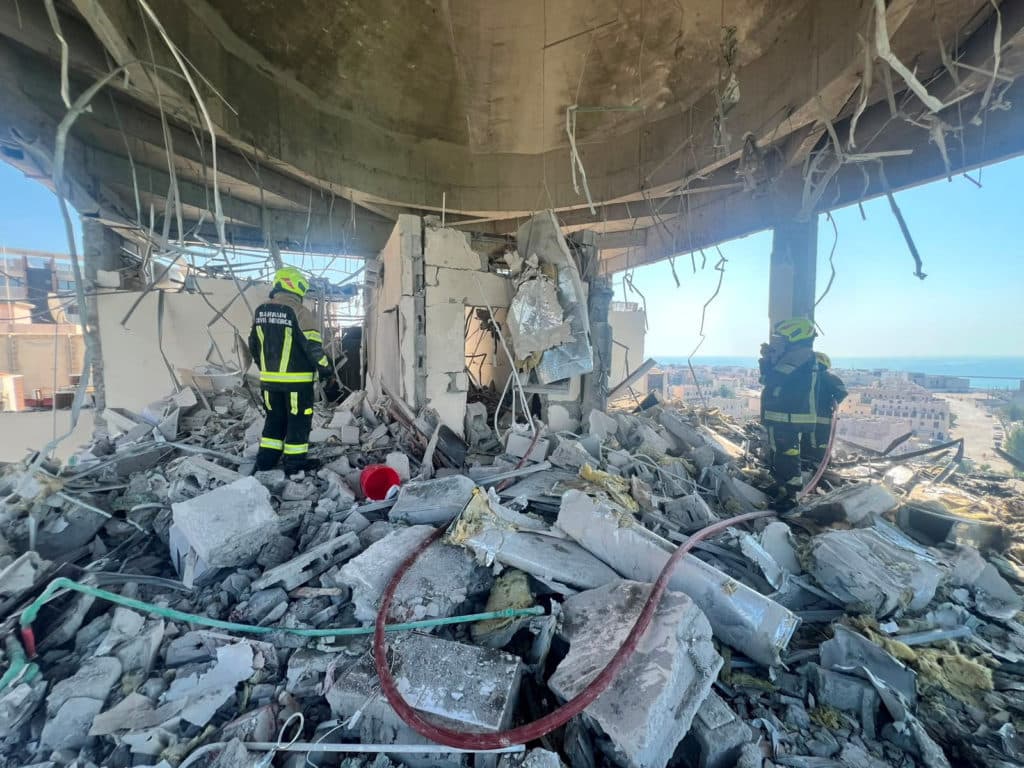
The latest exchange widened that strain into direct military retaliation. Iran’s Revolutionary Guard claimed responsibility for strikes on U.S. military sites in Kuwait and Bahrain on June 28. Kuwait said its air defenses intercepted drones and missiles, while Bahrain said a residential building in Muharraq was damaged and no one was killed. A U.S. official said no Iranian drones or missiles launched at U.S. assets in Bahrain and Kuwait reached their targets, and there were no U.S. injuries.
The escalation has also carried a clear market signal. U.S. crude fell below $70 a barrel and Brent also slipped as traders judged that tanker traffic through Hormuz could still continue, at least for now, even as the fighting raised the risk to global energy flows. That reaction underscores the leverage each side still holds: Iran can threaten shipping lanes that carry a large share of the world’s oil, while the United States can answer with strikes on Iranian targets and pressure around its bases in the Gulf.
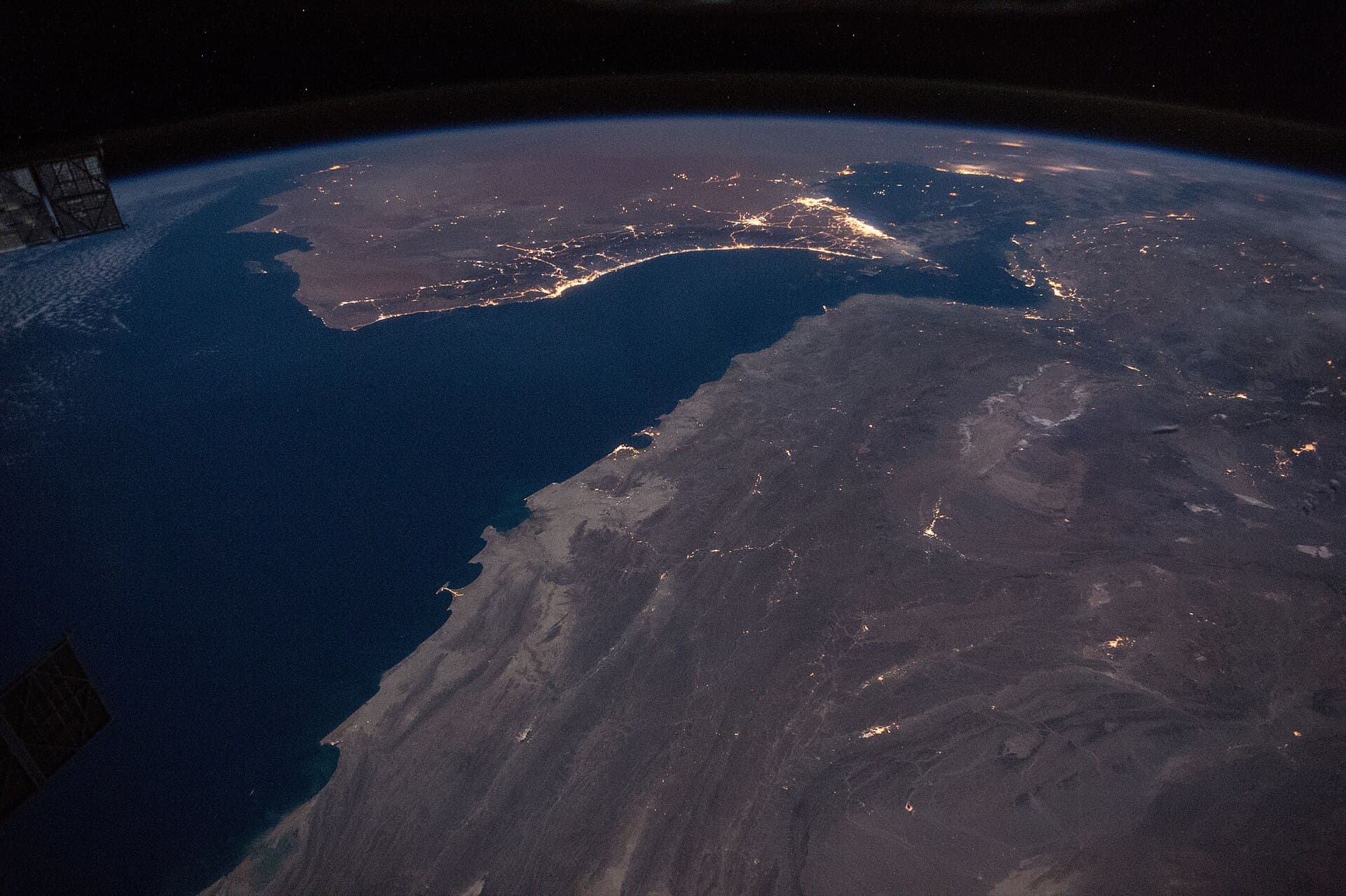
The broader question is whether the interim peace agreement had enough substance to survive the first shooting. The terms around Hormuz reopening and follow-on talks suggested a working truce rather than a settled peace, and the attacks on shipping and military sites have now crossed the two red lines most likely to unravel it.
This article was produced by Prism’s automated news system from verified source data, official records, and press releases, then run through automated quality and moderation checks before publishing. The system is built and supervised by the people who set the standards it runs under. Read our full AI policy.
Did this article answer your question?