U.S.-Iran strikes intensify as Strait of Hormuz standoff rattles oil markets
U.S. and Iranian strikes widened across the Gulf as oil prices climbed and the Strait of Hormuz standoff deepened. Tehran said the peace deal had entered a crisis phase.
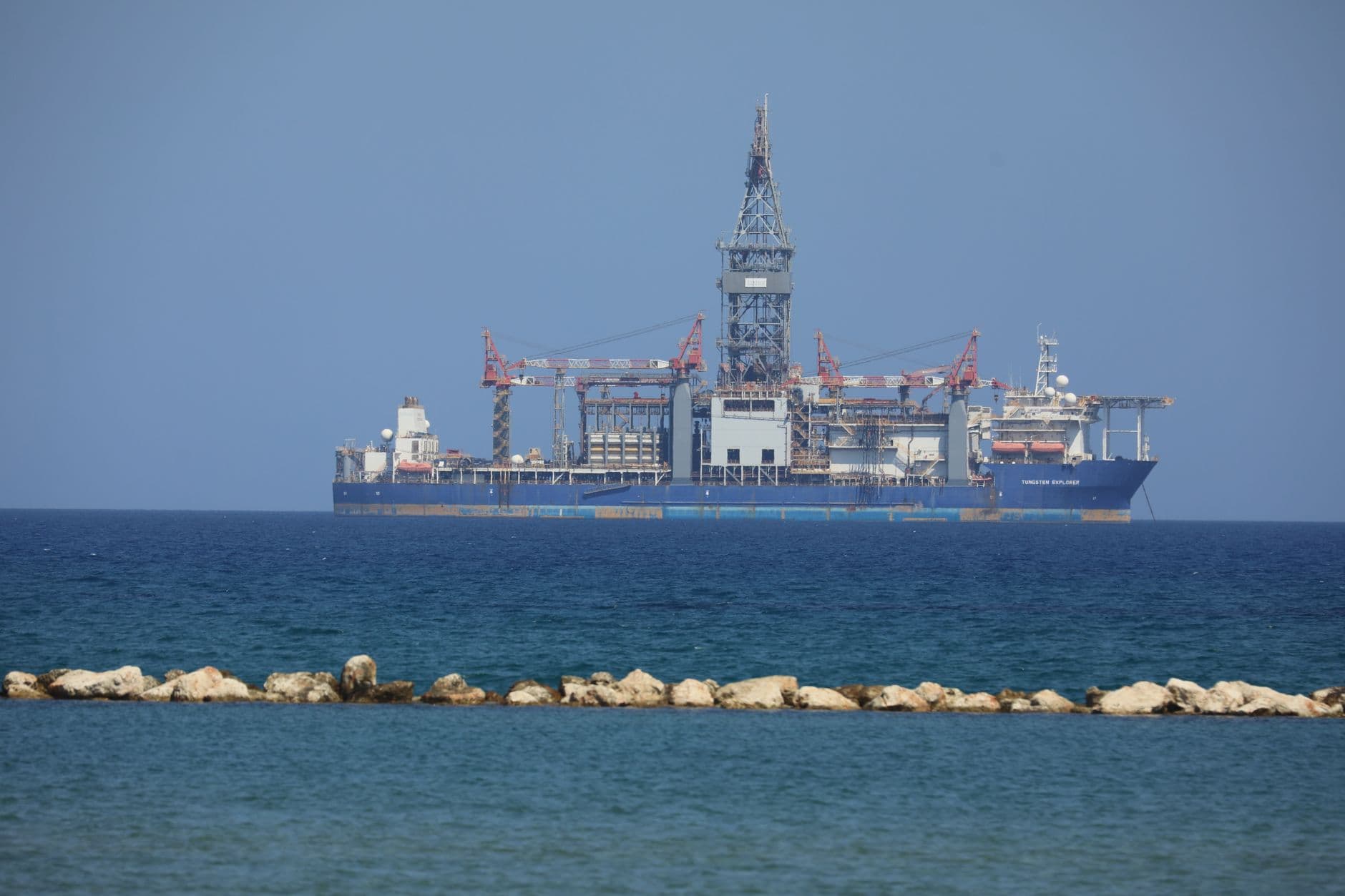
American forces hit dozens of targets at multiple locations and used one-way attack sea drones for the first time, while Iran answered with strikes on U.S. military facilities in Bahrain, Kuwait, Jordan, Oman and Qatar. The exchange pushed the Strait of Hormuz, which CNBC said handles about 20% of the world’s oil traffic, to the center of a widening crisis as oil prices rose Monday.
The fighting has now overtaken the fragile diplomacy that briefly pointed toward restraint. On June 25 in Manama, U.S. and Gulf Cooperation Council ministers welcomed a June 17 memorandum of understanding between the United States and Iran, called for reopening the Strait of Hormuz, and rejected tolls, fees or any attempt to assert control over the waterway. The latest escalation has torn through that framework and raised the risk that the deal Tehran described as entering a crisis phase will not survive the next exchange.
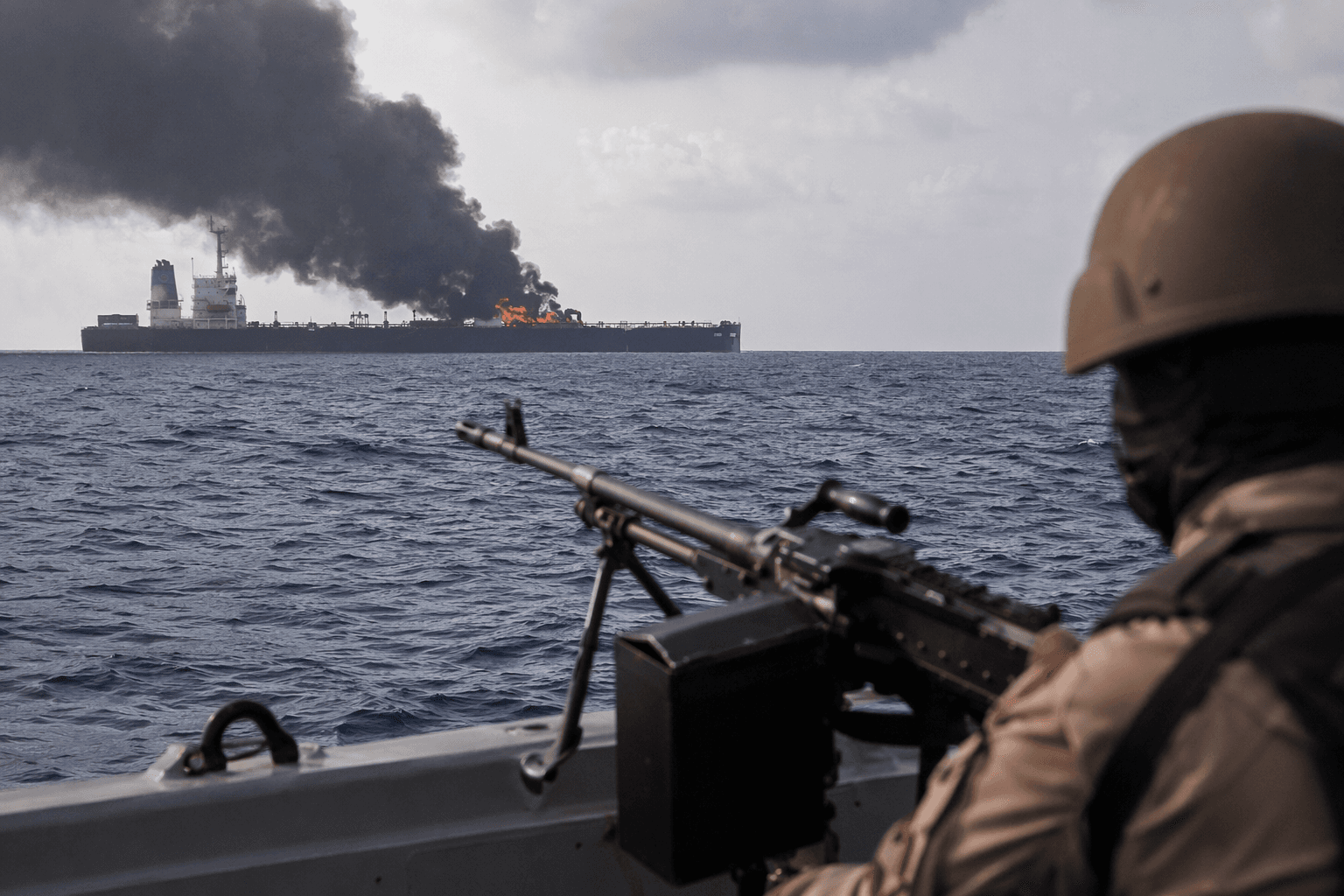
Washington had already moved to harden the maritime front. On May 5, the State Department said the United States and Gulf partners had drafted a United Nations Security Council resolution to defend freedom of navigation in the Strait of Hormuz and require Iran to stop attacks, mining and tolling. Three weeks later, on May 28, it said it was sanctioning entities and vessels tied to Iran’s shadow oil economy, saying tens of millions of barrels of Iranian oil worth billions of dollars had moved through the network.
The human toll has spread far beyond the missile strikes. On June 23, the International Maritime Organization launched an evacuation plan for more than 11,000 seafarers stranded in the region and said it was coordinating with Iran, Oman, other coastal states, the United States and the maritime industry. Its Strait of Hormuz page says the agency is working to evacuate around 6,000 seafarers and that the evacuation plan is paused. On July 8, the IMO said it had confirmed 21 attacks on commercial ships since Feb. 28, with 10 seafarer fatalities and several injured.
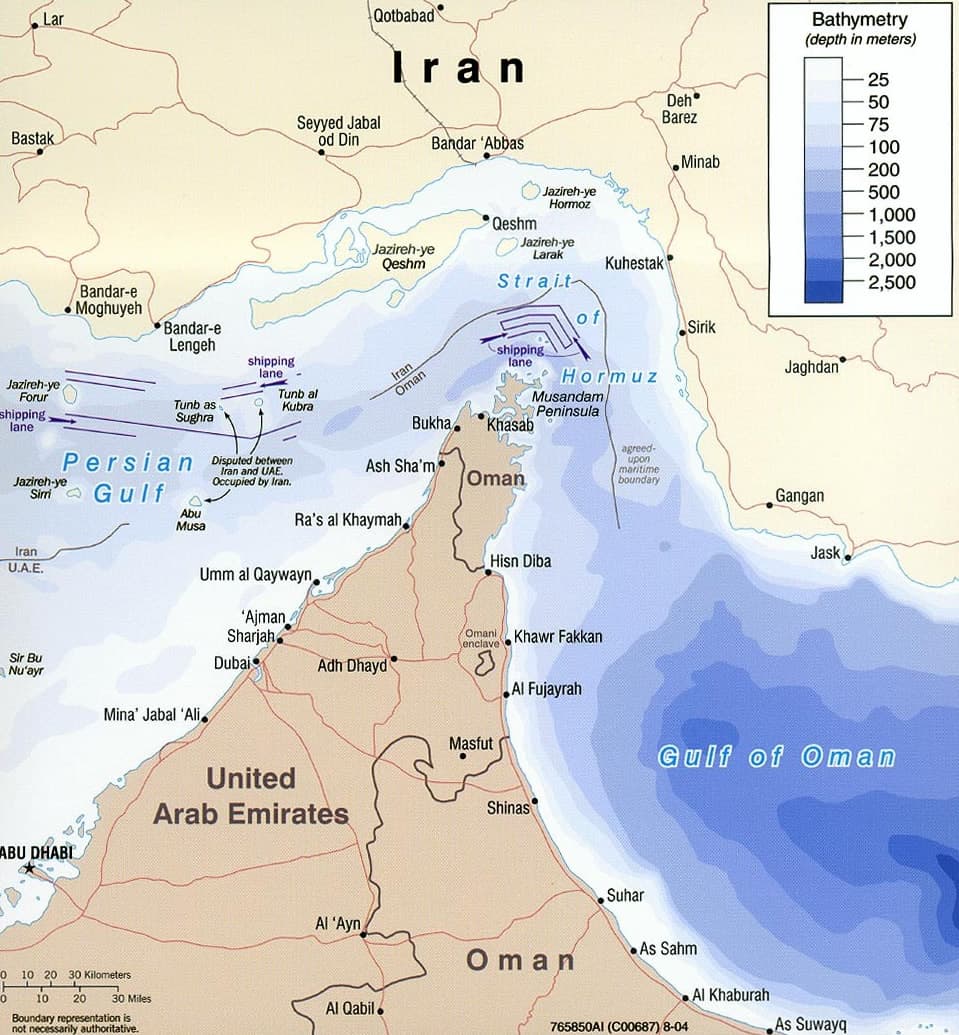
The latest strikes may deliver tactical blows, but they have not restored deterrence. Instead, they have made the Strait of Hormuz a live contest over shipping, sovereignty and energy security, with Gulf states, global markets and U.S. forces all exposed to the next miscalculation.
This article was produced by Prism’s automated news system from verified source data, official records, and press releases, then run through automated quality and moderation checks before publishing. The system is built and supervised by the people who set the standards it runs under. Read our full AI policy.
Did this article answer your question?