U.S.-Iran talks face chaos as oil lifeline sparks new questions
A last-minute oil opening could revive Iran’s exports, but canceled signings, split messaging and a 60%-enriched uranium stockpile made any deal look fragile.
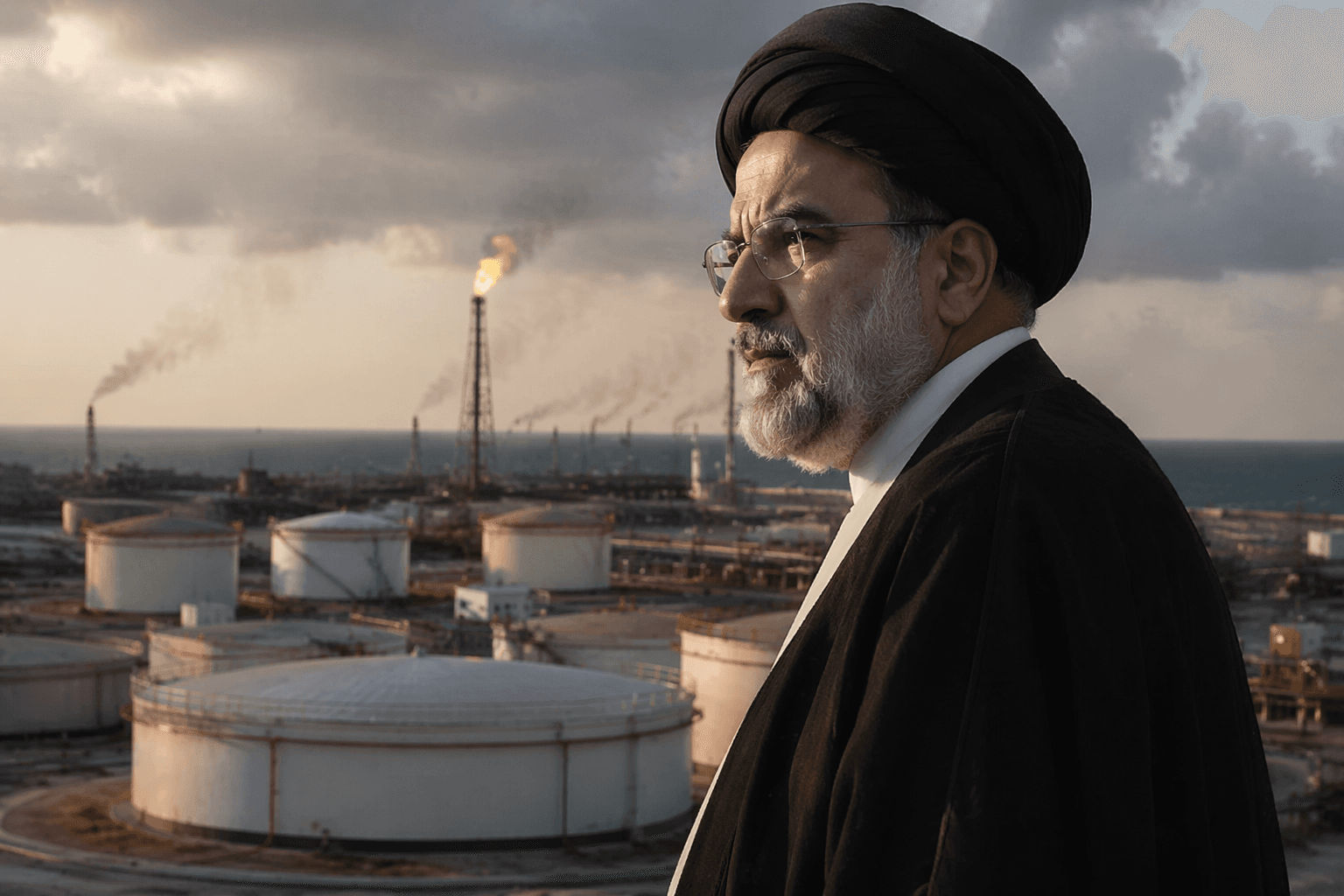
Negotiations between the United States and Iran entered their most precarious phase with a preliminary deal that promised immediate oil sales for Tehran but left the hardest nuclear questions unresolved. The confusion that followed a memorandum of understanding brokered last weekend was not just procedural noise. It exposed how little trust remains after years of sanctions, missile attacks, naval blockades and war.
Under the reported framework, Iran would be allowed to resume oil exports right away, with waivers covering banking, shipping and insurance tied to those sales. The U.S.-imposed naval blockade of Iranian ports would also be lifted. That would give Iran an immediate economic lifeline at a moment when its currency has been collapsing and inflation has battered households and businesses across the country.
The scale of that opening matters because Iran’s oil sector has already shown it can recover some ground even under pressure. The U.S. Energy Information Administration said Iran’s crude output rose by about 1 million barrels per day from 2020 to 2023 despite sanctions, and it has estimated that if all oil sanctions were lifted, Iran could eventually return to about 3.8 million barrels per day of crude capacity. But analysts and energy officials have also made clear that paper permission does not instantly restore tankers, insurers, bank channels or foreign customers.
That gap between announcement and reality is where the current talks are most vulnerable. Reporting has described canceled or altered signing plans, unclear next steps and conflicting public signals from Washington and Tehran about what was agreed and what was still under discussion. The nuclear file was pushed to later talks, even as the International Atomic Energy Agency warned in June 2026 that it could not fully verify key aspects of Iran’s nuclear activities. Outside analysis cited in reporting put Iran’s stockpile at about 440.9 kg of uranium enriched to up to 60% U-235, a level far above civilian needs.
The political fallout was immediate. Reuters reporting said lawmakers in Congress had not seen the text of the agreement, feeding skepticism from Republicans and Democrats alike. JD Vance defended the deal publicly and criticized Israeli objections, while Israel reacted with fury, calling it a “catastrophic capitulation” because it left missiles and drones untouched and did not meet wartime objectives. European governments, by contrast, signaled that sanctions relief could follow if Iran takes further steps on its nuclear program.
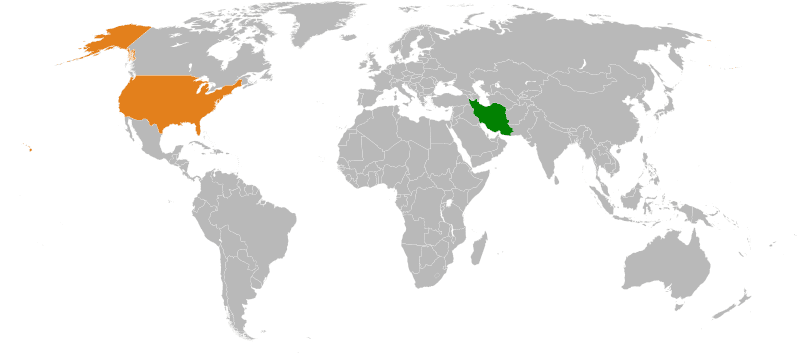
The Strait of Hormuz remains a central pressure point, because any renewed confrontation there would threaten a route that carries a major share of global oil flows. Markets briefly welcomed the truce, with oil prices falling and global equities rising, but the deal’s first test is not whether it can calm headlines. It is whether Washington and Tehran can keep talking long enough to prevent the chaos around them from becoming the reason diplomacy fails.
This article was produced by Prism’s automated news system from verified source data, official records, and press releases, then run through automated quality and moderation checks before publishing. The system is built and supervised by the people who set the standards it runs under. Read our full AI policy.
Know something we missed? Have a correction or additional information?
Submit a Tip