U.S.-Iran talks in Islamabad end without agreement after 21 hours
After 21 hours in Islamabad, J.D. Vance left without a deal, pushing Washington toward harder choices as the ceasefire clock and Hormuz deadline tick.

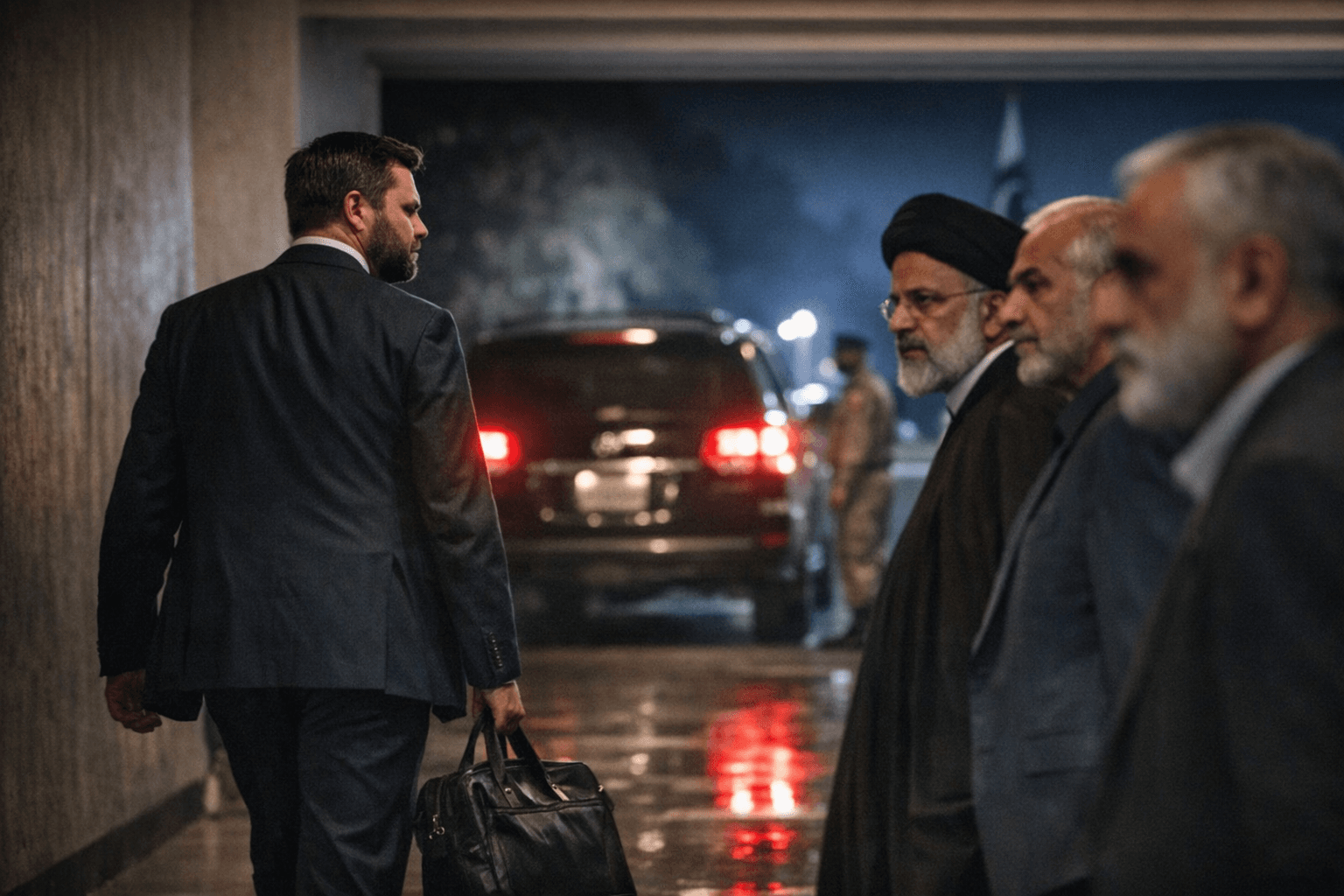
After 21 hours of face-to-face talks in Islamabad, J.D. Vance left without an agreement, a failure that turns diplomacy into a choice among bad options rather than a clean exit. Vance said early April 12 that the two sides had held marathon meetings but, "we have not reached an agreement."
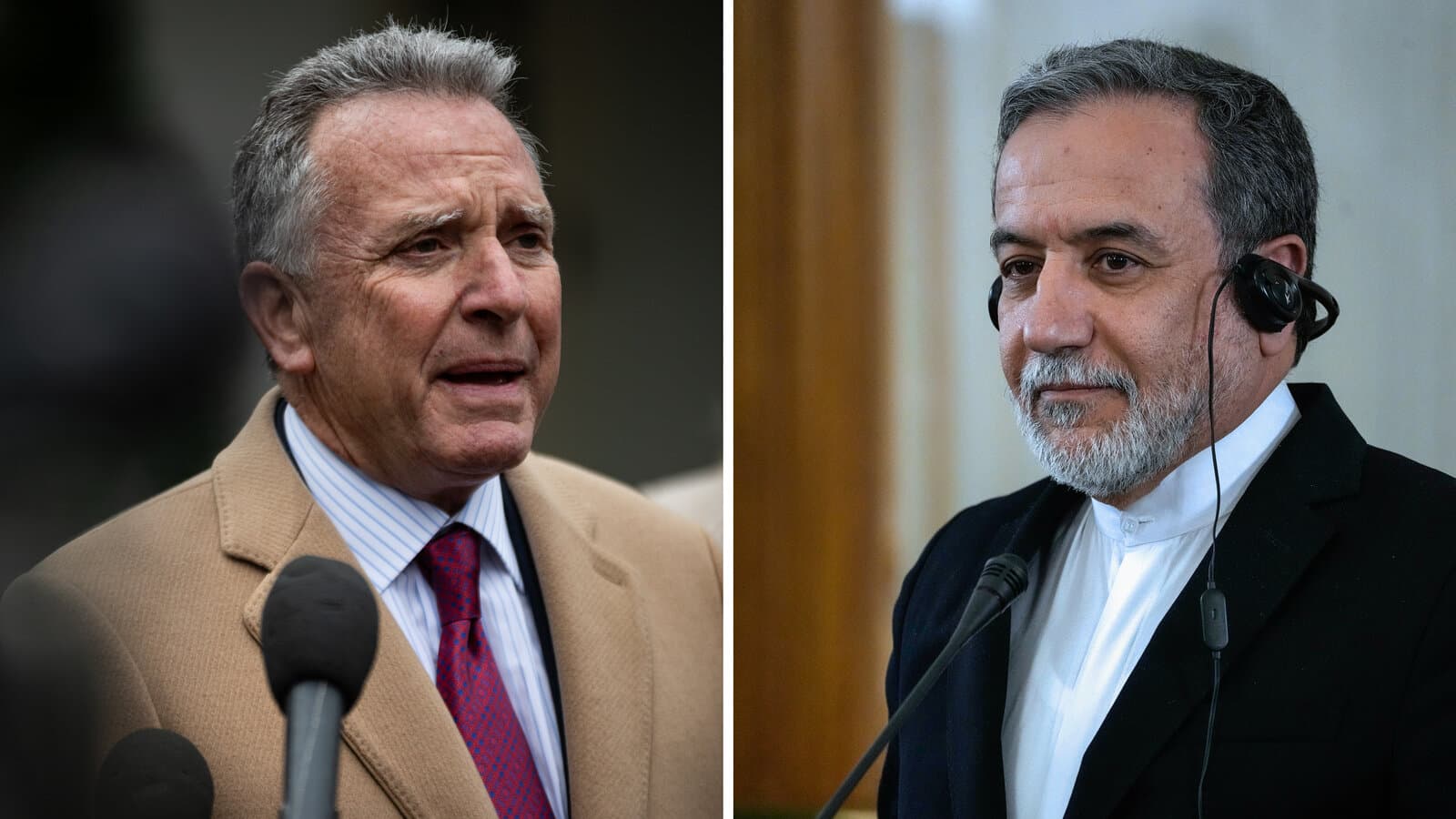
The talks, hosted by Pakistan and mediated by Prime Minister Shehbaz Sharif’s government and military leadership, were the highest-level direct U.S.-Iran negotiations since the 1979 Islamic Revolution. The U.S. delegation was led by Vance and included Special Envoy Steve Witkoff and Jared Kushner. Iran sent Parliament Speaker Mohammad Bagher Ghalibaf and Foreign Minister Abbas Araghchi. The immediate objective was to preserve a fragile two-week ceasefire announced April 7 and 8, while pushing toward a broader settlement on Iran’s nuclear program, the Strait of Hormuz, missile limits and wider regional violence.
The central break point was Washington’s demand for an affirmative commitment that Iran would not seek a nuclear weapon. U.S. officials said Tehran would not give that pledge. Iranian officials said the talks were intensive, that they had made some progress, and that the sides still stood apart on "two or three important issues." Tehran also cast the U.S. terms as excessive and unlawful, underscoring how far apart the two capitals remain even after a session that stretched through the night.
That leaves the Trump administration with a short list of unattractive choices. One path is to keep talking, using Pakistan and backchannels to try to bridge the gap before the ceasefire window closes around April 22. That would preserve the possibility of a deal, but it also risks letting the truce expire without any breakthrough, which would expose the administration to charges of drift while the region remains on edge.
Another path is coercion, from tighter sanctions to renewed military pressure. That option may appeal to hawks in Washington, but it carries the heaviest human cost. More strikes would likely mean more deaths, more disruption across the region and more volatility for civilians already living with war. Markets have already shown how quickly the conflict can move beyond the battlefield: when the ceasefire was announced, WTI crude fell roughly 16 percent to about $94.41 and Brent slumped sharply, a reminder that the Strait of Hormuz is not just a bargaining chip but a pressure point for fuel prices, shipping and household budgets far beyond the Gulf.
A third option is to accept a prolonged standoff, keeping the ceasefire alive without a final settlement. That may delay the next crisis, but it also preserves the threat of renewed escalation, with Pakistan trying to keep channels open and Washington still facing the same question it did in Islamabad: whether to negotiate deeper, squeeze harder or prepare for the consequences of deadlock.
Sources:
Know something we missed? Have a correction or additional information?
Submit a Tip