US-Iran talks keep hope of nuclear deal alive, markets rally
Oil and stocks priced in a breakthrough after tense U.S.-Iran talks, even as the Strait of Hormuz and enrichment terms kept the deal fragile.
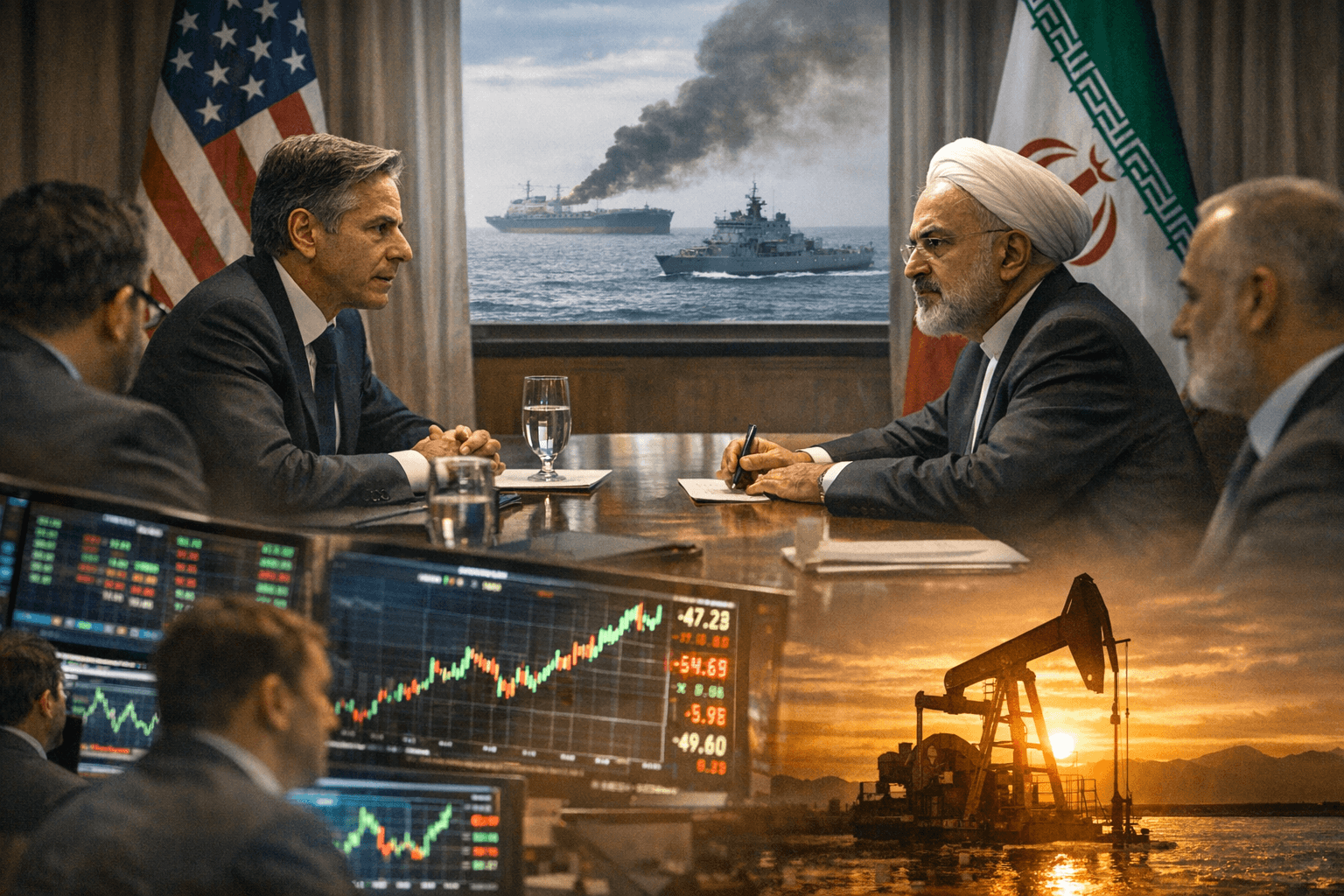
Investors rushed toward a peace trade on Monday, sending Asian stocks higher while oil and the dollar fell, after Washington and Tehran kept talking despite a tense round of negotiations in Islamabad that ended without a breakthrough. The market response reflected a bet that the two sides still had room to strike a nuclear understanding, but it also underscored how much is hanging on a narrow diplomatic path.
The Islamabad meeting lasted more than 20 hours and was the first direct encounter between U.S. and Iranian officials in more than a decade, the most senior engagement between the two governments since Iran’s 1979 Islamic Revolution. Vice President JD Vance led the U.S. delegation, while Mohammad Baqer Qalibaf was among the Iranian participants. Eleven sources said dialogue remained alive after the talks ended, even though the sides remained divided over Iran’s nuclear program, sanctions relief and the Strait of Hormuz.
The main unresolved issue was the scale and length of a uranium-enrichment pause. Iran reportedly proposed suspending enrichment for up to five years, while the Trump administration wanted a 20-year suspension and has said it will not accept any arrangement that gives Tehran a path to a nuclear weapon. Donald Trump said Iran wants to make a deal and that Washington continued to engage Tehran, even as the U.S. military began a blockade of Iranian ports after the weekend talks failed.
Markets moved quickly on the possibility of de-escalation. Brent crude fell nearly 3% and U.S. crude dropped around 3% on April 14, while the safe-haven dollar weakened to a 1 1/2-month low. Tokyo’s Nikkei 225 rose 2.4% to 57,877.39 and South Korea’s Kospi jumped 2.7% to 5,967.75. Hong Kong, Shanghai, Australia and Taiwan also gained, a sign that traders were leaning into relief rather than conflict after oil had touched nearly $104 the previous day before easing again.
That optimism rests on a precarious foundation. The Strait of Hormuz remains one of the world’s most important energy chokepoints, and the Dallas Federal Reserve has said a full closure would remove close to 20% of global oil supplies from the market, about 80% of it shipped to Asia. UN Trade and Development said traffic through the strait fell from about 130 transits a day in February to just six in March, a 95% drop, warning that higher fuel costs are feeding inflation, raising transport costs and worsening financial stress in developing countries. For now, markets are pricing hope faster than proof, and the next headline could still send oil, stocks and business confidence sharply the other way.
This article was produced by Prism’s automated news system from verified source data, official records, and press releases, then run through automated quality and moderation checks before publishing. The system is built and supervised by the people who set the standards it runs under. Read our full AI policy.
Did this article answer your question?

